
Last updated November 14, 2026
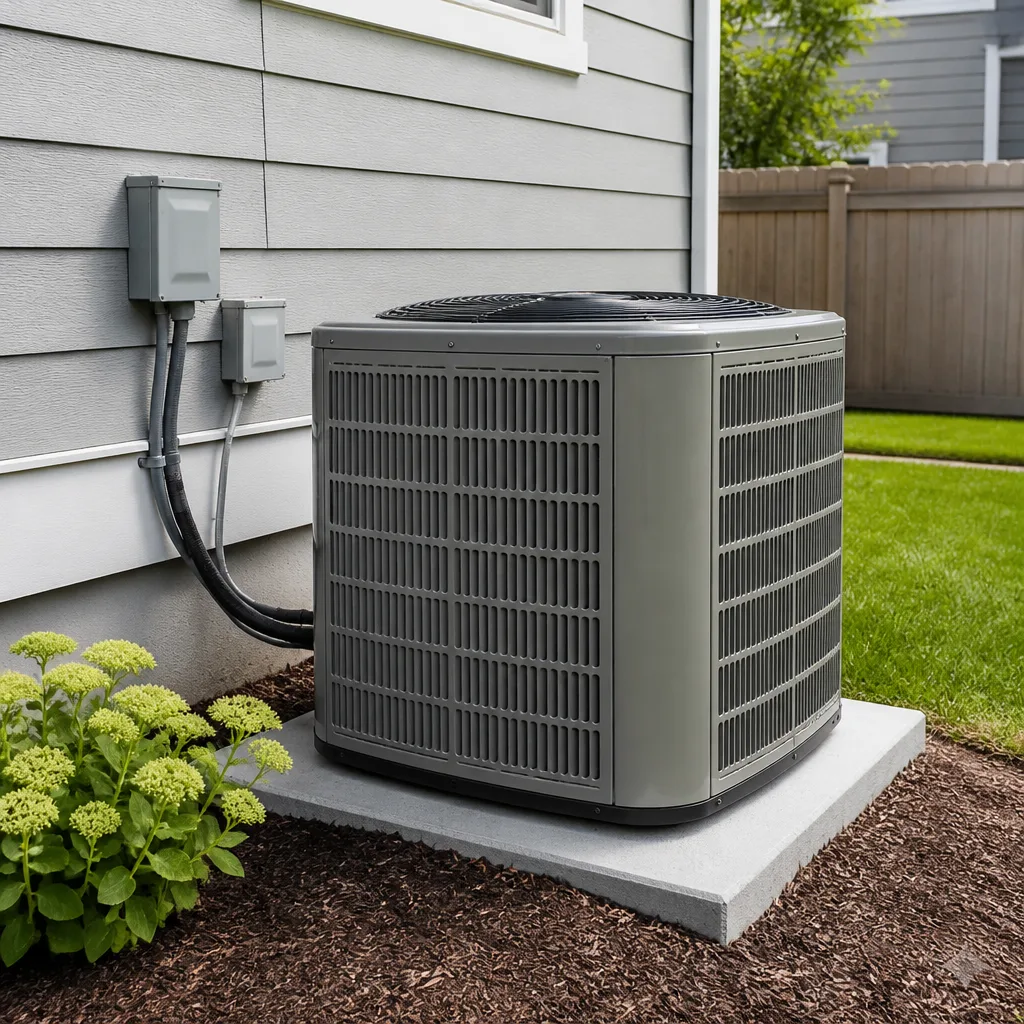 AC repair
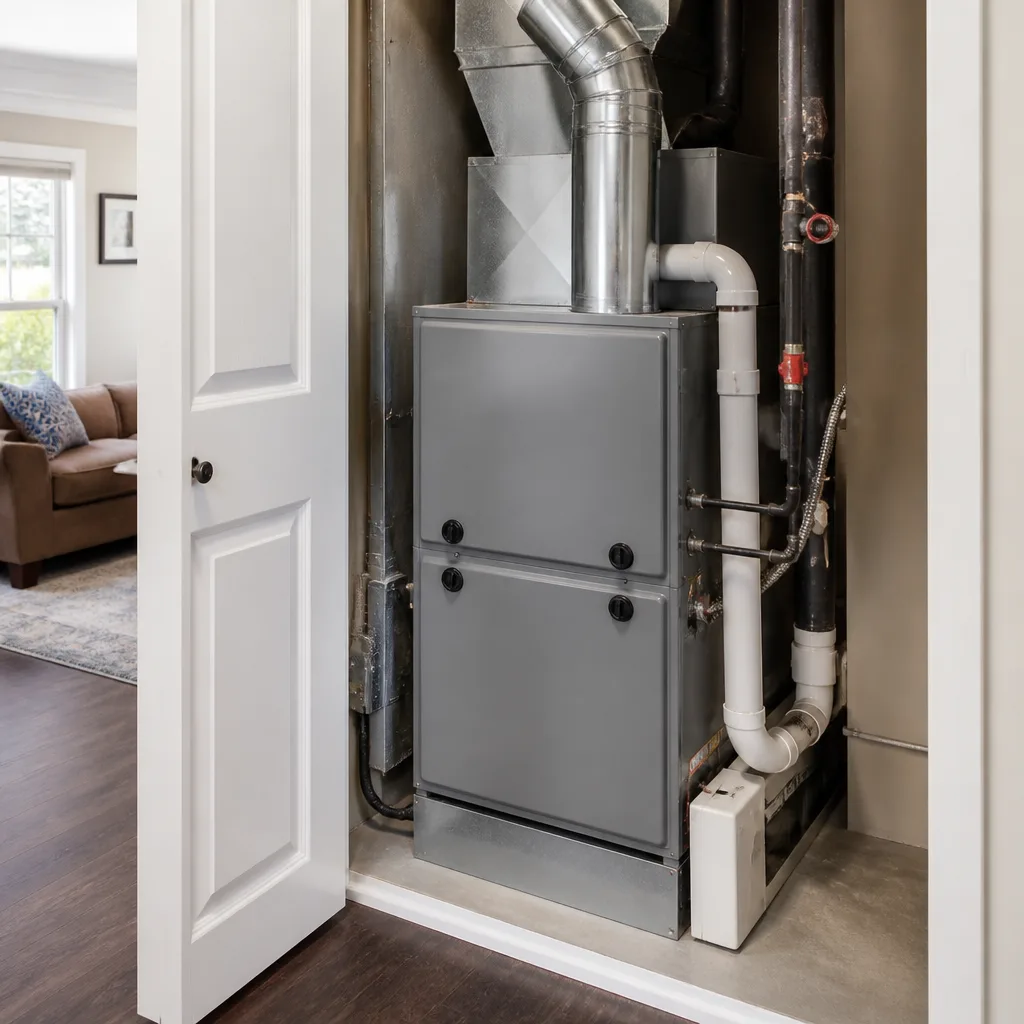 Furnace & heating
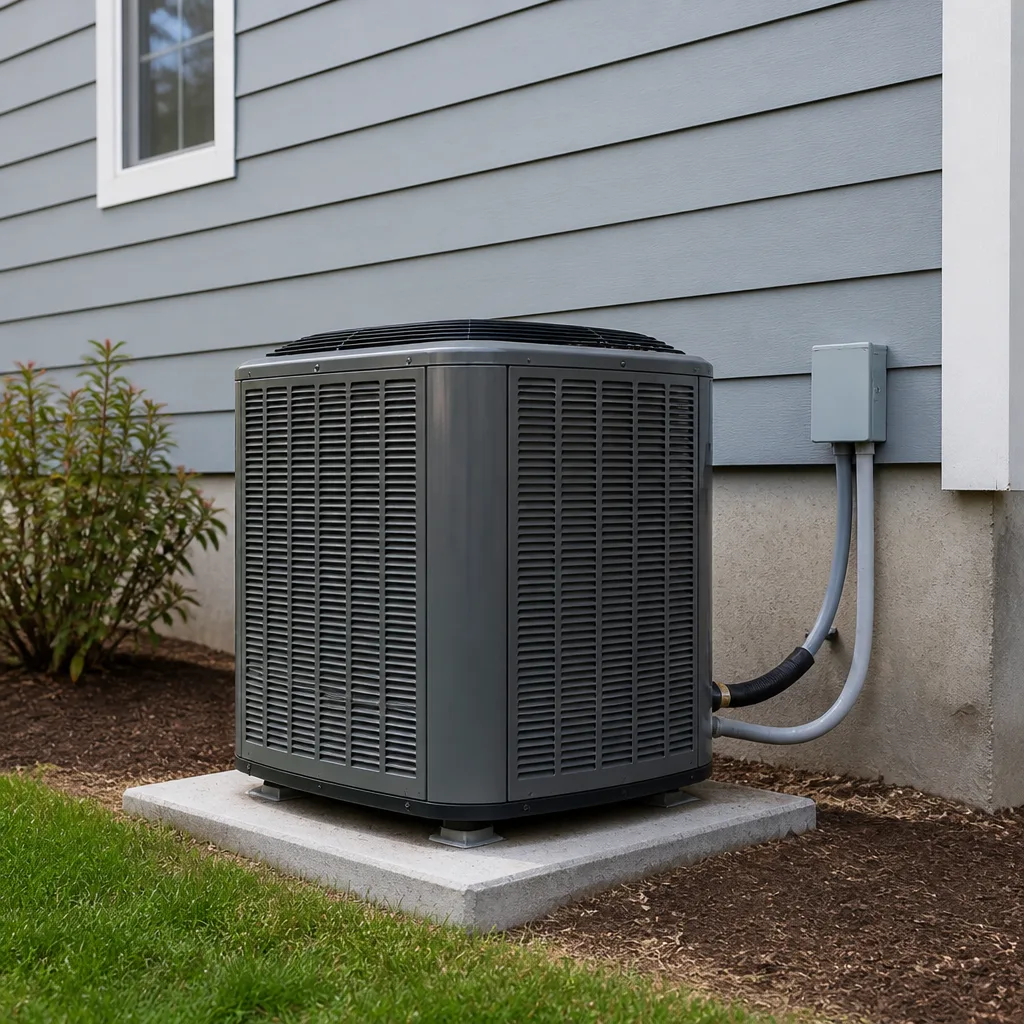 Heat pumps
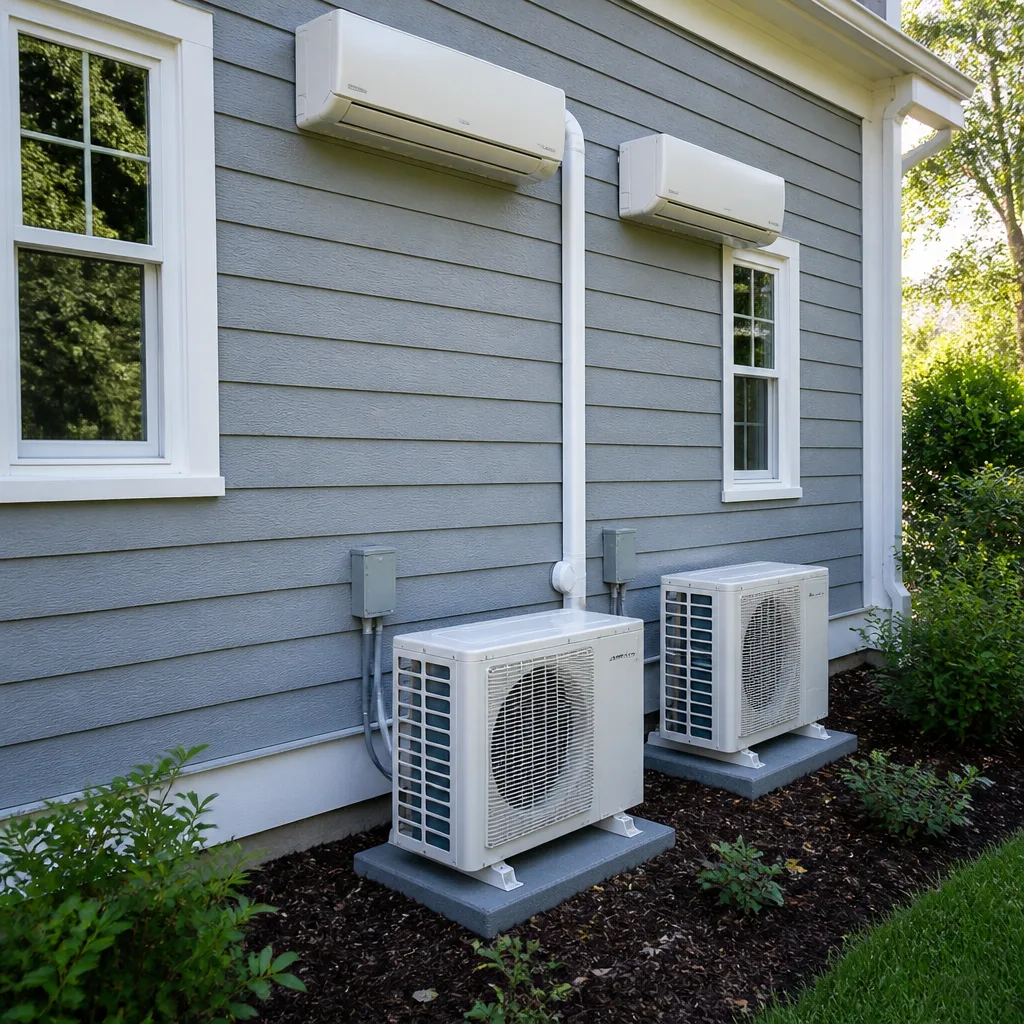 Ductless mini splits
 Carrier
 Trane
 Goodman
Seasonal tune-up and full diagnostic on your Carrier, Trane, or Goodman system - readings shown to you before any repair is proposed
Diagnosis first, numbers second - you approve the repair price before a single part goes in.
Get your free estimateHVAC Permits, Codes & Inspections in Plano, TX: What You Need to Know
Most Plano homeowners assume their HVAC contractor handles everything, including permits. That assumption is where trouble starts. A cooling system installed without the required permit doesn’t fail on the day it’s switched on. It fails quietly, years later, on a real estate inspection report or an insurance claim review. In this guide, we’ll walk through exactly which HVAC work in Plano needs a permit and which doesn’t, what the inspection actually checks, how the Texas energy code shapes the equipment you can install, and how to pull the paperwork that proves the job was done right. Whether you’re replacing a system or just weighing a repair, this is the reference we wish every Plano homeowner had before signing a work order.
Quick Answer
In Plano, HVAC permits are generally required for new installations, full system replacements, and any work that modifies ductwork, refrigerant lines, or electrical connections to the equipment. A permit is typically pulled by the licensed contractor performing the work, not the homeowner. A passing final inspection produces a record you should keep, because insurers and future buyers may ask for it during a claim or a sale.
Styles & brands we work with
- AC repair
- Furnace & heating
- Heat pumps
- Ductless mini splits
- Carrier
- Trane
- Goodman
Table of Contents
- When Does HVAC Work Require a Permit in Plano?
- Like-for-Like Replacement vs. System Modification
- Who Pulls the Permit: Homeowner vs. Contractor
- What a Plano HVAC Inspection Actually Checks
- Texas Energy Code and SEER Minimums for New Equipment
- How to Verify a Completed Permit and Get the Final Record
- Common Mistakes to Avoid
- When to Call a Professional
When Does HVAC Work Require a Permit in Plano?
In general, any HVAC work that changes the system’s capacity, layout, or connection to the home’s electrical or structural components requires a permit in Plano. That covers new installations, full replacements, duct modifications, and anything that alters how a unit is wired or how condensate drains out of the home. Simple component swaps like a thermostat or a capacitor typically do not require one.
The threshold matters because permit requirements sit with the City of Plano’s building department, and contractors working within Collin County generally need to follow the same baseline. If you’re unsure whether your job crosses the line, ask the contractor to confirm in writing before work begins. A reputable technician will tell you plainly rather than wave the question off.
Work that usually requires a permit
- Full system replacement, whether it’s a straight swap or a capacity change
- New AC or furnace installation, including a first-time install where none existed
- Ductwork changes, additions, or reroutes affecting airflow balance
- Refrigerant line replacement or rerouting that alters the equipment location
- Electrical disconnects, dedicated circuits, or control wiring that touches the home’s panel
- Relocating equipment, such as moving a condenser from one side of the house to another
Work that usually does not
- Replacing a thermostat with a like-for-like model
- Swapping a filter, contactor, capacitor, or blower motor
- Cleaning coils or performing routine maintenance
- Clearing a condensate line clog
These lists are a guide, not a substitute for a permit office determination. Local rules shift, and what counts as “like-for-like” can vary with the specific change. When in doubt, ask your city’s building department to confirm. That single phone call saves far more trouble than it costs.
The climate here makes this more than administrative. Plano summers push systems hard for months, and a replacement sized or wired incorrectly will run long cycles in the heat, shortening equipment life. The permit and inspection process is the check that catches those problems before they become repair bills.
Like-for-Like Replacement vs. System Modification
The clearest dividing line in Plano HVAC permitting is between a like-for-like replacement and a system modification. A like-for-like replacement keeps the same capacity, the same equipment location, and the same electrical and refrigerant connections. A modification changes something structural about how the system works. The first is sometimes treated as a lighter-touch permit; the second almost always requires full permitting and inspection.
This distinction trips up homeowners because it sounds like a technicality. It isn’t. The permit office, the inspector, and your insurance company all look at the same question: did the scope of the system change?
What counts as like-for-like
- The replacement unit matches the tonnage of the old one
- It goes in the same location with the same clearance to walls and fencing
- Existing refrigerant lines are reused and remain within spec
- The electrical disconnect and circuit stay as they are
- Ductwork is not altered
What counts as a modification
- Upsizing or downsizing capacity, including moving from a single-stage to a variable-speed system with different electrical needs
- Relocating the condenser, air handler, or furnace
- Adding, removing, or rerouting duct runs
- Replacing refrigerant line sets with a different size or length
- Upgrading to a heat pump where none existed, or adding zoning
Here’s the point most homeowners miss: even a “straight swap” is often better treated as a permitted job. It creates a paper trail for the equipment you own, and it puts an inspector’s eyes on the installation. In Plano, where homes are frequently resold and buyers’ inspectors look closely at mechanical systems, that record has real value.
If you’re planning an equipment change and want an honest read on whether it triggers a permit, that’s a conversation we’re happy to have before paperwork gets signed. Our AC installation work always starts with a scope review, and the permit question is part of that conversation, not an afterthought.
Who Pulls the Permit: Homeowner vs. Contractor
In Plano, either the homeowner or the contractor can pull an HVAC permit, but the standard practice is for the contractor to do it. The reason is liability. When the contractor pulls the permit, they are on record as responsible for the work meeting code, and the inspection record reflects their name. When a homeowner pulls it themselves, they take on that responsibility under their own name.
Most reputable contractors will insist on pulling the permit themselves, and that’s a good sign. It means they expect the work to pass inspection and they’re willing to be accountable for it.
When the contractor pulls the permit
- The contractor’s licensed name goes on the permit application
- The contractor coordinates the inspection scheduling
- The contractor is responsible for correcting any failed items
- The final record usually lists the contractor as the installer
- The homeowner receives a copy, which is the document to store for future use
When the homeowner pulls the permit
- The homeowner’s name appears as the responsible party
- Any code issue discovered at inspection attaches to the homeowner’s record
- Correcting failed items becomes the homeowner’s responsibility to arrange
- The paper trail can be harder to hand off if the property is later sold
- Some insurers and title companies prefer to see a contractor-pulled permit
The practical takeaway: if a contractor suggests skipping the permit to save time or hassle, that’s the moment to slow down. A permit is cheap compared to the cost of an unpermitted installation showing up on a home inspection report. We’ve seen how quickly that conversation changes a buyer’s position, and it’s entirely avoidable.
If you’re comparing contractors in Plano right now, ask each one directly: “Will you pull the permit?” The one who says yes without hesitation is telling you something about how they work. Any brand-agnostic shop worth its salt, whatever equipment you own, will handle the permit as part of the job. That includes the systems we work on most often, like York, Daikin, and Bryant equipment, where replacement frequently triggers a permit and inspection.
What a Plano HVAC Inspection Actually Checks
A Plano HVAC inspection is a compliance check, not a performance review. The inspector is verifying that the installation follows code on the items most likely to cause safety problems or equipment failure. Here’s what usually gets reviewed.
- Refrigerant line sizing and routing. The inspector checks that line sets match the equipment’s requirements and are properly supported and insulated. Undersized or badly routed lines rob the system of efficiency and can shorten compressor life in Plano’s long cooling season.
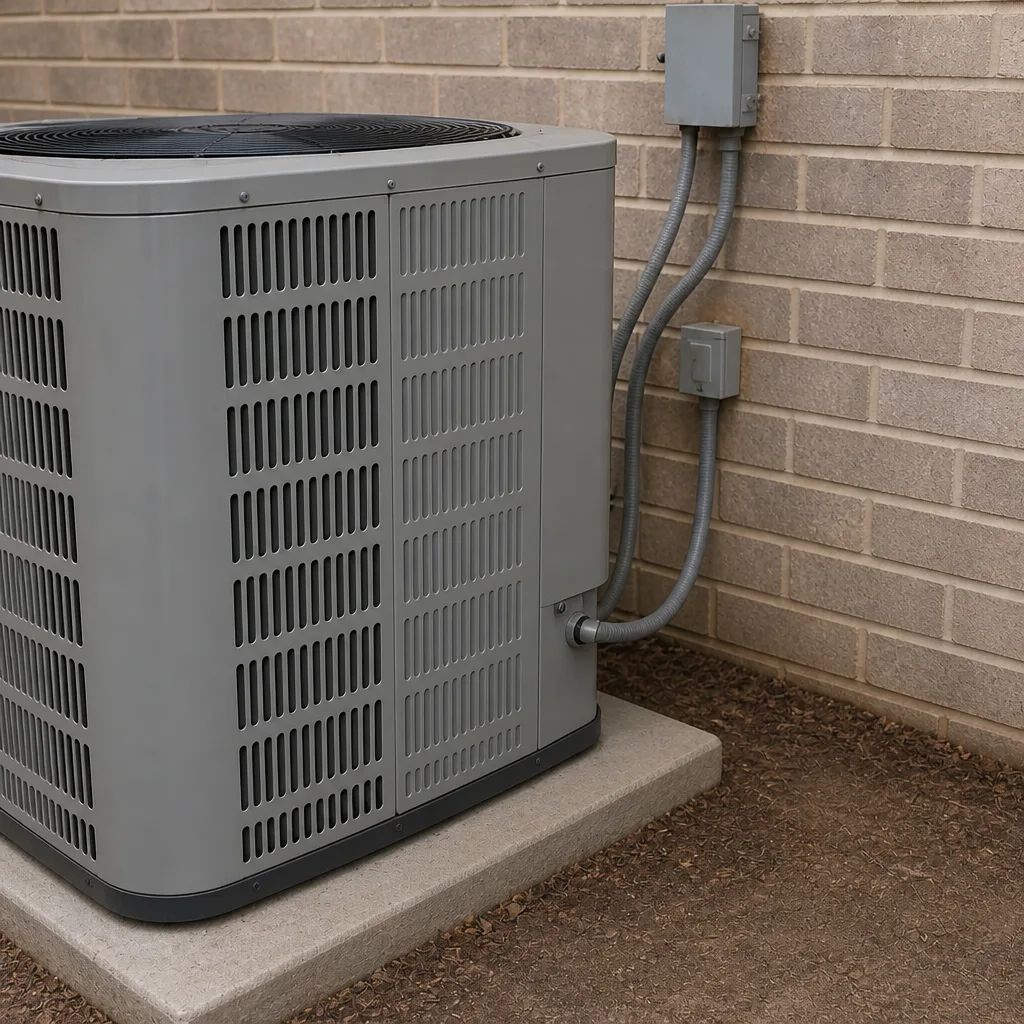
- Electrical disconnect compliance. Every unit needs a proper disconnect within sight of the equipment, correctly rated and labeled. This one gets flagged frequently on DIY or unpermitted installs because it looks finished but isn’t compliant.
- Condensate routing. The drain path from the air handler has to move water safely away from the home. That means proper slope, a trap, and a termination point that won’t cause moisture problems in the attic or on the slab. In a place where systems run constantly through summer, condensate volume is high.
- Equipment clearances. The condenser needs adequate airflow clearance from walls, fences, and shrubs, and the air handler needs serviceable access. Tight clearances are common in Plano’s denser subdivisions, where side yards are narrow.
- Equipment match and capacity. The inspector verifies the equipment installed matches what was permitted and the sizing is appropriate for the home.
In our experience, the items flagged most often on Plano inspections aren’t dramatic. They’re small things: a missing disconnect label, a condensate line without a trap, clearances squeezed by landscaping. They’re also the easiest things to get right the first time, which is exactly why a permit and inspection protect you.
The inspection is where an unpermitted installation gets caught. If your system was already installed without one and you’re worried, the first step is figuring out what was actually done. You can read more about our AC repair process to see how we diagnose existing systems and what we find when things weren’t done to code. And if you need this resolved before a sale, the sooner the better.
Texas Energy Code and SEER Minimums for New Equipment
Texas adopts the International Energy Conservation Code (IECC) as its baseline energy code, and local jurisdictions like Plano enforce it through the permitting and inspection process. The IECC sets minimum efficiency standards for new and replacement HVAC equipment, expressed primarily as SEER ratings, along with requirements for duct sealing, insulation, and equipment sizing in some cases.
Here’s what that means in practice. When you replace a system in Plano, the new equipment has to meet the minimum SEER rating in effect for the code cycle the city enforces. That rating is higher than what older units meet, so a replacement isn’t simply “same as before.” The minimum efficiency threshold has gone up over successive code cycles, and equipment sold below it generally can’t be installed as a permitted replacement.
What this changes for a replacement
- The new unit’s SEER rating has to meet or exceed the code minimum in effect
- Duct sealing and insulation requirements can come into play on duct-inclusive jobs
- Equipment sizing matters; the code assumes correct load calculation rather than “match the old tonnage”
- The permit application and inspection confirm the installed equipment meets the requirement
- Systems that were never permitted may not reflect the current efficiency standard
For a homeowner, the practical question is this: what efficiency is your contractor proposing, and does it meet the code minimum? A good brand-neutral recommendation will walk you through the tradeoff between upfront cost and long-term energy use without pushing the most expensive equipment. That’s the idea behind Benchmark AC Repair: measurable, repeatable standards, not vague claims.
We install equipment from a range of manufacturers, including American Standard and Daikin, and the recommendation is based on fit, efficiency, and budget rather than what’s sitting in a warehouse. Our technicians have up to 15 years of experience reading the code requirements and matching them to real homes. If you’re weighing a replacement, we’ll talk you through what the current code requires for your specific install.
How to Verify a Completed Permit and Get the Final Record
You can verify an HVAC permit and pull the final inspection record through the City of Plano’s permit portal or by contacting the building department directly. This is the document you want saved in your home files: it proves the work was permitted, inspected, and signed off. If your insurer, a buyer, or a contractor ever needs to confirm that a system was installed correctly, this is what they’ll ask for.
Steps to verify and retrieve the record
- Locate the permit number, which should appear on your contractor’s invoice or paperwork
- Look up the permit through the City of Plano permit search, either online or by phone
- Confirm the permit status shows a passed final inspection, not just “issued”
- Request a copy of the final inspection record or print it from the portal
- Store the record with your home’s other important documents, alongside warranties
If the permit was pulled but never received a final inspection, the record will show that gap. That’s worth resolving before you list the home, because an open permit is one of the first things a buyer’s inspector and title company will flag. If the work was never permitted at all, the path forward is usually to have the installation evaluated against current code and brought into compliance, which may involve a new permit application.
We’ve helped Plano homeowners through both situations. The earlier in the process this gets handled, the less it costs in time and stress. If you’re not sure whether your system was properly permitted, start by finding the paperwork. If it’s missing, that’s your signal to call and sort it out.
Common Mistakes to Avoid
- Assuming a “replacement” skips the permit. Even same-capacity swaps are usually permitted in Plano, and skipping it leaves your system unrecorded. That gap tends to surface at the worst possible time: a home inspection or an insurance claim.
- Letting the contractor talk you out of the permit to save time. A short cut now becomes a liability later, and the contractor who suggested skipping it won’t be accountable when a buyer’s inspector flags the work.
- Accepting “we’ll handle it” without confirmation. Ask for the permit number after the job and verify it yourself. A verbal assurance isn’t a record, and it’s not what your insurer will ask for.
- Ignoring a failed inspection notice. If an inspector flagged items, they need to be corrected and re-inspected, not left open. An unresolved permit can block a future sale or refinance.
- Installing equipment that doesn’t meet current code minimums. That “great deal” on discounted equipment can be unusable if it falls below the SEER minimum the code cycle requires.
- Losing the final inspection record. Save it with your home documents. Insurance and title companies ask for it, and reconstructing it later takes time you may not have during a sale.
- Buying a home without checking the HVAC permit history. If you’re the buyer, ask for the permit and final inspection record on any recently replaced system. It’s a fair question and a legitimate condition.
See the difference
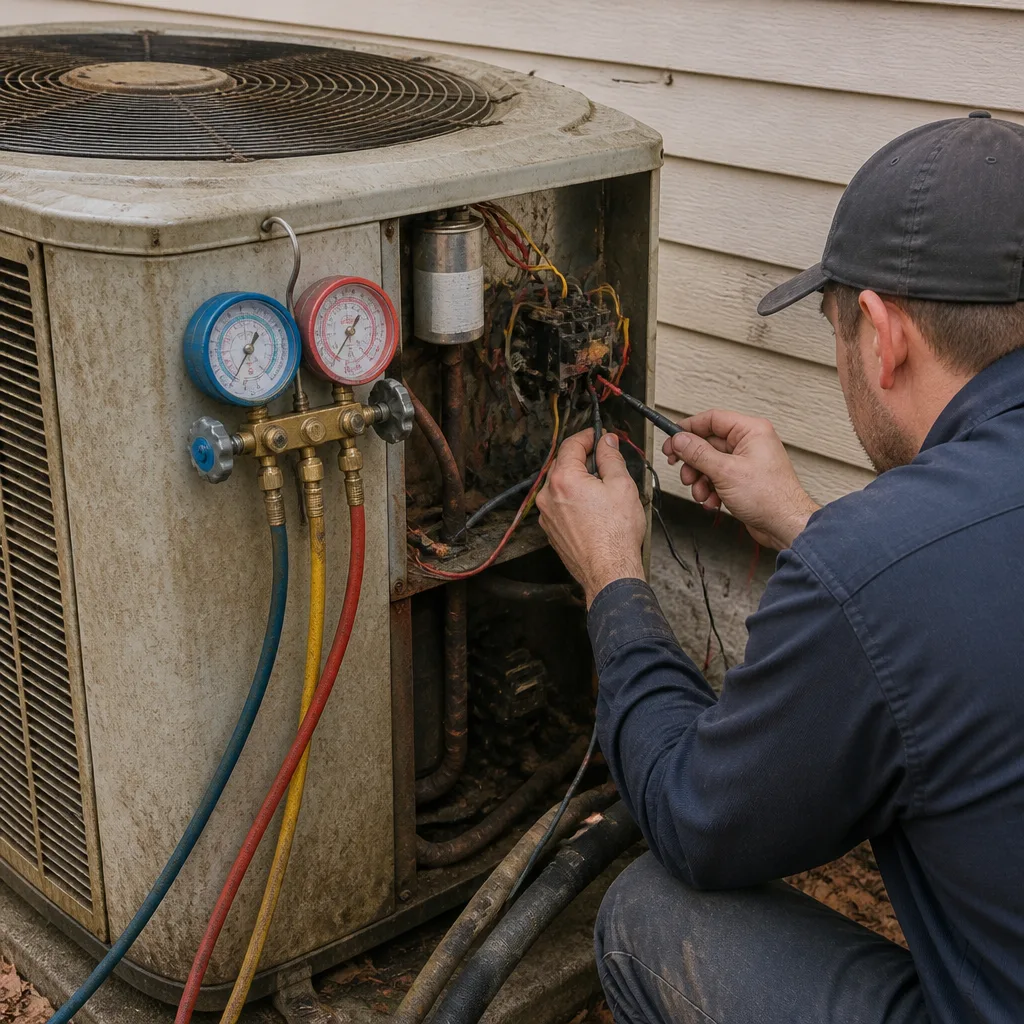 Before
 After
 Before
 After
 Before
 After
When to Call a Professional
There are specific situations where handling the permit question yourself is more risk than it’s worth. If your current system was installed without a permit and you’re planning to sell, we can help you figure out what was done and what’s needed to bring it into compliance. If you’re replacing equipment and want a written scope before anyone pulls a permit, we can walk through it with you. If you’re not sure whether a planned change crosses into modification territory, a quick conversation with a technician who knows the local rules saves much more than it costs. And if an inspection failed and you need it corrected and re-inspected, that’s exactly the kind of job we handle in Plano. Benchmark AC Repair offers free estimates in Plano. Call (833) 488-8546.
Frequently Asked Questions
Yes, in most cases. Plano generally requires a permit for full AC replacement, new installation, and any work that modifies ductwork, refrigerant lines, or electrical connections. A permit is typically pulled by the contractor performing the work. Call (833) 488-8546 to walk through your specific job, and we’ll confirm what’s required before any work starts.
You can, but it’s not the standard approach. When the homeowner pulls the permit, they take on the responsibility for code compliance and correcting any failed inspection items. Most reputable contractors in Plano pull the permit themselves, which puts their name on the record and their reputation behind the work. Call (833) 488-8546 if you have questions about who should pull yours.
Permit fees vary by jurisdiction and by the scope of the work, so there’s no single number. Most cities publish a fee schedule tied to project valuation or equipment value. Rather than quote a figure that might not apply to your case, we’ll include the permit cost clearly in your written estimate. Call (833) 488-8546 for a free estimate that itemizes the permit.
An inspection verifies code compliance, not system performance. It typically covers refrigerant line sizing and routing, electrical disconnect compliance, condensate routing and termination, equipment clearances, and whether the installed equipment matches the permit. Small items like unlabeled disconnects and missing condensate traps are common findings. Call (833) 488-8546 if you’re preparing for an inspection and want a pre-check.
The work may need to be evaluated against current code and brought into compliance, which can involve a new permit application and inspection. The bigger risk is that unpermitted work can show up as a material defect during a home sale or complicate an insurance claim. Call (833) 488-8546 to sort out an unpermitted installation before it becomes a problem on a timeline.
You can retrieve it through the City of Plano permit search or by contacting the building department directly. You’ll need the permit number, which should be on your contractor’s invoice. Ask for the final inspection record with a passed status, and save it with your home documents. If you can’t locate the paperwork, call (833) 488-8546 and we’ll help you figure out next steps.
The Bottom Line
HVAC permitting in Plano isn’t red tape for its own sake. It’s the mechanism that creates a paper trail for the equipment in your home, confirms the installation meets the current energy code, and protects you when insurance or a home sale puts that system under scrutiny. The main points to hold onto: most replacements and modifications require a permit; the contractor should pull it; the inspection checks specific code items you can verify yourself; and the final record is worth keeping. When you’re ready to move forward on a repair, replacement, or compliance fix, we’re here. Visit our Plano page for more on how we work locally, and call (833) 488-8546 for a free estimate.
Written by the team at Benchmark AC Repair.