
Last updated November 14, 2026
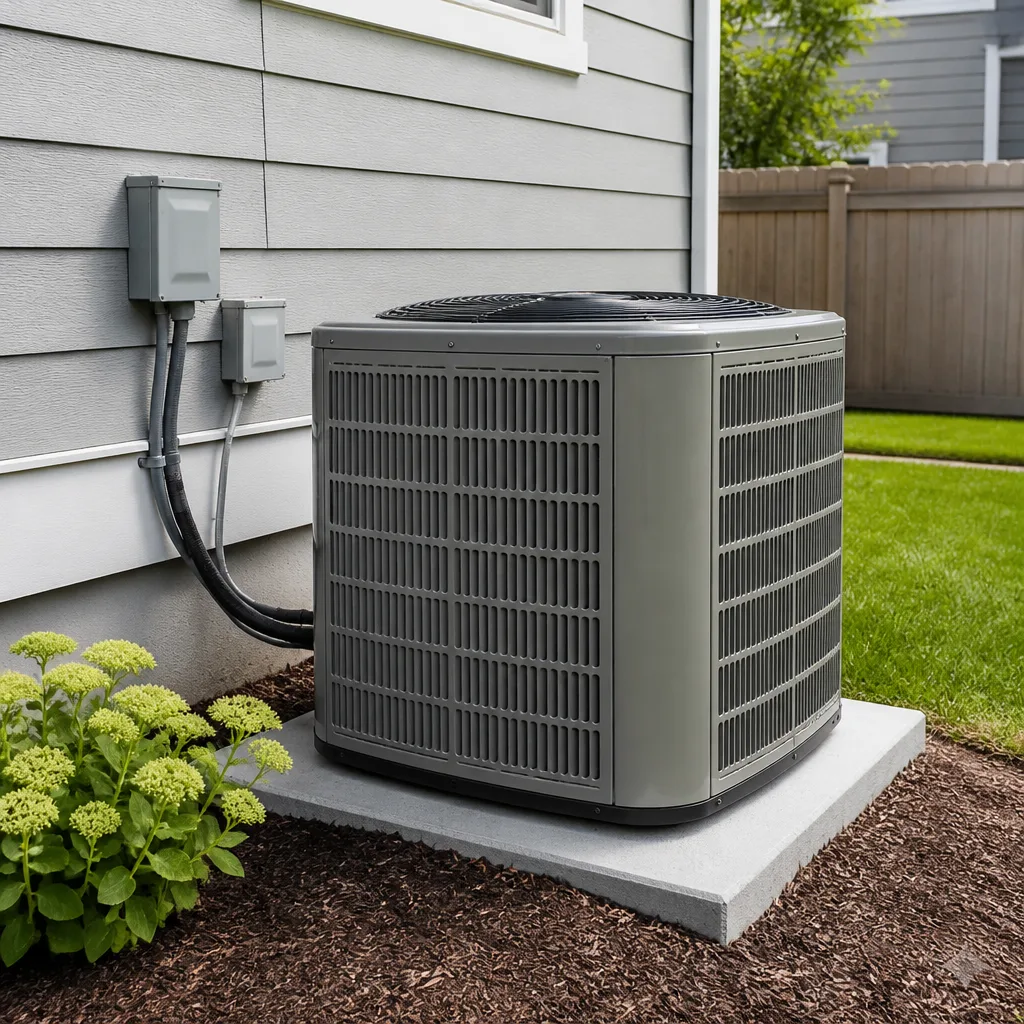 AC repair
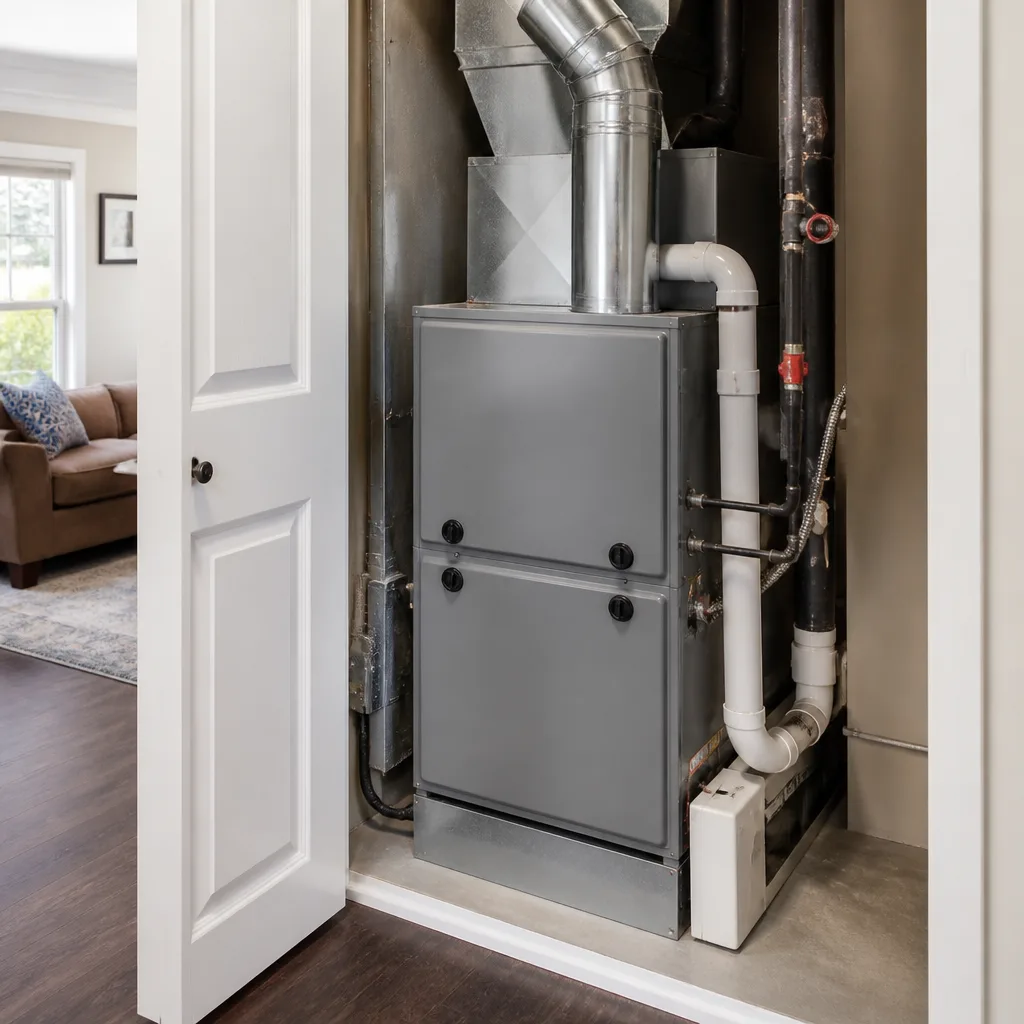 Furnace & heating
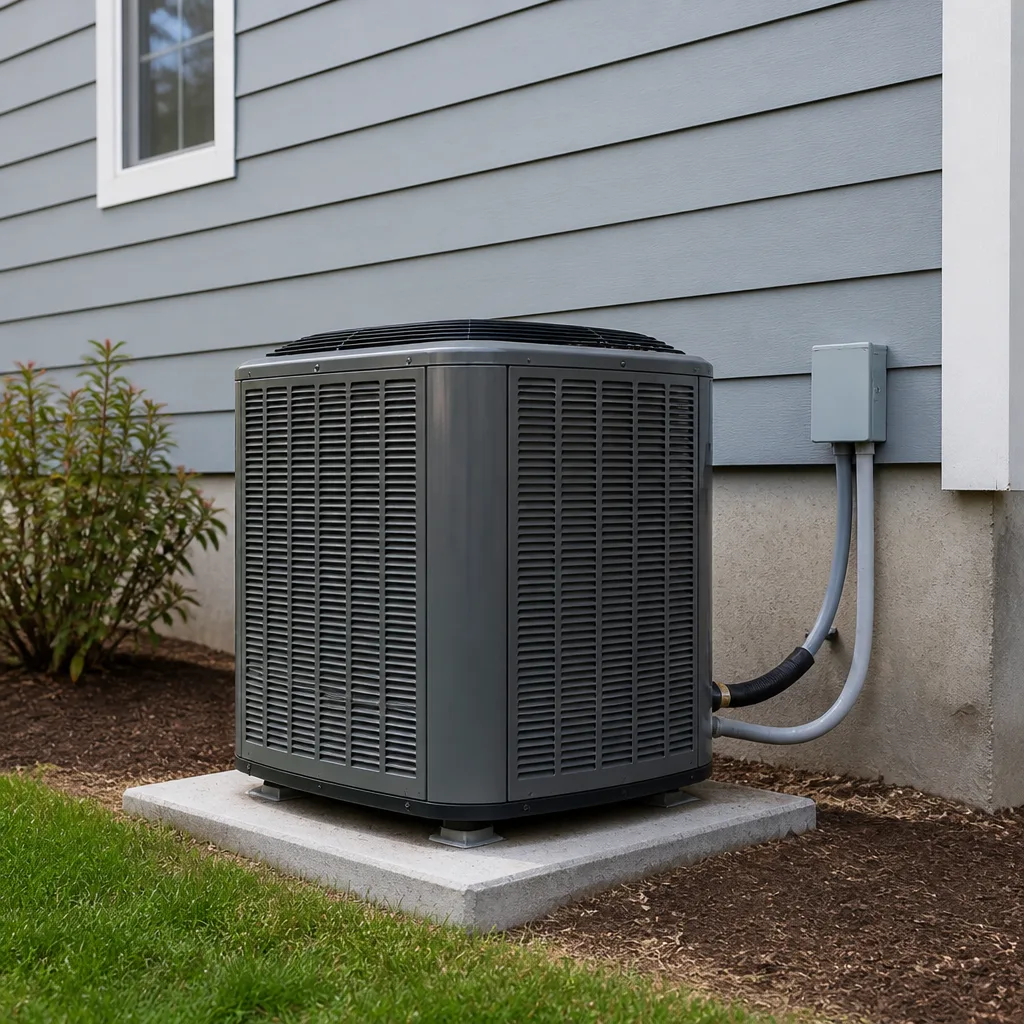 Heat pumps
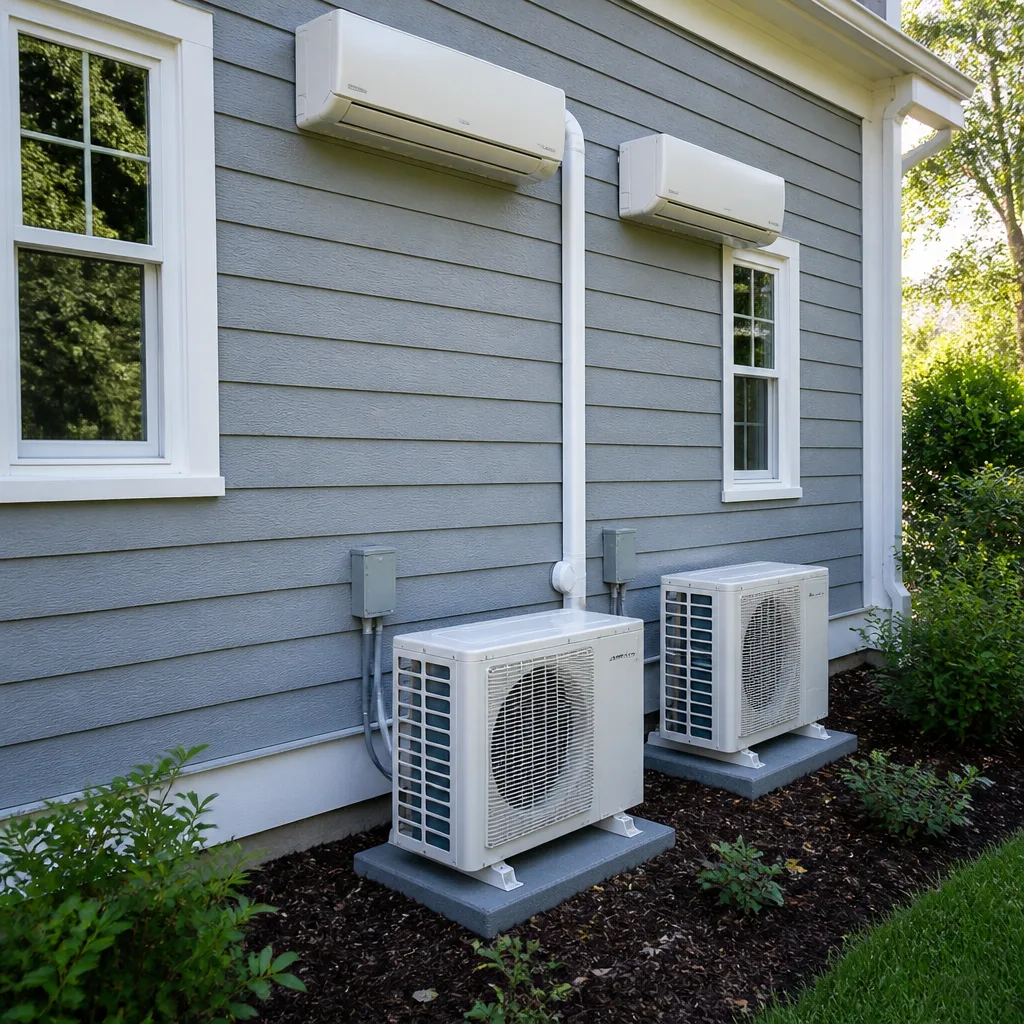 Ductless mini splits
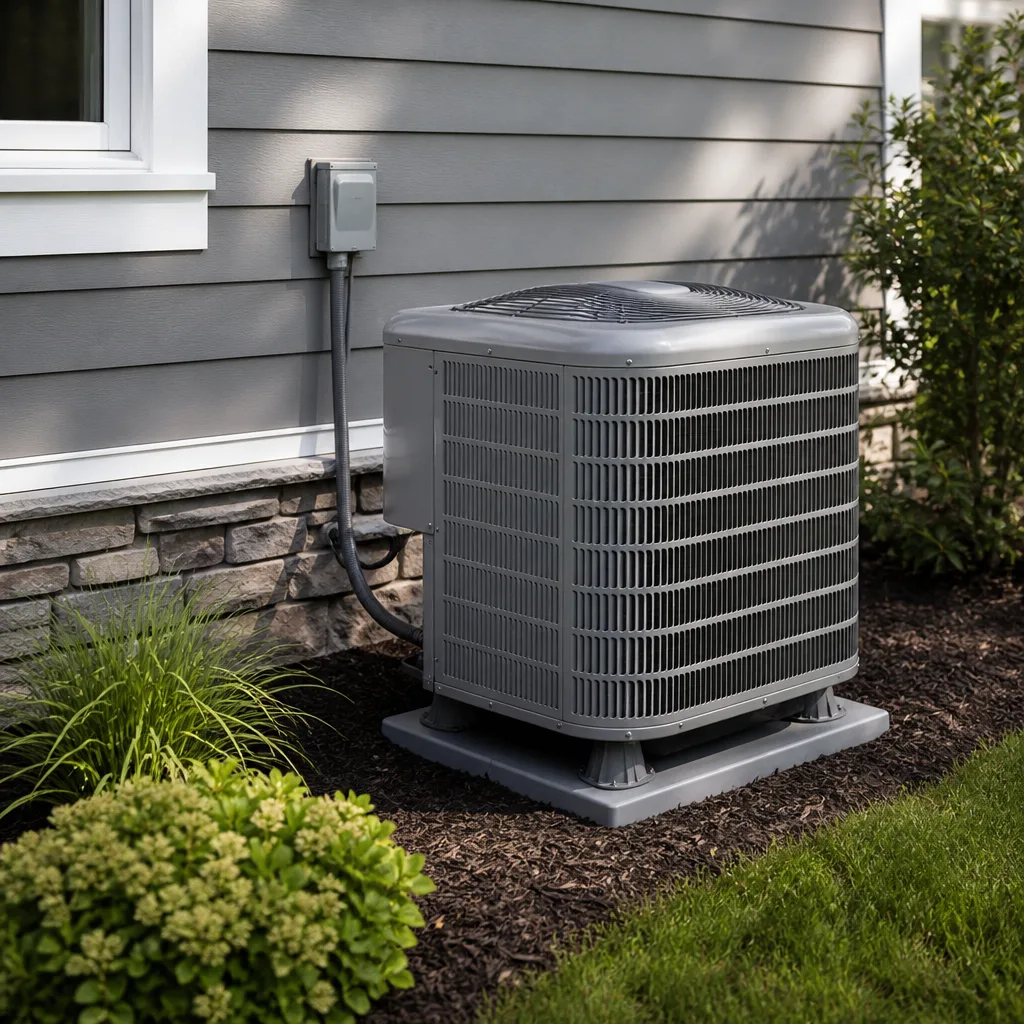 Carrier
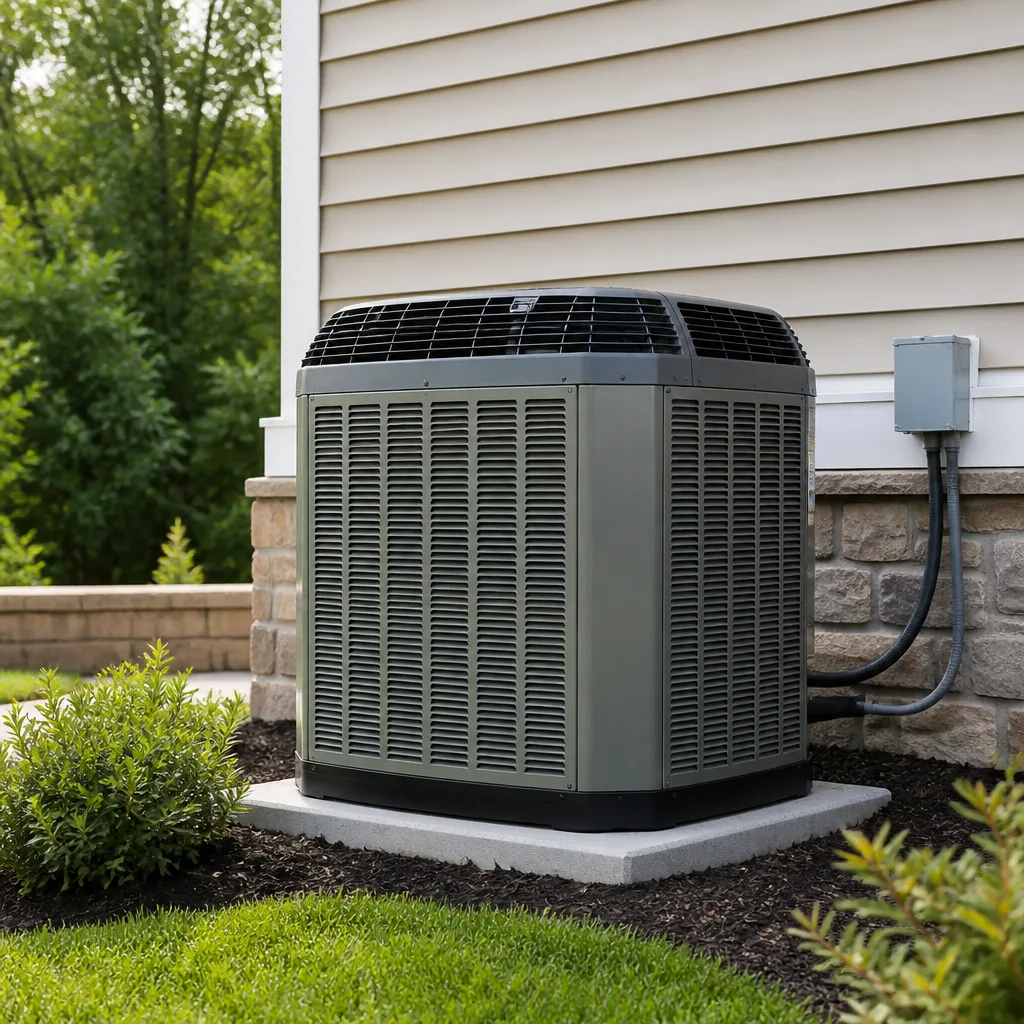 Trane
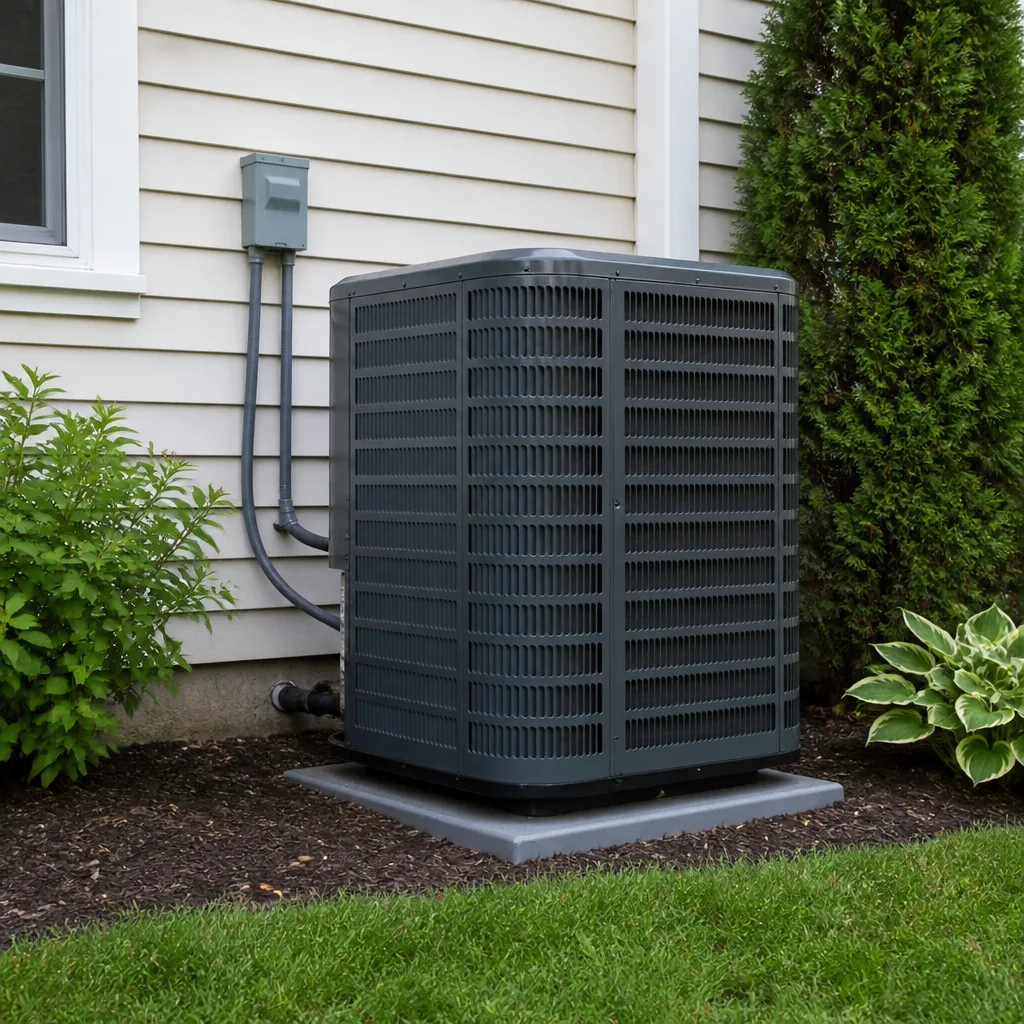 Goodman
Seasonal tune-up and full diagnostic on your Carrier, Trane, or Goodman system - readings shown to you before any repair is proposed
Diagnosis first, numbers second - you approve the repair price before a single part goes in.
Get your free estimateSeasonal HVAC Care for Plano: Year-Round Homeowner’s Guide
Most HVAC maintenance advice is written for a place with four equal seasons. Plano doesn’t have those. We have a cooling season that runs about five months and does most of the wear, two short shoulder periods in March and October that quietly decide how the rest of the year goes, and a winter mild enough that heating systems sit idle for months and then get asked to perform on the one week temperatures drop below 20°F. A care calendar built for that reality looks nothing like a generic spring-and-fall checklist. This guide lays out a month-by-month schedule calibrated to how Plano homes actually run their equipment, so you can stop guessing and start protecting the system you have.
Quick Answer
The best seasonal HVAC schedule for a Plano home puts real maintenance in the shoulder months – March and October – when technician demand is lower and moderate temperatures let a system be tested accurately. Cooling-season tasks run May through September, a fall heating startup check belongs in October before the first cold front, and filter changes should follow Plano’s pollen and dust calendar rather than an arbitrary 90-day rule. One annual cooling tune-up, one annual heating tune-up, and disciplined filter habits cover most homes.
Styles & brands we work with
- AC repair
- Furnace & heating
- Heat pumps
- Ductless mini splits
- Carrier
- Trane
- Goodman
Table of Contents
- Why Plano’s Climate Breaks the Standard Maintenance Calendar
- The Shoulder Months: March and October Are Your Highest-Value Windows
- The Month-by-Month HVAC Care Calendar for Plano
- Summer Peak (June-September): What You Can Do Yourself Without Voiding a Warranty
- What “Winterizing” Actually Means in Plano
- Matching Filter Changes to Plano’s Pollen and Dust Seasons
- The Fall Heating Startup Check That Prevents January Failures
- Signs Your System Needs Attention Before the Season Turns
Why Plano’s Climate Breaks the Standard Maintenance Calendar
National HVAC advice assumes your system gets roughly equal heating and cooling hours. In Plano, it doesn’t. A typical year here loads the cooling side heavily from May into September, with July and August pushing equipment through long, hot afternoons that never fully let up overnight. The heating side, by contrast, runs lightly and then suddenly – a mild December, a mild early January, and then a cold front that drops temperatures below 20°F for a stretch and turns every furnace and heat pump in the city on at once.
That imbalance has two consequences worth understanding.
First, cooling equipment accumulates wear fast. A system in Plano can log a full summer’s runtime by the time August ends, which means the parts that fail – capacitors, contactors, blower motors, refrigerant charge issues – tend to fail in July and August, not in April. The maintenance that would have caught them belongs in the weeks before that load arrives.
Second, heating equipment gets neglected precisely because it isn’t needed. A furnace or heat pump can sit untouched for eight months, collect dust on the burners or the coil, develop a small issue nobody notices, and then be asked to run continuously during the coldest week of the year. That’s why heating failures here cluster in January rather than spreading across the winter.
Plano’s housing stock adds a wrinkle. A lot of homes here were built in the 1990s and 2000s, and many still run the original straight-cool condenser paired with a gas furnace. Newer construction and retrofits increasingly use heat pump configurations where the outdoor unit runs year-round. Those two setups need genuinely different seasonal care, and treating them the same is one of the most common mistakes we see. Whether you’re in a neighborhood off Legacy Drive or a smaller pocket near downtown Plano, the calendar below applies – but the tasks under “winterizing” split depending on which system you have.
The Shoulder Months: March and October Are Your Highest-Value Windows
If you take one thing from this guide, take this: March and October are the two months when HVAC maintenance in Plano delivers the most value per dollar and per hour. Not because the weather is pleasant, though it is, but for three practical reasons.
- Technician demand is lower. In July, every HVAC company in Plano is running flat out on emergency no-cool calls. In March and October, the phones are quieter, which means more scheduling flexibility and a technician who isn’t rushing to the next breakdown.
- Moderate temperatures allow accurate testing. A cooling system can only be properly evaluated – refrigerant pressures, superheat and subcooling, temperature split across the coil – when it’s running under a realistic load at a moderate outdoor temperature. Testing a system on a 105°F August afternoon gives you distorted readings. Testing it in October gives you a true picture.
- You get ahead of the season stress. A March tune-up catches the weak capacitor before it strands you in June. An October heating check finds the cracked heat exchanger or failing igniter before the first cold front, when everyone else is calling at once.
In our experience, homeowners who book their maintenance in the shoulder months spend less on repairs over a system’s life than those who only call when something breaks. The reason is simple: a system that’s inspected before peak load gets its small problems fixed while they’re still small.
If you want to schedule a shoulder-season visit, our AC repair team handles the cooling side and the same visit can flag heating concerns before October ends.
The Month-by-Month HVAC Care Calendar for Plano
Here’s the schedule we’d hand a Plano homeowner if we could only give them one page. It’s built around the actual load pattern here, not a generic template.
January – February: Heating Watch
- Check the filter once in January – heating season runs the blower constantly and loads the filter faster than you’d expect.
- Listen for unusual sounds on startup: a boom, a rattle, or a short cycle that repeats. These are worth a diagnostic before they become a no-heat call.
- Keep the outdoor unit clear of leaves and debris; a heat pump still needs airflow even in heating mode.
March: Cooling Tune-Up (Highest-Value Month)
- Book the annual cooling maintenance now, before the first warm week fills the schedule.
- Have refrigerant pressures, electrical components, and the condensate drain checked.
- Replace the filter at the start of the cooling season rather than mid-summer.
April – May: Pre-Season Prep
- Clear the condenser of winter debris, seed pods, and pollen buildup.
- Trim vegetation back from the outdoor unit; two feet of clearance is a reasonable target.
- Test the thermostat through a full cooling cycle before you need it.
June – September: Peak Cooling
- Change filters on a Plano-appropriate interval (see the filter section below).
- Keep the outdoor unit shaded if possible but never enclosed.
- Watch for rising energy bills or longer run times – both signal a system working harder than it should.
October: Heating Startup Check (Second-Highest-Value Month)
- Book the heating tune-up before the first cold front, not after.
- Have the heat exchanger, burners (on a gas furnace), and ignition system inspected.
- Test the heat pump’s reversing valve and defrost cycle if you have one.
November – December: Shoulder Transition
- Verify the thermostat switches cleanly between modes.
- Change the filter heading into heating season.
- Note any odd smells on first heat – a burning dust smell is normal for a few minutes; anything persistent deserves a call.
This calendar isn’t rigid. If your system is older, runs a heat pump, or serves a larger home, you may want an extra mid-summer check. But it’s a solid baseline for most Plano homes, and it beats a generic “spring and fall” reminder every time.
Summer Peak (June-September): What You Can Do Yourself Without Voiding a Warranty
The summer peak is when your system works hardest and when homeowners most want to “do something.” Some tasks are safe and genuinely helpful. Others put your warranty and your safety at risk. Here’s the line.
Safe for most homeowners:
- Change or clean the air filter on schedule – this is the single highest-impact thing you can do, and it’s fully within warranty terms.
- Keep the outdoor condenser clear of debris, leaves, and grass clippings.
- Maintain clearance around the outdoor unit so it can reject heat.
- Keep supply and return vents unobstructed by furniture or rugs.
- Run the fan on “auto” rather than “on” to reduce humidity load when the system isn’t cooling.
- Set a reasonable cooling setpoint and use a programmable or smart thermostat rather than adjusting constantly.
Not safe, and often warranty-voiding:
- Opening the outdoor unit’s electrical panel or touching capacitors and contactors. Capacitors hold a charge and can deliver a serious shock even after power is off. This is a job for a trained technician, full stop.
- Adding refrigerant or “topping off” the charge. Refrigerant handling requires certification and gauges, and a system that’s low is leaking – which is a diagnostic, not a DIY fix.
- Removing or bypassing safety switches, pressure controls, or the condensate float switch.
- Cleaning the indoor evaporator coil yourself. The coil is delicate, and improper cleaning can bend fins or introduce moisture problems.
In our experience, the homeowners who get the most life out of their systems in Plano are the ones who do the simple tasks religiously and leave the technical work to a technician. A Goodman or Rheem system that’s kept clean and inspected annually will typically outlast one that’s ignored and then “fixed” by guesswork. If you’re unsure whether a task is safe, our Benchmark AC Repair team can tell you over the phone before you touch anything.
What “Winterizing” Actually Means in Plano
Winterizing advice written for cold climates – draining lines, covering the outdoor unit, shutting off the disconnect – doesn’t apply the same way in Plano. Winters here are mild enough that most systems either run year-round or sit idle for a short stretch, and the wrong “winterizing” can actually cause problems. What you do depends entirely on which system you have.
If you have a straight-cool system with a gas furnace
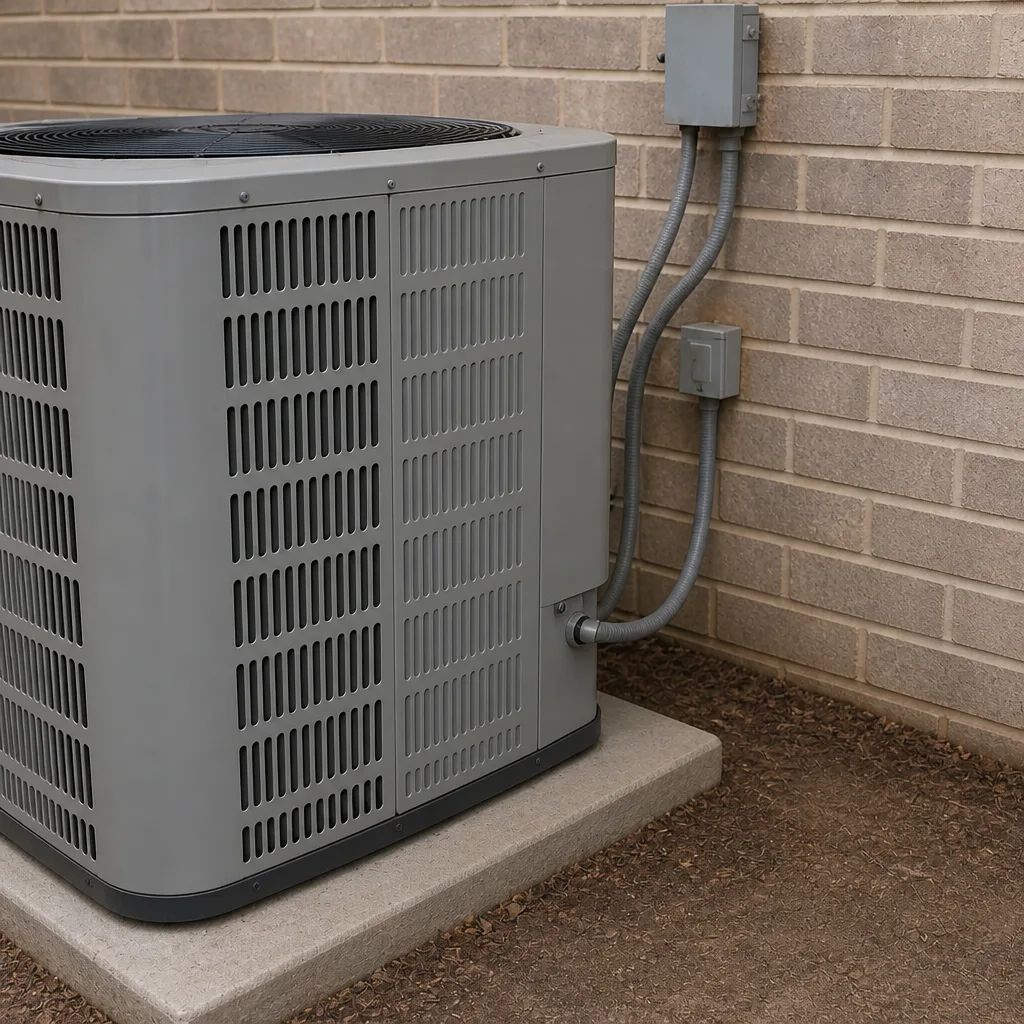
The outdoor condenser is idle in winter, but it isn’t “dead.” Your tasks are to keep it clear of leaves and debris so it doesn’t become a rodent or insect shelter, verify the furnace’s filter is clean heading into heating season, and confirm the thermostat switches to heat without issue. Do not cover the outdoor unit tightly – trapping moisture under a cover invites corrosion. If a hard freeze is forecast, most Plano homes with a gas furnace need nothing special beyond keeping the filter clean and the thermostat functioning. A loose cover or tarp is unnecessary and often harmful.
If you have a heat pump
This is where the calendar diverges. A heat pump’s outdoor unit runs year-round, so it must never be covered or wrapped. Its winter care is different: keep the unit clear of debris and snow (when it rarely falls), verify the defrost cycle works, and understand that a heat pump naturally runs a defrost cycle in cold, humid conditions – that’s normal, not a fault. The critical winter task for a heat pump is confirming the auxiliary or emergency heat actually engages when needed. That’s a diagnostic check, and it belongs in your October heating tune-up.
The one universal winter task in Plano: know where your air handler is and keep the area around it clear. If the condensate line ever freezes or the drain pan fills, you want to spot it before it damages flooring or ceiling. A float switch that shuts the system down is a safety feature, not a fault – but it’s worth understanding what it’s telling you. Our Plano technicians can walk you through the difference between a normal defrost cycle and a real problem.
Matching Filter Changes to Plano’s Pollen and Dust Seasons
The 90-day filter rule is a rough national default, and in Plano it’s often wrong. Two local factors change the math: pollen season and the region’s dust profile.
Plano’s pollen season peaks in spring – typically March into April – when tree pollen loads the air and, by extension, your filter. A filter that would last 90 days in a low-pollen climate can load up in half that time here. Then there’s the summer dust and the general airborne particulate that comes with a hot, dry stretch.
A more realistic schedule for most Plano homes:
- March-April (pollen peak): check the filter every 3-4 weeks, replace as needed.
- May-September (cooling season): check monthly, replace every 30-60 days depending on filter type and household (pets and allergy sufferers push toward the shorter end).
- October-November (shoulder): replace at the season change into heating.
- December-February (heating): check monthly; heating runs the blower more than you’d expect.
The right interval also depends on filter type. A basic 1-inch fiberglass filter loads faster and should be changed more often; a thicker media filter holds more and can go longer. The best single habit is to check the filter monthly rather than trust a calendar. Hold it up to a light – if you can’t see through it, it’s done. A clogged filter is the most common cause of the airflow problems that lead to frozen coils and premature blower failure, and it’s the cheapest thing you can fix yourself.
The Fall Heating Startup Check That Prevents January Failures
Here’s the pattern we’ve seen enough times to call it predictable: a heating system sits idle through a hot Plano summer, dust settles, a component degrades quietly, and then the first real cold front of January arrives and the system fails – often the same week half the city is calling. That failure was almost always preventable with an October check.
A proper fall heating startup check covers:
- Heat exchanger inspection – on a gas furnace, this is the safety-critical item. A cracked heat exchanger can let combustion gases into the supply air, and it’s not something a homeowner can see. This alone justifies the visit.
- Burner and ignition check – confirm the burners light cleanly and the flame sensor is functioning.
- Blower and airflow – verify the blower runs at the right speed and the filter and ducts aren’t restricting flow.
- Heat pump reversing valve and defrost – if you have a heat pump, confirm it switches between modes cleanly and defrosts correctly.
- Thermostat and safety switches – test that the system responds correctly and that all safeties function.
- Carbon monoxide check – any gas heating system should be checked for CO as part of the startup.
The heating side is genuinely dangerous to work on yourself. Gas lines, combustion, and heat exchangers aren’t places for DIY, and we’d rather you call than experiment. A York or Daikin furnace that’s checked every October will typically run reliably through the winter; one that’s ignored is the one that fails on the coldest week. If your heating system hasn’t been looked at since last winter, a startup check now is the highest-value thing you can do in fall.
Signs Your System Needs Attention Before the Season Turns
The best time to catch a problem is before it strands you. These are the signals worth acting on, whether you’re heading into cooling season or heating season.
- Rising energy bills without a change in use – a system working harder than it should is often a sign of a dirty coil, low refrigerant, or a failing component.
- Longer run times – if the system runs noticeably longer than it used to for the same result, it’s losing efficiency.
- Unusual sounds – a grinding, squealing, or repeated short cycle on startup is worth a diagnostic before it becomes a breakdown.
- Weak airflow from vents – often a filter or blower issue, occasionally a duct problem.
- Moisture around the indoor unit – a clogged condensate drain or a frozen coil, both of which need attention.
- Any burning smell that persists – a brief dust burn-off on first heat is normal; anything that continues is a call.
- Uneven temperatures room to room – could be airflow, could be a failing component.
Catching one of these in the shoulder months usually means a simple repair. Catching it in July or January usually means an emergency call. If you’re unsure whether a symptom is urgent, a quick call is the cheapest diagnostic you’ll make.
Common Mistakes to Avoid
- Treating spring and fall as your only maintenance windows. Plano’s real load pattern means March and October are the high-value months, but skipping the mid-summer filter checks undermines everything the shoulder tune-ups accomplished.
- Using the 90-day filter default everywhere. Plano’s pollen season loads filters faster than that. A filter that’s clogged in April can cause the airflow problems that lead to a frozen coil in June.
- Covering the outdoor unit for winter. A tight cover traps moisture and can accelerate corrosion. A heat pump’s outdoor unit must never be covered because it runs year-round.
- Skipping the fall heating startup because “it was fine last year.” The January failures we see almost always trace back to an unchecked heat exchanger or ignition component that failed quietly over the idle months.
- Doing gas or electrical work yourself. Heat exchangers, gas lines, capacitors, and refrigerant are genuinely dangerous. The savings from a DIY attempt rarely outweigh the risk, and a botched repair can void your warranty.
- Ignoring rising bills or longer run times. These are early warnings. Acting on them in the shoulder months turns a big repair into a small one.
- Calling a single-brand dealer whose only recommendation is the brand they sell. A brand-neutral technician gives you the right equipment for your home, not the most profitable unit on the shelf.
See the difference
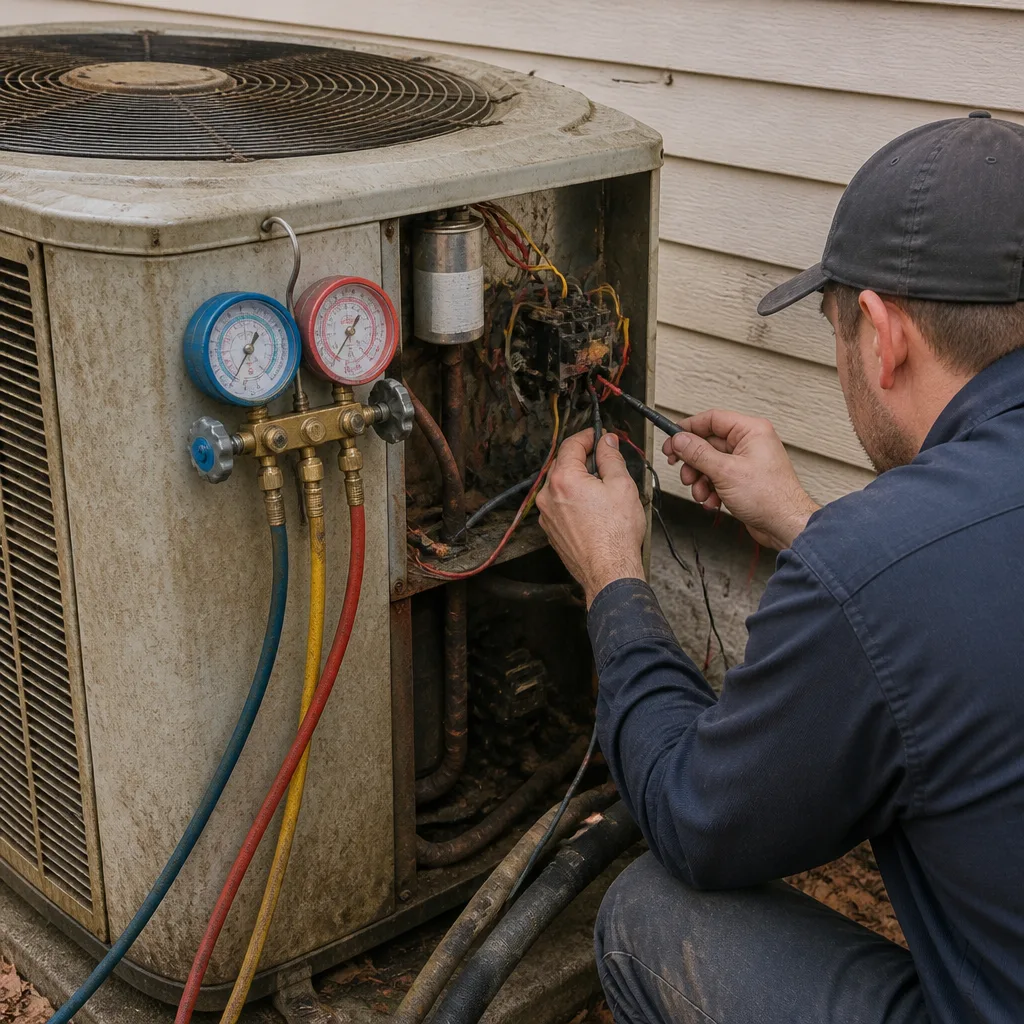 Before
 After
 Before
 After
 Before
 After
When to Call a Professional
Call a professional for anything involving refrigerant, gas, the heat exchanger, electrical components inside the unit, or a repair you can’t confidently diagnose. Call sooner rather than later if you’re heading into a season change and haven’t had a tune-up – the shoulder months are the time to book, not the peak. And call immediately if you smell gas, if the heat exchanger is suspect, or if the system trips a breaker or shuts itself down repeatedly. Those aren’t maintenance items; they’re safety items. Benchmark AC Repair offers free estimates in Plano – call (833) 488-8546. We answer 24/7. Fast dispatch from 7am to 7pm, Sunday through Friday. We work on your brand, from Carrier and Trane to Goodman and Rheem, so the technician already knows your system before arriving. Our technicians have up to 15 years of experience, and our recommendations are based on fit and need, not inventory.
Frequently Asked Questions
Twice a year for most homes: a cooling tune-up in March and a heating startup check in October. That’s the schedule that matches Plano’s load pattern, because it puts the work in the shoulder months before each peak season. A mid-summer filter check and careful DIY habits carry you through the rest of the year. Call (833) 488-8546 for a free estimate on a tune-up.
Because they sit idle for months and then get asked to run continuously during the coldest week. That idle stretch lets a component degrade quietly – a cracked heat exchanger, a failing igniter – and nobody notices until the first cold front. An October heating startup check catches those problems before January. Call (833) 488-8546 to book one before the cold arrives.
Not in the traditional cold-climate sense. Plano winters are mild, so a straight-cool system mostly needs to be kept clear of debris and left uncovered, and a heat pump’s outdoor unit must stay uncovered because it runs year-round. The real winter task is confirming the heating side starts and runs correctly. Call (833) 488-8546 if you’re unsure what your system needs.
Monthly checks with replacement every 30-60 days during cooling season, and more often during the March-April pollen peak, is a reasonable baseline. The 90-day default is often too long here because pollen loads filters faster. Hold the filter up to a light – if it’s opaque, change it. Call (833) 488-8546 if you’re not sure whether a filter issue is causing an airflow problem.
The safe DIY tasks – filter changes, clearing the outdoor unit, keeping vents open – are worth doing and cost almost nothing. The technical tasks (refrigerant, electrical, coil cleaning) aren’t safe for most homeowners and can void warranties. A professional tune-up in the shoulder months often pays for itself in avoided emergency calls. Call (833) 488-8546 for a free estimate.
It prevents the ones caused by gradual degradation that a tune-up would have caught – failing capacitors, dirty coils, ignition problems, low refrigerant. It can’t prevent every failure, but it shifts the odds toward small, scheduled repairs over July and January emergencies. Our technicians have up to 15 years of experience, and we can tell you what your system needs. Call (833) 488-8546 for a free estimate.
The Bottom Line
Plano’s climate doesn’t reward a generic spring-and-fall maintenance calendar. It rewards a schedule built around a five-month cooling season, two high-value shoulder months, and a winter mild enough to breed neglect. Book your cooling tune-up in March, your heating startup check in October, and match your filter changes to Plano’s pollen and dust seasons rather than a 90-day default. Do the safe tasks yourself and leave the dangerous ones – gas, electrical, refrigerant – to a trained technician. Whether your system is a Goodman, a Rheem, or another major brand, the goal is the same: catch small problems in the shoulder months so they never become July or January emergencies. That’s what precision over promises looks like in practice, and it’s what keeps a Plano home comfortable through every season.
Call (833) 488-8546 for a free estimate. We answer 24/7. Fast dispatch from 7am to 7pm, Sunday through Friday. Our AC installation and repair team serves homeowners across Plano with brand-neutral advice and straight answers about what your system actually needs.
Written by the team at Benchmark AC Repair.