
Last updated November 14, 2026
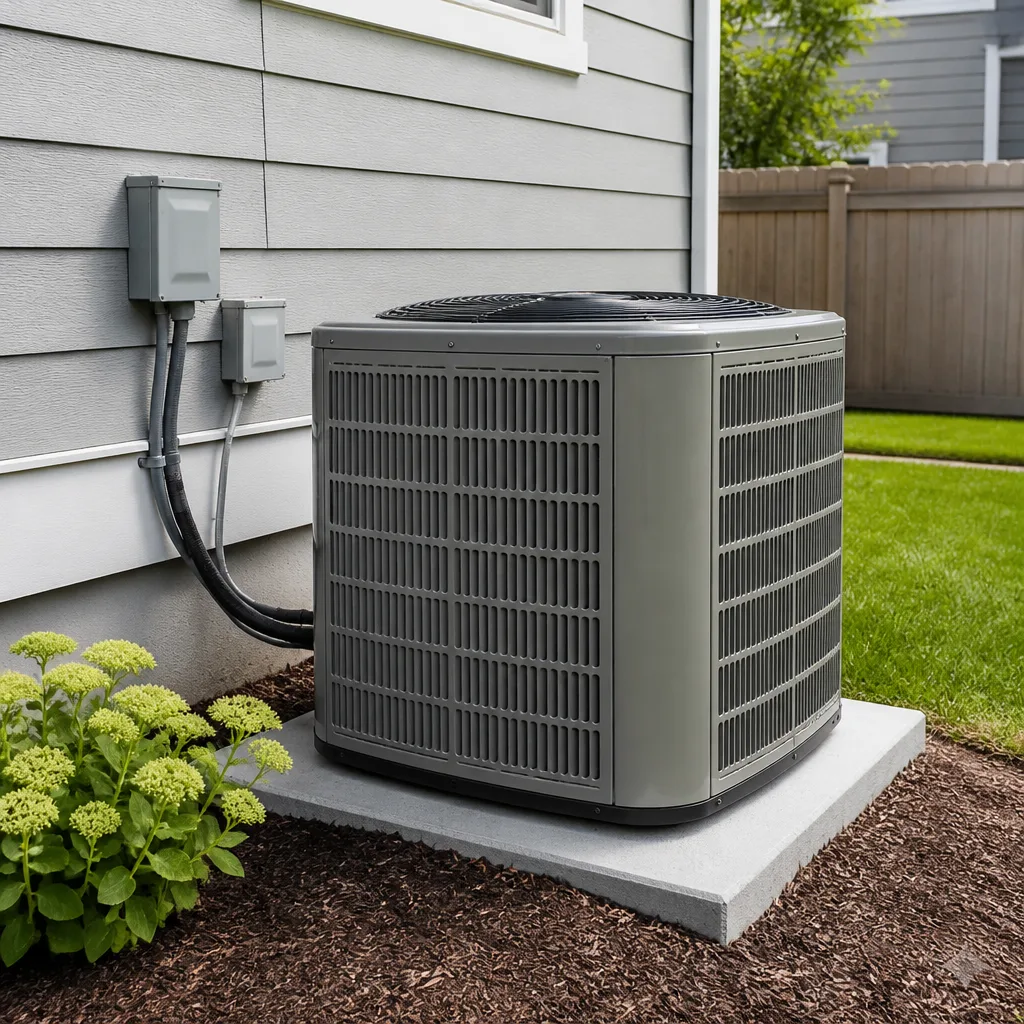 AC repair
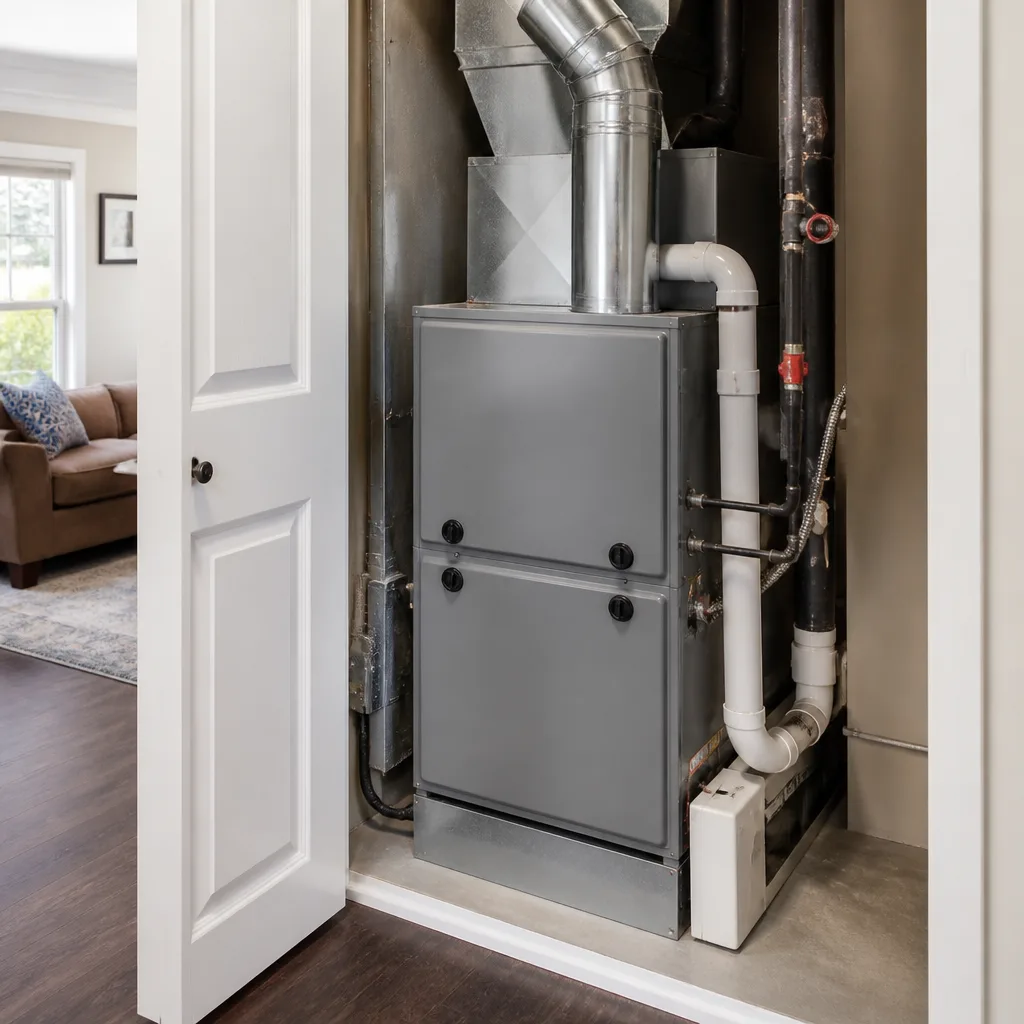 Furnace & heating
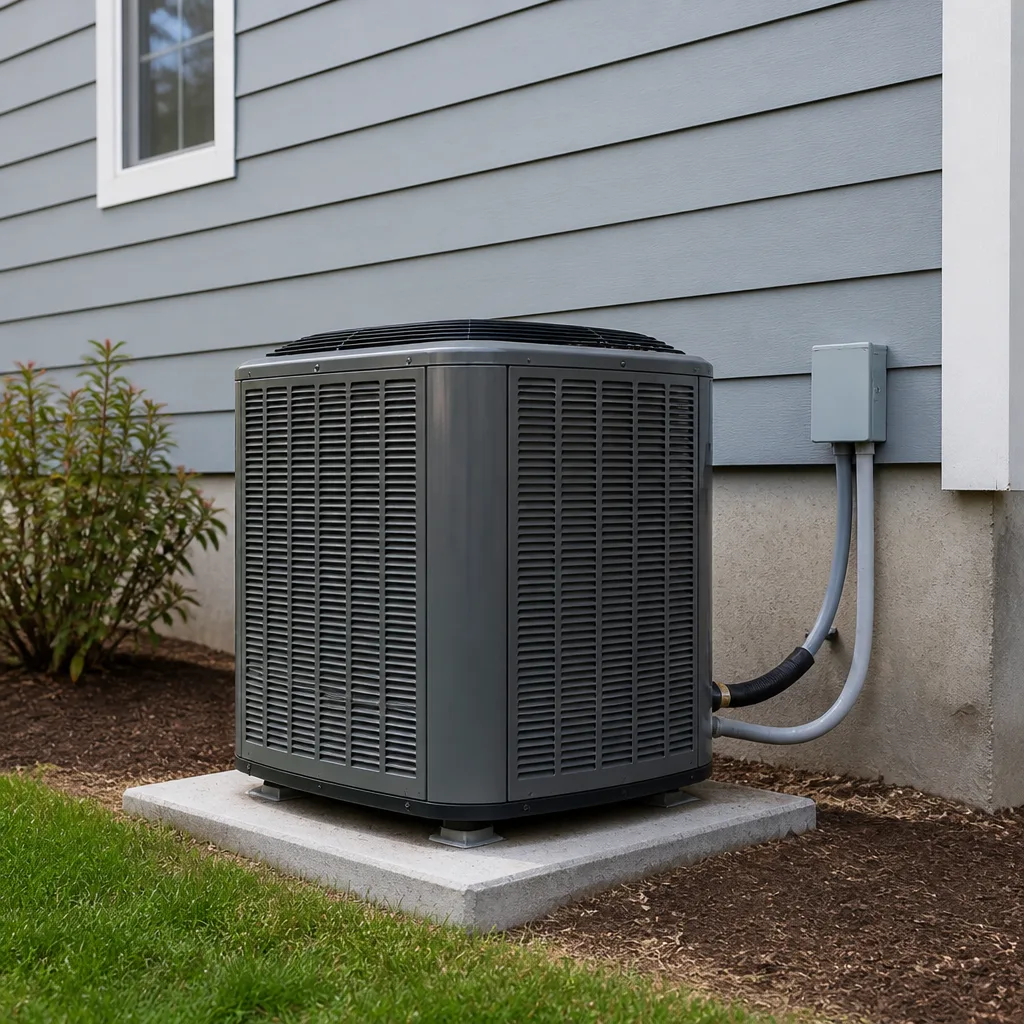 Heat pumps
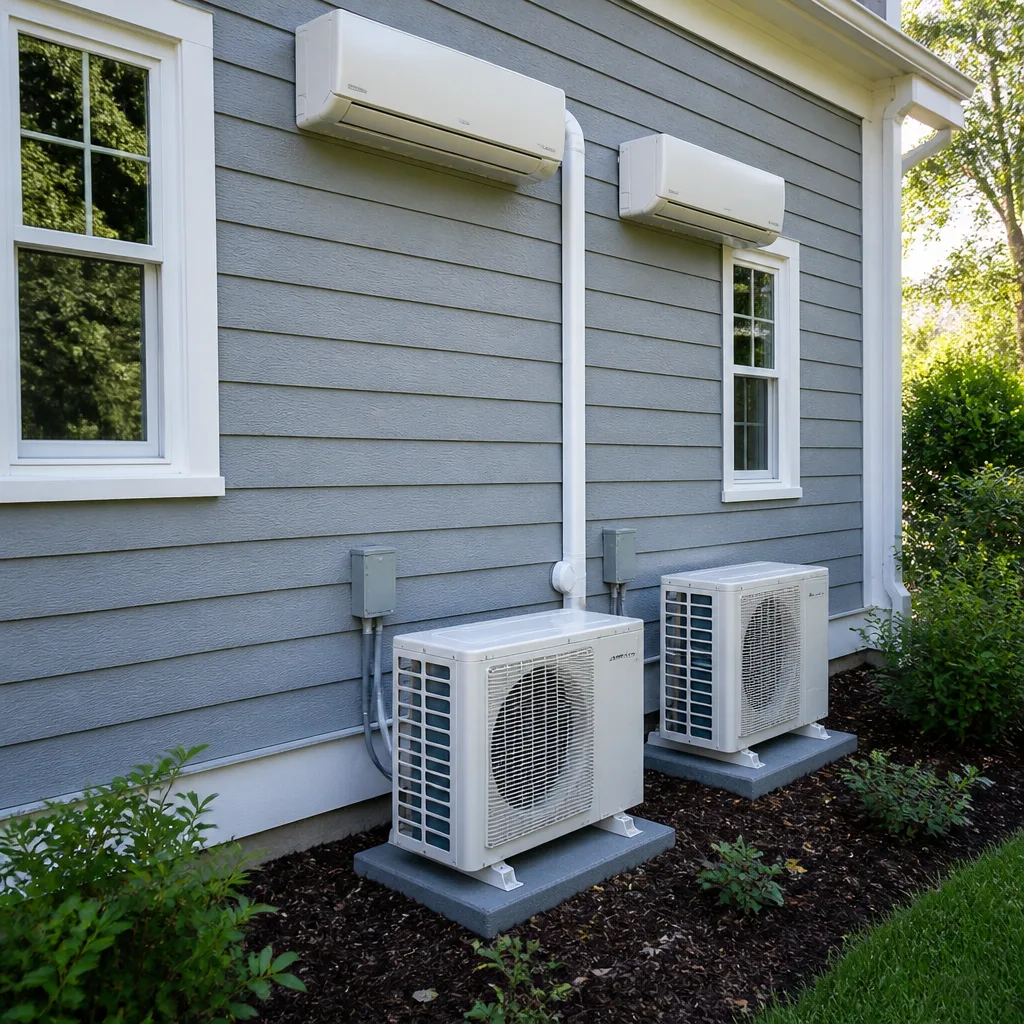 Ductless mini splits
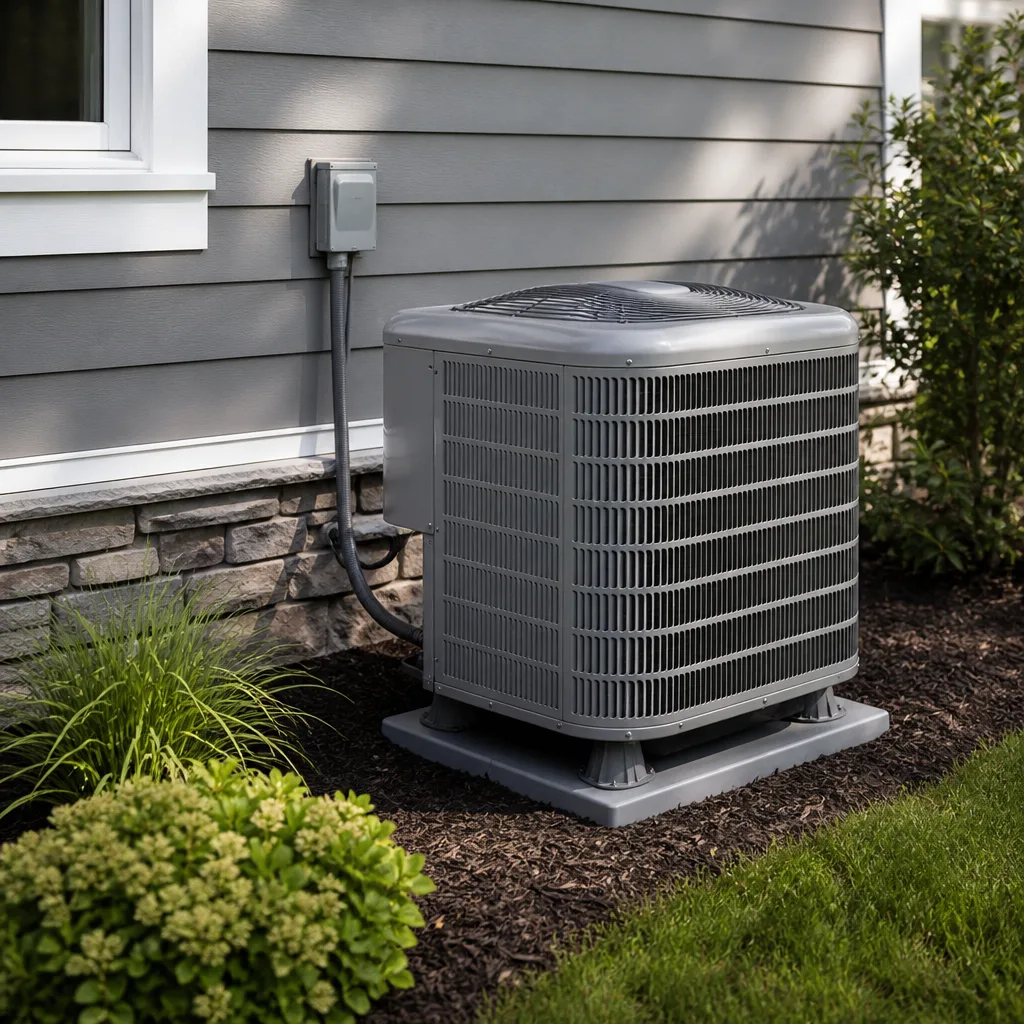 Carrier
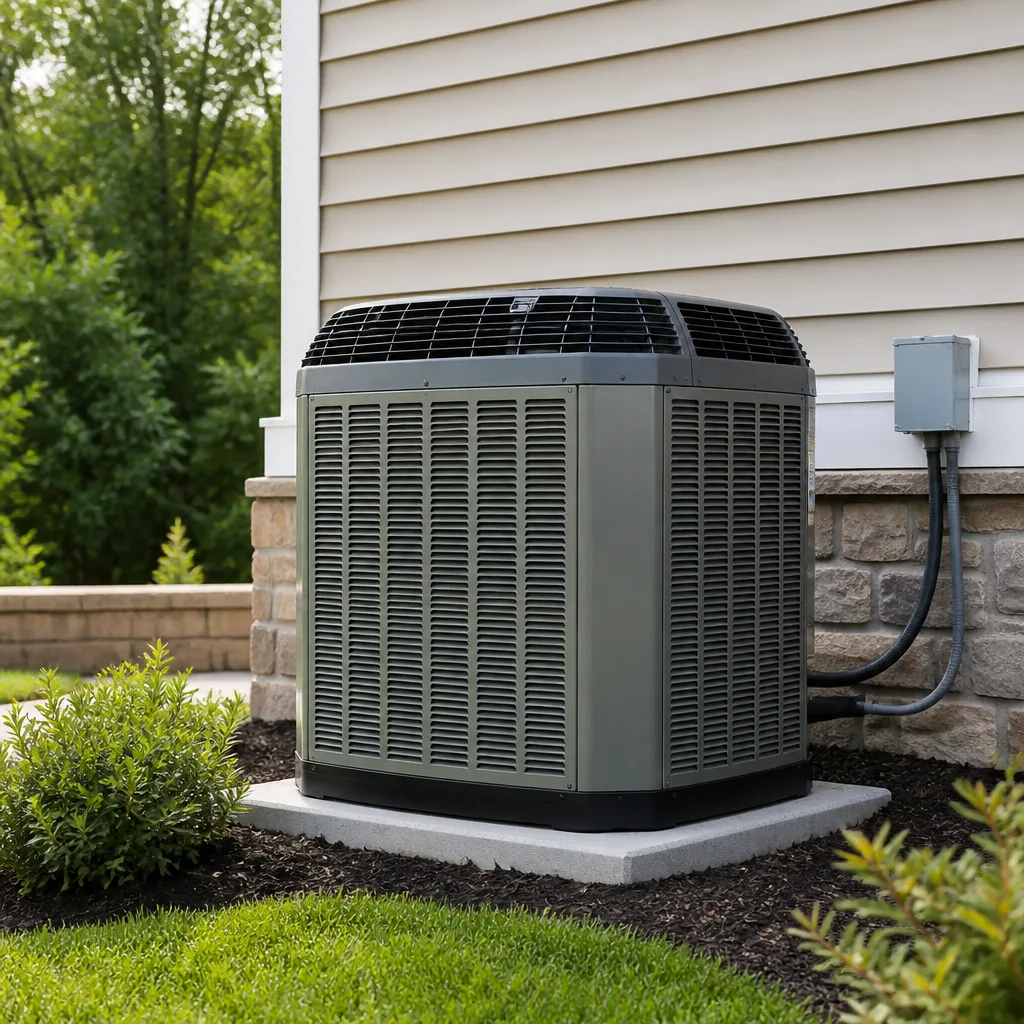 Trane
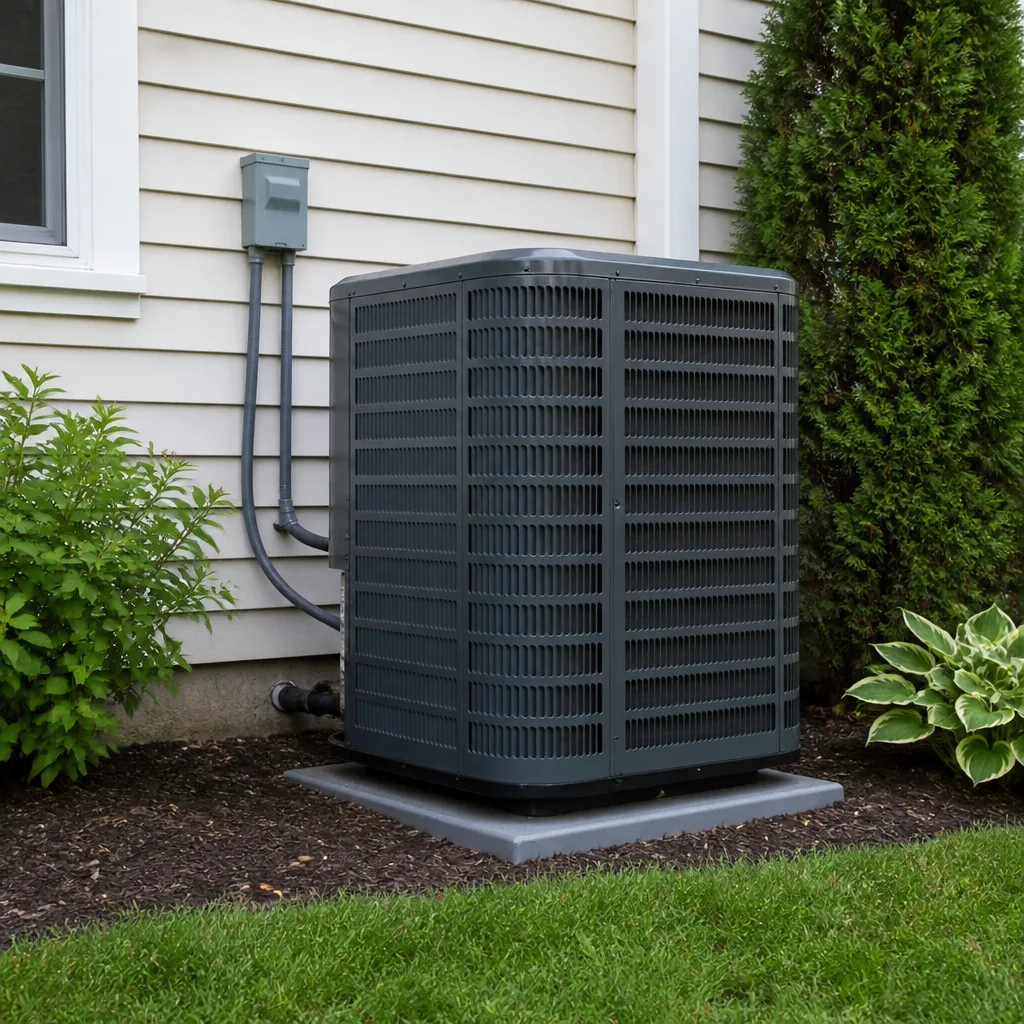 Goodman
Seasonal tune-up and full diagnostic on your Carrier, Trane, or Goodman system - readings shown to you before any repair is proposed
Diagnosis first, numbers second - you approve the repair price before a single part goes in.
Get your free estimateHVAC Emergency Preparedness Guide for Plano Homes
Here’s the part of AC failure that surprises people: the repair is the easy part. The hard part is the gap between the moment your system stops cooling and the moment a technician walks through the door. During Plano’s July 2023 heat event, indoor temperatures in homes without AC reached 95°F within four hours of system failure. What separated households that rode it out calmly from those that ended up in genuine danger wasn’t how fast a truck arrived. It was whether anyone in the house knew what to check, what to switch off, and how to keep the indoors livable in the meantime. This guide walks through that decision timeline for a Plano summer, from the first two hours to the call for help, along with the local heat resources worth knowing before you ever need them.
Quick Answer
If your AC fails during a Plano heat event, the first two hours matter more than the repair itself: close blinds and exterior doors, run ceiling fans and a portable fan for air movement, and get anyone elderly, very young, or unwell into the coolest room or to a cooling center. Then troubleshoot what actually failed – thermostat, breaker, air handler, or outdoor unit – so you can give a dispatcher precise information and get the right technician the first time.
Styles & brands we work with
- AC repair
- Furnace & heating
- Heat pumps
- Ductless mini splits
- Carrier
- Trane
- Goodman
Table of Contents
- The First Two Hours After Your AC Fails
- How to Triage the Failure: Thermostat, Breaker, Air Handler, or Outdoor Unit
- Plano Heat Emergency Resources and Cooling Centers
- What to Have Ready Before You Call for Help
- Emergency Call or Wait Until Morning?
- Keeping a Home Livable Without AC in Plano Heat
- Building Year-Round Preparedness Before Summer Arrives
- When to Call a Professional
The First Two Hours After Your AC Fails
The two-hour window after a system fails in a Plano summer is a stabilization problem, not a repair problem. Indoor air heats up fast when outdoor temperatures sit in the triple digits, and every minute you spend chasing a wrench is a minute your house is gaining heat. Stabilize first, diagnose second, call third.
Work through this sequence in order:
- Close the house up. Shut every exterior door and window, and pull blinds or curtains on west- and south-facing glass. Solar gain through uncovered windows is one of the largest heat sources in a Plano home between noon and evening.
- Move air. Ceiling fans don’t cool the room, but they do make the air feel cooler against your skin. A portable fan aimed at whoever is in the room buys real comfort at low cost.
- Kill unnecessary heat sources. Turn off the oven, the dryer, and any incandescent lighting you don’t need. Skip cooking indoors and eat cold food. Small choices add up over two hours.
- Regroup the household into one room. Moving everyone into a single cooler space – ideally a ground-floor or shaded room – reduces the volume of air you’re trying to keep tolerable.
- Check the vulnerable first. Elderly residents, infants and young children, and pets need to be evaluated before anyone else. If anyone shows confusion, dizziness, or stops sweating, that’s an emergency and a call to 911, not a repair call.
- Write down what you observed – thermostat display, whether the outdoor unit fan is spinning, any tripped breaker. You’ll need these notes when you call.
If you can do these six things in the first hour, you’ve done the part of the job a technician can’t do for you. Benchmark AC Repair can handle the diagnosis and repair from there – the more information you bring to the call, the faster the fix.
How to Triage the Failure: Thermostat, Breaker, Air Handler, or Outdoor Unit
Nearly every summer AC failure in a Plano home traces back to one of four places: the thermostat, the circuit breaker, the indoor air handler, or the outdoor condenser. Knowing which one is misbehaving changes what you tell your dispatcher and which technician gets sent. It also prevents the most common service-call surprise: a technician arriving for a complex diagnosis when the answer was a tripped breaker.
Thermostat
Look at the display. Is it blank, flashing, or showing a low-battery icon? A dead thermostat is a common “system failure” that isn’t a system failure at all. Check that it’s set to COOL, that the set temperature is below the current room temperature, and that it isn’t on a hold or schedule that’s overriding the call for cooling. If a thermostat displays a fault code, write it down – that code is diagnostic gold for the technician.
Circuit Breaker
Go to the panel and look for a breaker in the tripped position – halfway between ON and OFF, or clearly OFF. If you find one, don’t just flip it back and forget about it. A breaker that trips once and stays on might have been a fluke. A breaker that trips again within minutes is warning you about a deeper electrical issue and should not be reset a third time. That’s a safety line, not a suggestion. Repeated tripping means stop and call a professional.
Indoor Air Handler
With the thermostat calling for cool, listen at the indoor unit. You should hear the blower running and feel air moving at the supply vents. No air at all usually points to the air handler, blower, or a control board. Weak airflow can mean a clogged filter – a genuinely common cause in Plano during summer, when systems run almost continuously – or a blower issue. Ice on the refrigerant lines or the indoor coil is another sign something is wrong and worth describing to the dispatcher.
Outdoor Unit
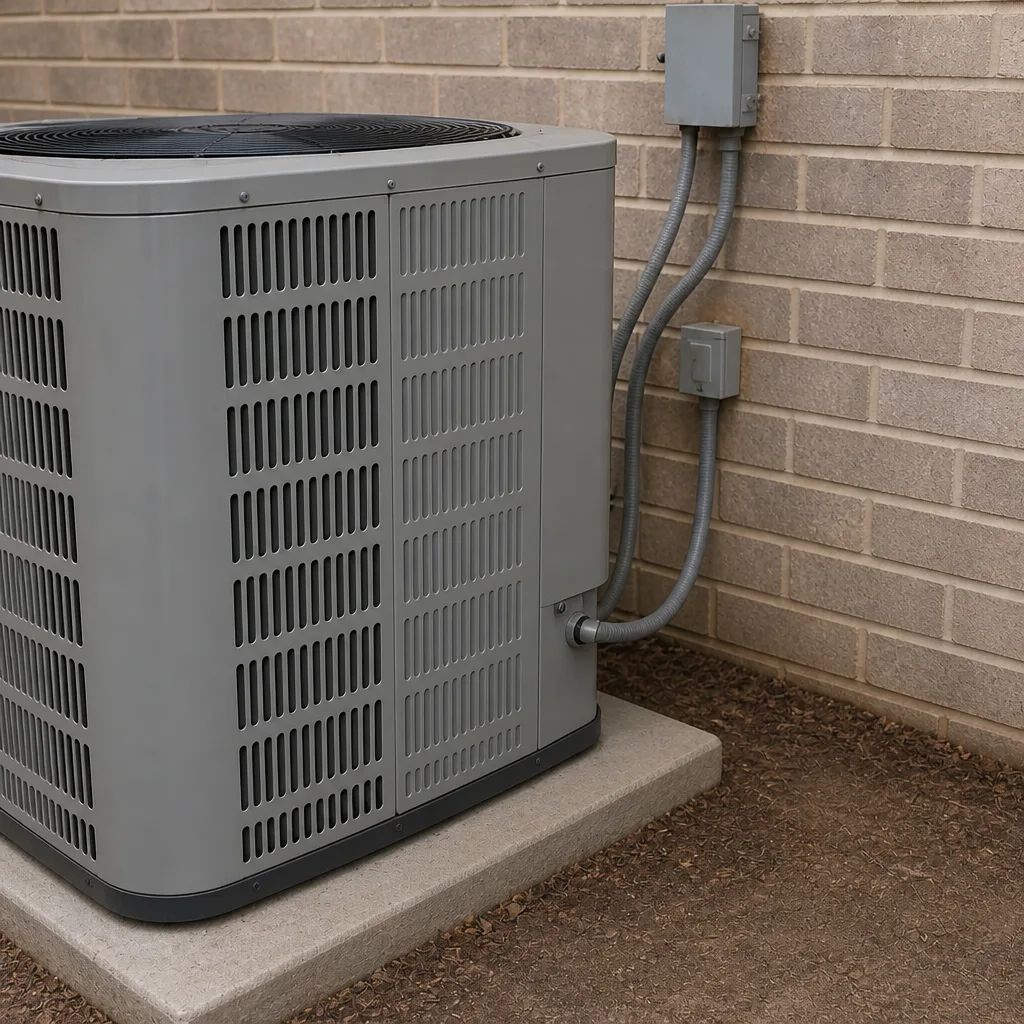
Stand near the outdoor condenser and listen. If you hear the compressor humming but the top fan isn’t spinning, or the fan is spinning but the air blowing off the top is room temperature instead of warm, that tells the technician a lot. If you hear clicking, grinding, or nothing at all, note it. Do not open the electrical panel on the outdoor unit. Capacitors and line voltage inside are dangerous, and that’s the kind of work that belongs to a trained professional, not to a homeowner in the middle of a heat event.
Once you’ve walked these four checks, you can describe your system in a way a dispatcher can actually use: “Thermostat is displaying, breaker is fine, blower is running, but the outdoor fan isn’t spinning.” That one sentence shortens a diagnosis by a meaningful margin.
Plano Heat Emergency Resources and Cooling Centers
When the house genuinely isn’t safe to stay in during a heat event, the answer isn’t a slower repair – it’s getting your household to a place with working cooling. Plano and Collin County operate cooling resources during heat emergencies, and knowing where they are before you need them is the whole point of this guide.
The City of Plano and Collin County publish current cooling center locations and hours during heat events. Libraries, recreation centers, and community facilities commonly serve as cooling stations. Because schedules and locations shift with each event, check the City of Plano and Collin County pages for the current list rather than relying on any single address – the last thing you want is to drive across the metroplex to a closed facility.
Some households are at much higher risk in a Plano heat event than others:
- Older adults, particularly those living alone, are slower to feel and respond to heat, and some medications blunt the body’s ability to regulate temperature.
- Infants and young children have a much higher surface-area-to-body-weight ratio and heat up faster than adults do.
- Pets, especially flat-faced breeds, older animals, and any pet left indoors with limited water, can decline quickly in a house that reaches the high 80s or 90s.
- People with chronic illness, mobility limitations, or without reliable transportation often can’t easily leave for a cooling center and need a neighbor or family member to check on them.
If anyone in your household falls into those groups and your indoor temperature is climbing past the mid-80s, treat relocation as the correct call, not a last resort. A repair can wait until tomorrow. Heat illness can’t.
What to Have Ready Before You Call for Help
The single biggest time-saver when your AC fails is having your system’s information in hand before you dial. A dispatcher who knows your equipment, your symptoms, and your access situation can send the right technician with the right parts to your first appointment. A dispatcher working blind sends a general call and hopes.
Have these things ready before you call:
- Model and serial number of both the indoor and outdoor units. The rating plate is usually on the side of the outdoor condenser cabinet and inside the access panel of the indoor air handler. Snap a photo of both plates with your phone now, before summer, and keep the photos in an album you can find in seconds.
- The brand name. Whether your system is a Bryant, an American Standard, a Daikin, or another make, tell the dispatcher up front. We service equipment from all nine of the major residential brands we’re trained on, so there’s no need to worry whether your system is “covered.”
- A clear symptom description. “No cool air, outdoor fan not spinning, breaker not tripped” is worth ten minutes of an eventual visit. Avoid vague language like “it’s just not working right.”
- Your thermostat reading and any fault code. The code is the fastest route to the right diagnosis.
- Access details. Is the outdoor unit behind a locked gate? Is the air handler in an attic with a narrow scuttle? Is there a dog in the yard? Note these up front.
- Your correct service address and gate or door code, if relevant, along with a phone number you’ll answer.
If you’ve done those steps, you’re ready to call. Call (833) 488-8546. We answer 24/7. Fast dispatch from 7am to 7pm, Sunday through Friday. The estimate is free, and the price is set per job by the written estimate.
Emergency Call or Wait Until Morning?
Not every AC failure is an emergency, and knowing the difference protects both your household and your wallet. The rule of thumb: if the house is going to become unsafe for anyone in it before morning, call now. If it’s going to be uncomfortable but not dangerous, you can plan for a first-thing appointment.
Call for emergency service tonight if any of the following is true:
- Anyone in the home is elderly, an infant or young child, or has a medical condition that heat worsens.
- Indoor temperature is heading above the mid-80s and still climbing.
- Anyone is showing signs of heat illness – confusion, nausea, headache, rapid pulse, or skin that’s hot and dry or cold and clammy.
- Pets that can’t cool themselves are in the house with no cooler option.
- You smell burning, see smoke, or hear electrical arcing at the equipment. Shut the system off at the breaker and call.
You can usually wait until morning if:
- Outdoor temperatures are forecast to drop overnight into the 70s, and opening windows will cool the house.
- Everyone in the household is healthy, mobile, and has a way to get cool if the house warms up.
- The failure is partial – say, the system is weak but not dead – and no one is at risk.
We answer 24/7. A call outside dispatch hours is booked into the next opening, Sunday through Friday, 7am to 7pm. The price is set per job by the written estimate, and it doesn’t go up because you called at a particular time.
Keeping a Home Livable Without AC in Plano Heat
Once the call is in, your job shifts to buying time. A Plano home without AC in July or August needs active cooling management, and the approach is different from what works in a milder climate. There’s no basement to retreat to here, so you work with the space you have.
What actually moves the needle, ranked by impact:
- Cover the west-facing glass. Late afternoon sun through west windows is the biggest single heat load in most Plano homes. Close blinds, or hang a light-colored sheet over the window if you don’t have blackout coverings.
- Run a box fan in a window at night once outdoor air drops below indoor air. Draw cool air in from one side of the house and exhaust warm air from the other. This is the single most effective move after sun goes down.
- Use a cool shower or damp cloth on the back of the neck and wrists. Evaporative cooling at the skin works quickly, and it’s the same trick hikers use on trail.
- Drink water on a schedule, not on thirst. Thirst lags behind dehydration – especially in older adults – and setting a reminder to drink is a real intervention.
- Keep the freezer door closed. A freezer full of frozen food holds cold for hours; every open-and-close cycle wastes some of it. Have ice packs or frozen water bottles ready in case you need them.
- Move activities to the coolest room. Ground floor, interior walls, shaded side of the house. Sleep there if you have to.
What doesn’t work, despite the folklore: opening the house up during the day (that pulls in 100-degree air), running the oven or dryer, and running the system repeatedly hoping it’ll catch. If the system isn’t cooling, running it more doesn’t help and can do real damage if the compressor is the problem. Shut it off and wait for the technician.
Building Year-Round Preparedness Before Summer Arrives
The best HVAC emergency is the one you prevent in April. Preparedness for a Plano household is mostly about knowing your system, keeping it serviced, and having a plan in place for the years when the system reaches the end of its life.
A realistic preparedness checklist looks like this:
- Get a spring tune-up. A cooling-season inspection catches the small problems – low refrigerant, a failing capacitor, a dirty coil – before they become a no-cool mid-July failure.
- Change the filter on schedule. In a Plano summer, that’s often every 30 to 60 days depending on the household. Dirty filters strain blowers and reduce airflow, and they’re a leading cause of avoidable failures.
- Photograph your equipment plates. Model and serial for both units. Save them to a cloud album.
- Know your thermostat codes. Read the manual once. Knowing what your system is telling you shortens every future call.
- Have a plan for the vulnerable. Identify which household members and pets need relocation first if cooling fails, and where they’d go.
- Plan for replacement before the system dies on the hottest day of the year. When a system is pushing 15 or 20 years old and needing repairs each season, an AC installation done on your schedule beats a scramble during a heat event. We give brand-neutral recommendations – the right equipment for your home, not the most profitable unit on a shelf – and we install and service the major brands Plano homes actually have, from York to Daikin, Bryant to American Standard.
Year-round HVAC, one number to call, is the whole idea. When the furnace starts acting up in January or the AC fails in July, the same contact handles it. That’s what Plano homeowners get from a single call instead of juggling contractors across seasons.
When to Call a Professional
Some HVAC problems are genuinely DIY-friendly: a thermostat battery, a filter change, a tripped breaker that stays reset. Most aren’t. Call a professional when the system is showing electrical symptoms (burning smell, repeated breaker trips, arcing), when refrigerant is involved (frost on lines, ice on the coil), when the compressor or outdoor unit is the suspect, or when the failure is leaving your home without cooling in a Plano heat event.
Safe-to-wait problems still benefit from a technician sooner rather than later. A system that’s limping along in June is far more likely to fail in August. Our technicians have up to 15 years of experience and are factory-trained on the major brands, so they know your system before they arrive. We also handle furnace repair, so the same relationship carries into winter.
Benchmark AC Repair offers free estimates in Plano – call (833) 488-8546. When it’s a repair, we’ll give you the right fix, not the fastest upsell. When it’s a replacement, we’ll give you a brand-neutral recommendation and a written fixed price. Precision over promises.
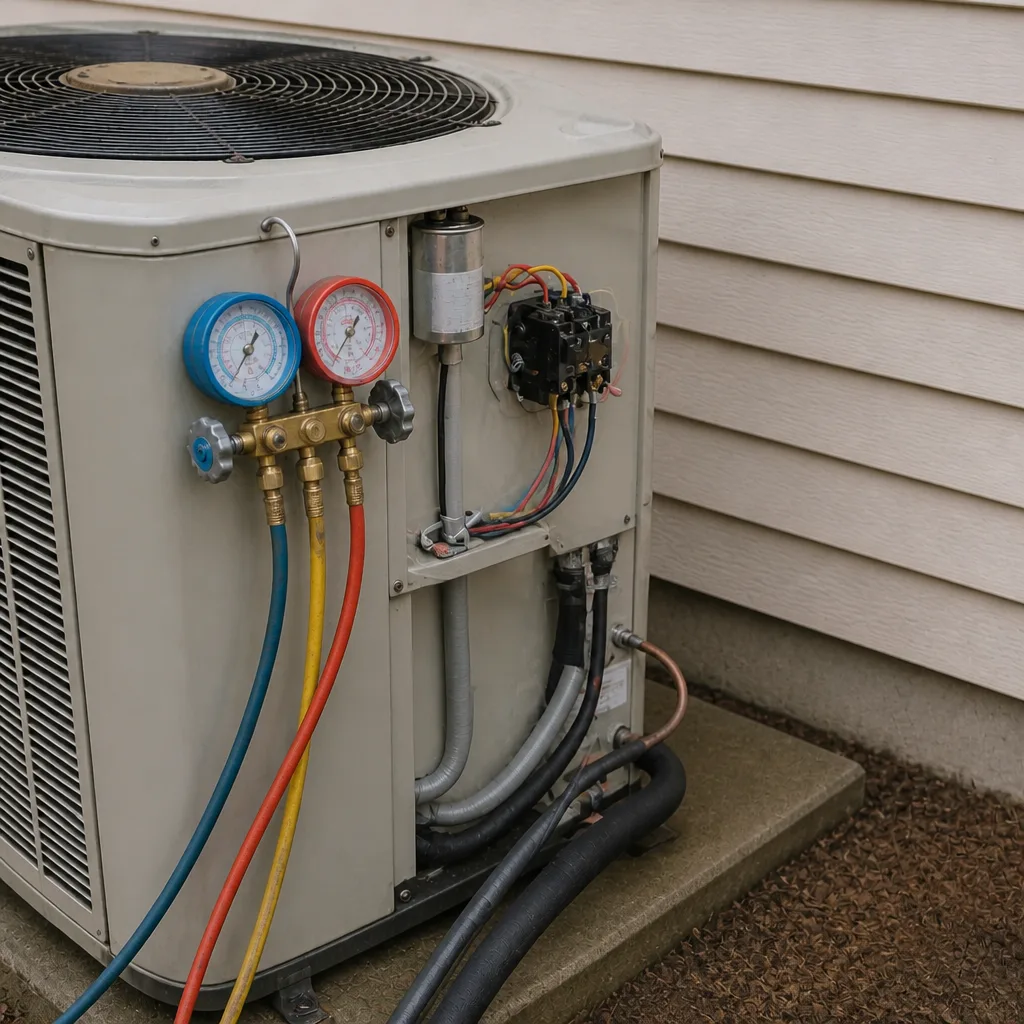
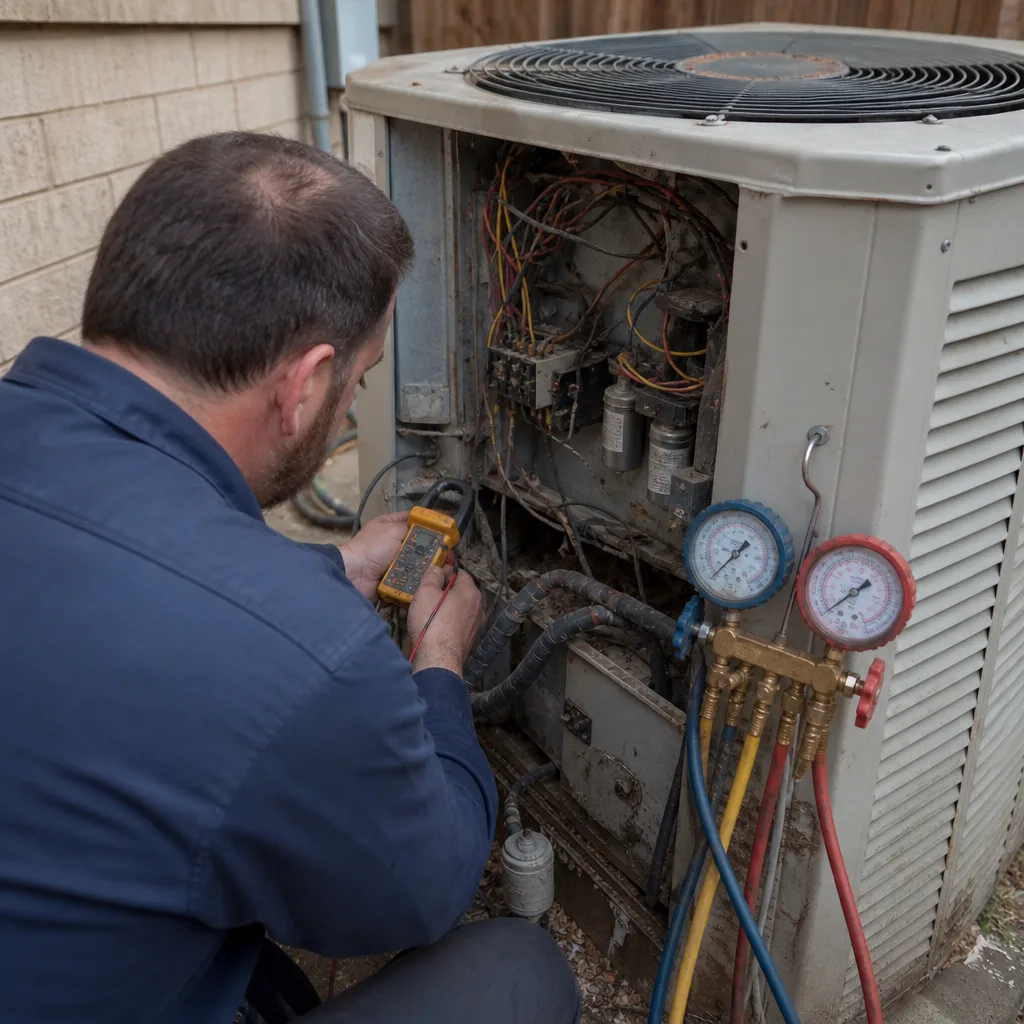
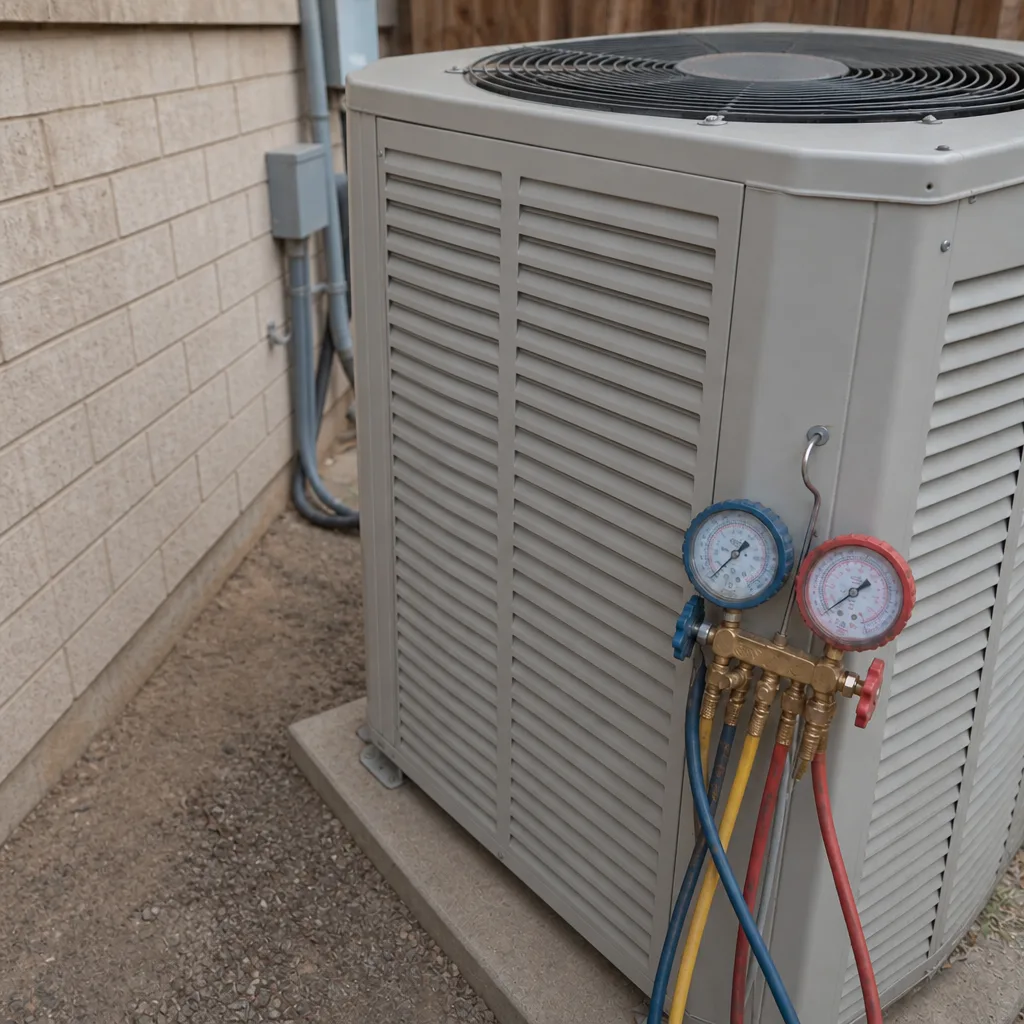
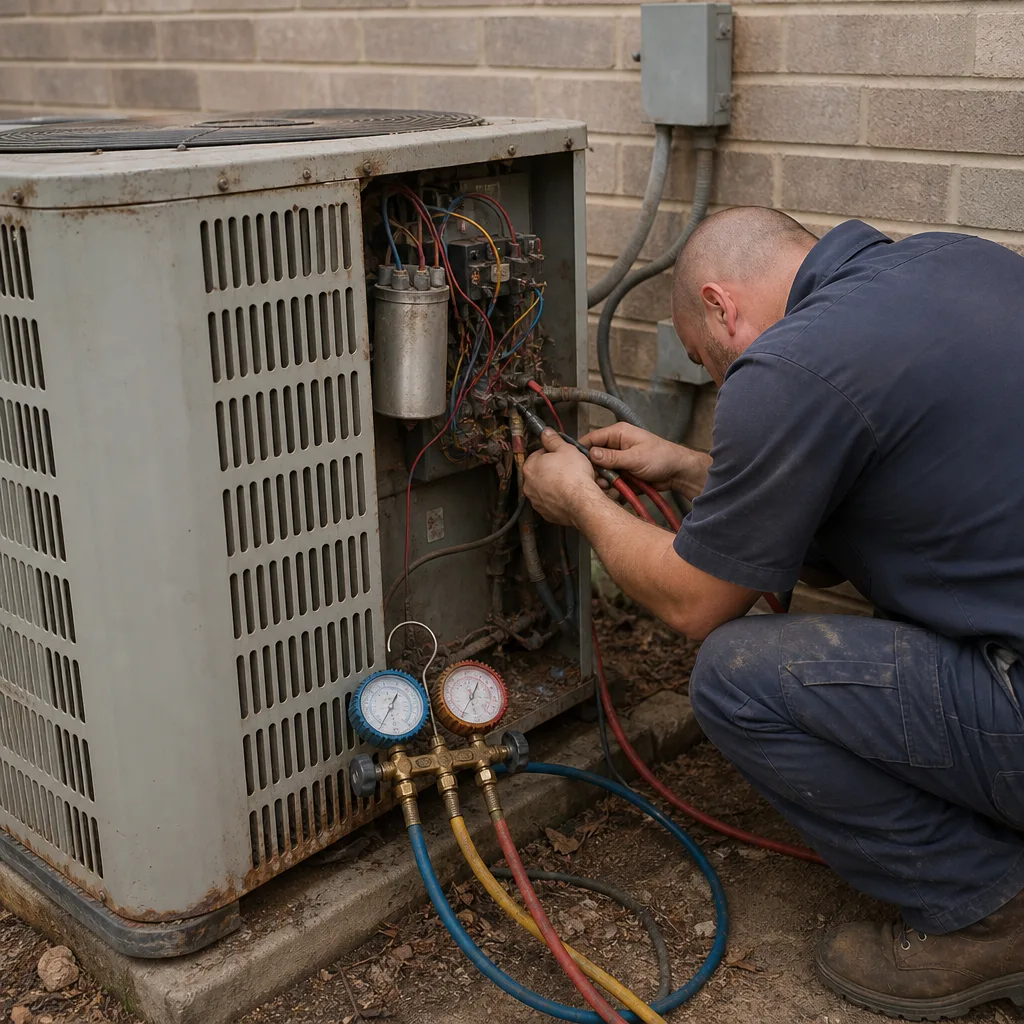
See the difference
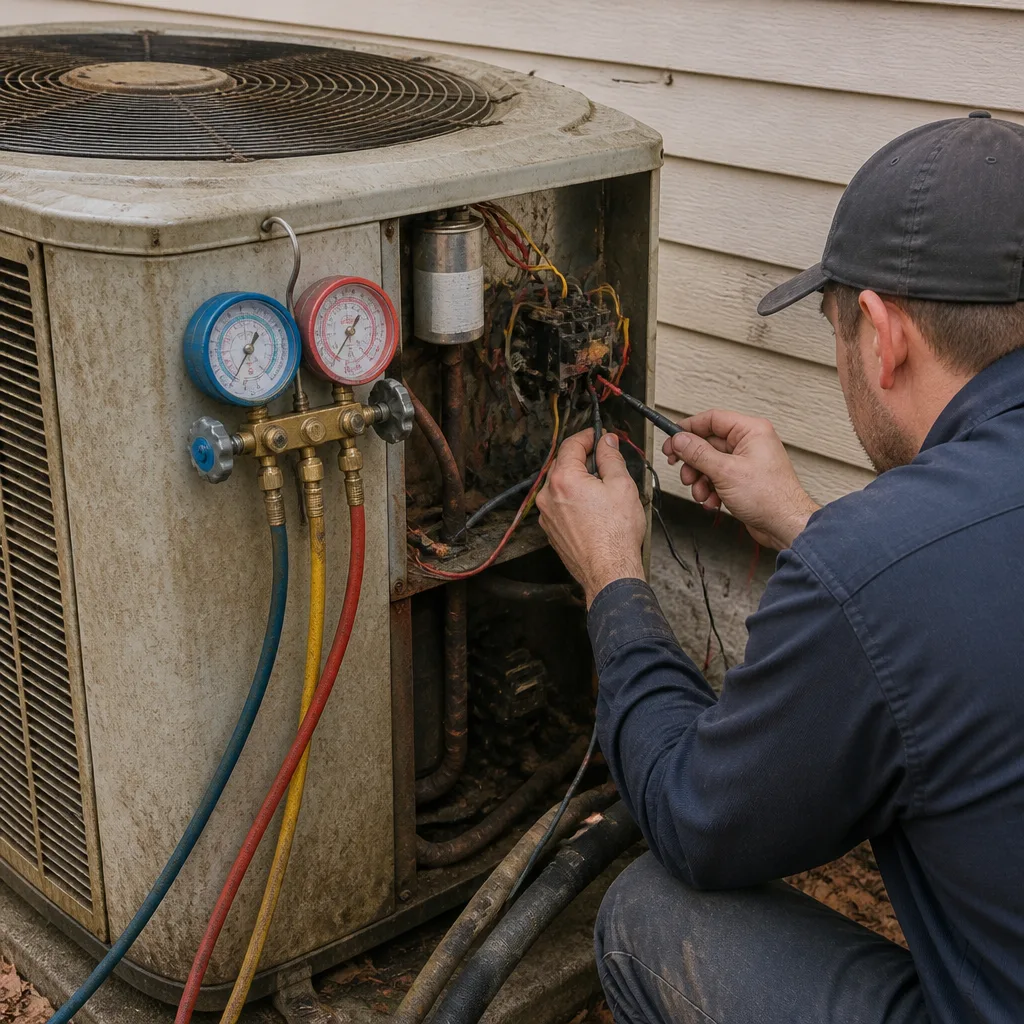 Before
 After
 Before
 After
 Before
 After
Frequently Asked Questions
Close the house up, cover west- and south-facing windows, run fans, turn off heat-generating appliances, and gather the household into one cooler room. Check on elderly family members, young children, and pets first. Then walk through the thermostat, breaker, air handler, and outdoor unit checks so you can give a dispatcher accurate information when you call – that’s the step that shortens the eventual repair.
In a Plano July or August, indoor temperatures can climb into the mid-90s within a few hours of system failure, particularly in the afternoon when outdoor temperatures peak. West-facing rooms heat up fastest. If the indoor temperature is heading past the mid-80s and anyone is vulnerable, that’s the point to evaluate cooling centers or another temporary location rather than waiting it out.
During heat events, the City of Plano and Collin County publish current cooling center locations and hours – libraries, recreation centers, and other public facilities commonly serve in that role. Check the city and county pages for the live list, because locations and hours change with each event. Plan the route once, before you need it.
You can reset a tripped breaker once – flip it fully to OFF and then back to ON. If it trips again within minutes, stop. A breaker that trips repeatedly is telling you something inside the system is drawing too much current, and continuing to reset it can damage equipment or create a fire risk. That’s the point to call a professional and describe exactly what happened.
Usually no. If the outdoor fan isn’t spinning or the system is running but not producing cool air, continuing to run it can stress the compressor or freeze the indoor coil, turning a small repair into a big one. Shut the system off at the thermostat, leave the fan in ON if that keeps air moving through the house, and call for service. A technician rather than a running system will tell you what’s actually wrong.
Model and serial numbers for both the indoor and outdoor units, the brand name, a clear symptom description, your thermostat reading and any fault codes, access details, your service address, and a phone number you’ll answer. Call (833) 488-8546. We answer 24/7. Fast dispatch from 7am to 7pm, Sunday through Friday. Estimates are free.
Common Mistakes to Avoid
- Opening windows and doors during the hot part of the day. It seems like it should help, and it does the opposite – a Plano afternoon can push 100-degree air into a house that was previously 88. Save ventilation for after sunset, when outdoor air drops below indoor air.
- Resetting a tripped breaker more than once or twice. A breaker that trips repeatedly is warning you about a deeper issue. Third reset is pushing your luck; call instead and describe the pattern.
- Running the system when you know the outdoor fan isn’t spinning. You’ll stress the compressor and make the eventual fix larger. Shut it off and let it cool until the technician arrives.
- Waiting to call because you’re worried the call itself will be expensive. Estimates are free, and the price is set per job by the written estimate. Delaying a call because of a cost guess is the mistake, not the call.
- Leaving vulnerable family members in a house that’s climbing past the mid-80s. Older adults, infants, and pets are the highest-risk groups in a heat event. Move them to cooling resources before a repair is even on the schedule.
- Calling without the model and serial numbers. A dispatcher working blind sends a general call. A dispatcher who knows your equipment sends the right technician with the right preparation.
- Skipping the spring tune-up and hoping for the best. The most expensive AC failures in Plano are the ones that announce themselves in April and got ignored until July. A cooling-season inspection is cheap insurance against a mid-heat-event emergency.
The Bottom Line
An AC failure in a Plano heat event is a two-phase problem: stabilize the household first, then support the repair. The households that manage it best do three things: they protect vulnerable family members early, they know exactly what to check so the call to a dispatcher is precise, and they have the system’s information on hand before summer arrives. When the equipment is a repair candidate, call for AC repair promptly. When it’s replacement time, plan it on your schedule rather than in a crisis. Keep the number saved, keep the model plates photographed, keep the filters changed. Everything else, we’re here for.
Call (833) 488-8546 for a free estimate. We answer 24/7. Fast dispatch from 7am to 7pm, Sunday through Friday.
Written by the team at Benchmark AC Repair.