
Last updated November 14, 2026
 AC repair
 Furnace & heating
 Heat pumps
 Ductless mini splits
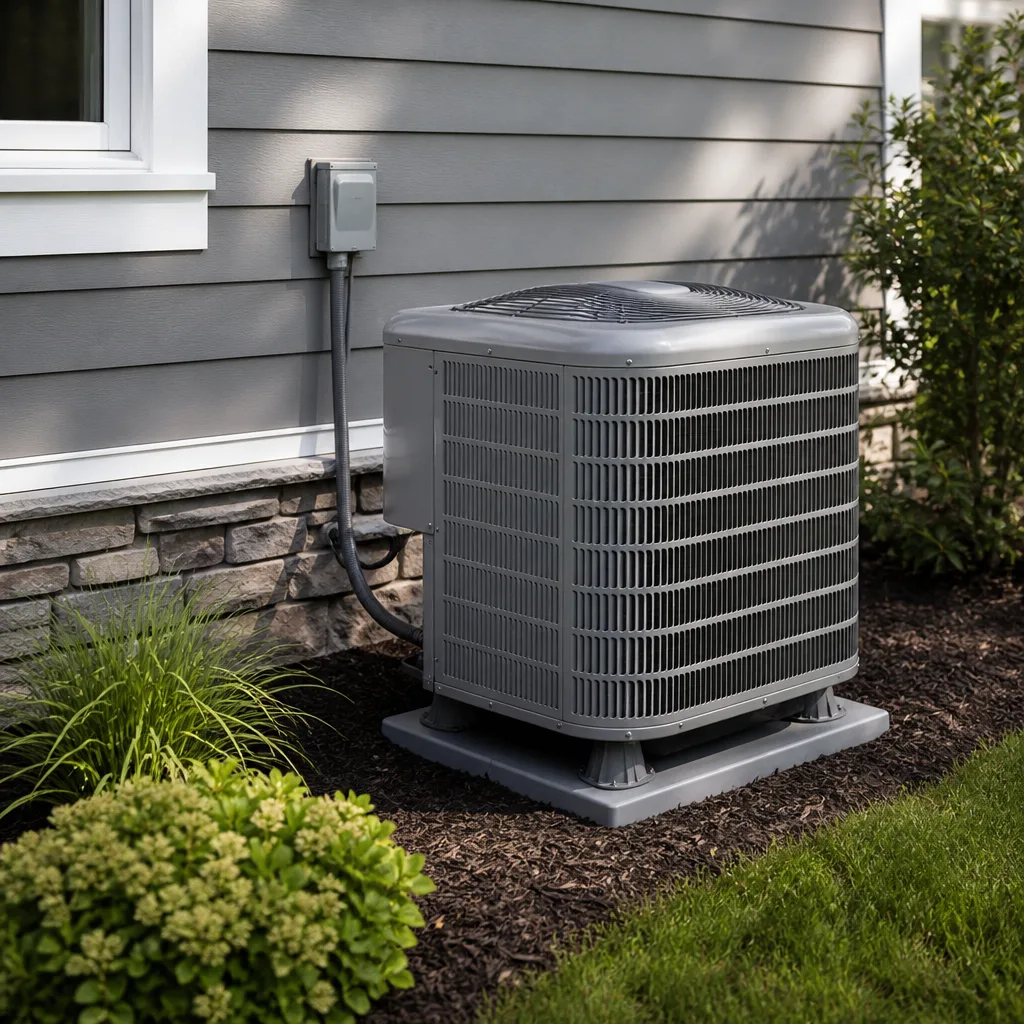 Carrier
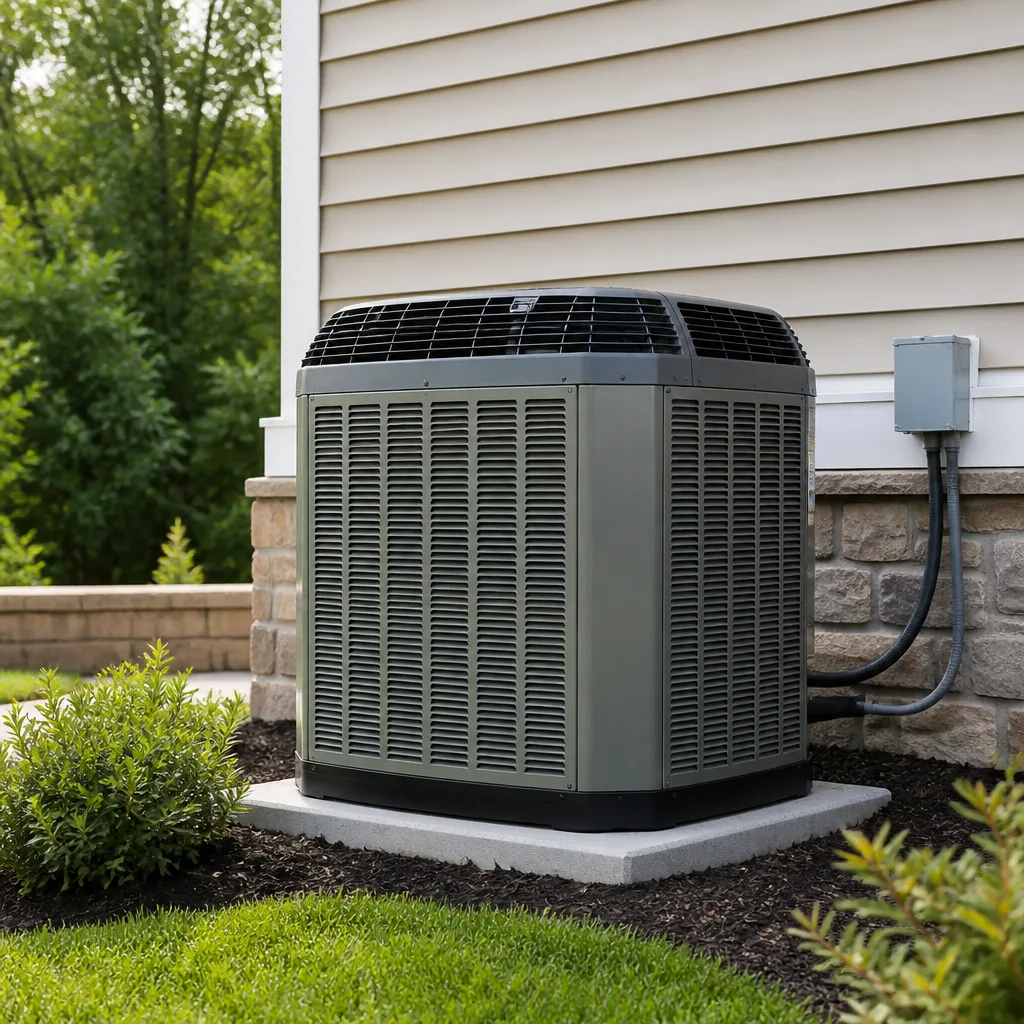 Trane
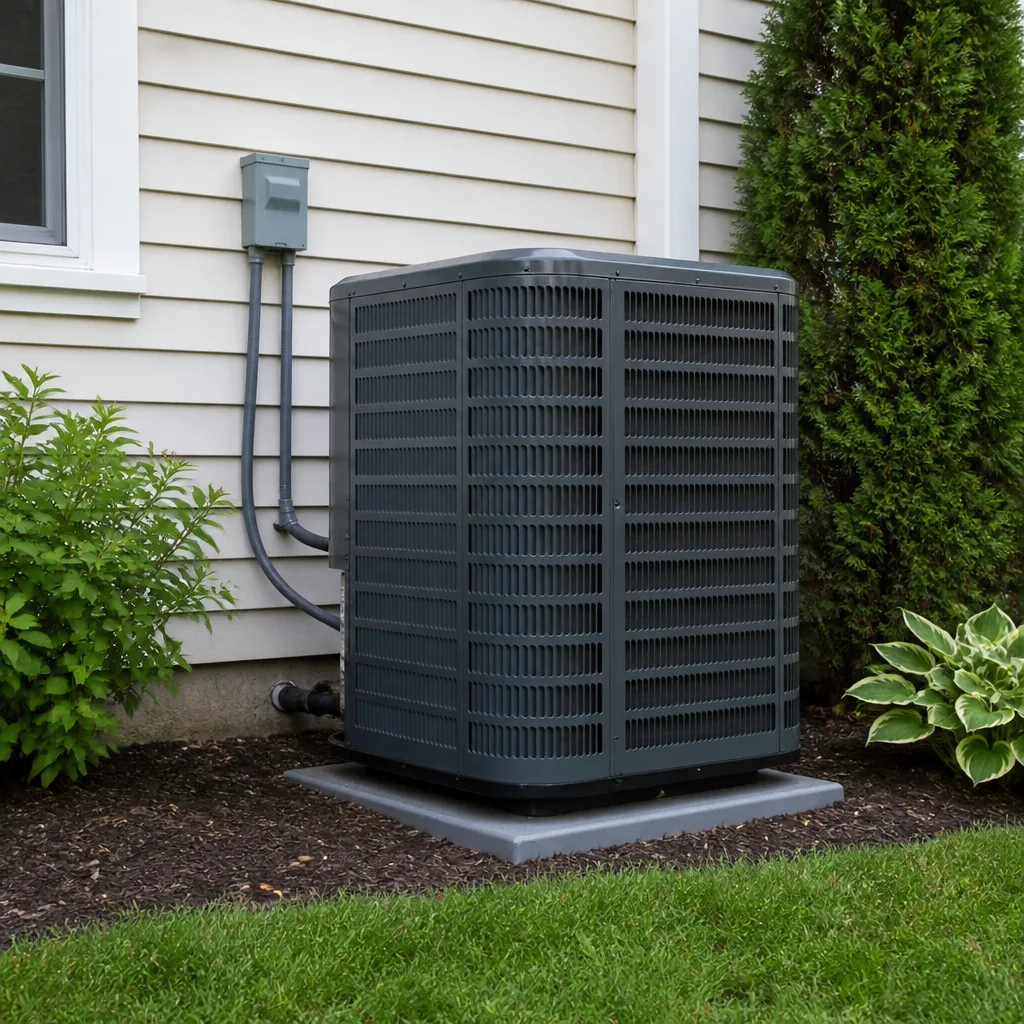 Goodman
Seasonal tune-up and full diagnostic on your Carrier, Trane, or Goodman system - readings shown to you before any repair is proposed
Diagnosis first, numbers second - you approve the repair price before a single part goes in.
Get your free estimateChoosing the Right HVAC Brand: A Buyer’s Guide for Plano
Ask ten homeowners which HVAC brand is best and you’ll get ten confident answers, most of them based on nothing more than what’s already sitting in the garage. Here’s the part the marketing brochures skip: the brand name on the outdoor unit tells you less about how long your system will last than the quality of the install, the accuracy of the sizing, and whether your technician can get parts for it when something fails. In Plano, where summers run long and hot and winter still shows up with a cold snap or two, those three factors decide whether you’re cooling comfortably for years or chasing repairs. This guide walks through what actually matters when you’re choosing an HVAC brand, and what the comparison charts leave out.
Quick Answer
The “best” HVAC brand for a Plano home is the one your most trusted local technician services most often, backed by a supplier network that can get parts quickly, installed in the correct size and tier for your house. Carrier, Trane, Lennox, Goodman, Rheem, York, Daikin, Bryant, and American Standard all make reliable equipment in the right application. What separates a good outcome from a bad one in Plano is the installer’s workmanship, accurate load calculation, and whether parts are stocked nearby when you need them.
Styles & brands we work with
- AC repair
- Furnace & heating
- Heat pumps
- Ductless mini splits
- Carrier
- Trane
- Goodman
Table of Contents
- Why brand reputation ranks fourth, not first
- Parts availability in Collin County: the factor nobody talks about
- Why “brand name” alone tells you nothing: understanding tier structures
- Reading manufacturer warranty terms honestly
- Premium efficiency math in Plano’s utility rate environment
- Serviceability: choosing a brand your technician can actually fix
- How to evaluate an HVAC brand before you buy
- Common mistakes to avoid
Why brand reputation ranks fourth, not first
Every brand comparison article you’ll find online treats the brand as the primary decision. In practice, three other factors matter more, and they’re all about the install and the local ecosystem around your equipment:
- The installer’s workmanship. A properly brazed line set, a clean nitrogen purge, correct refrigerant charge, and a plenum that’s sealed and sized right are the difference between a system that hits its rated efficiency and one that never gets close. A premium brand installed sloppily underperforms a mid-range brand installed carefully.
- Accurate sizing. A Manual J load calculation based on your specific home, not a guess from the square footage, determines whether your system runs long enough cycles to remove humidity in a Plano summer and whether it short-cycles in the shoulder months. Oversized equipment is the single most common cause of early failure we see.
- Parts availability. When a capacitor, contactor, blower motor, or control board fails, how fast can the part be in your hand? That depends on whether the brand has a strong distribution relationship in Collin County. A premium brand with a weak local pipeline can leave you waiting days. A common brand with a stocked distributor down the road gets you fixed the same day.
The brand name matters, but it’s the fourth factor. It determines feature set, average reliability, and warranty terms. It does not determine whether your system is sized correctly, whether the install was clean, or whether a motor is available when it fails. Any honest conversation about HVAC brand in Plano has to start there.
Parts availability in Collin County: the factor nobody talks about
The most underrated factor in brand selection is how quickly your technician can source a replacement part. Every HVAC brand has a supply chain, but the supply chain looks different in North Texas than it does on a national sales chart. What matters locally is simple:
- Which brands have strong distributor relationships in the Dallas-Collin County market. Carrier, Trane, Lennox, Goodman, Rheem, York, Daikin, Bryant, and American Standard all have manufacturer-authorized distributors or strong independent dealers serving this region. Some of those pipelines are deeper than others, and a good local technician knows which ones.
- Which parts are commonly stocked on shelf versus ordered in. Motors, capacitors, contactors, ignitors, flame sensors, and most control boards for common models often sit on a distributor’s shelf. Compressors, coils, and proprietary variable-speed components are usually ordered in for any brand.
- How long a typical part order takes. Routine orders from a regional distributor might arrive the next day; specialized parts from a manufacturer’s central warehouse can take longer, especially in the peak of a Plano summer when every truck in the region is looking for the same components.
Here’s where this matters in practice: two brands can be equally reliable on paper, but if one has its parts sitting on a shelf forty minutes away and the other has to ship a motor in from out of state, the practical difference in your experience of a breakdown is enormous. That’s not a knock on either brand. It’s a statement about the local distribution network, and it’s something you can ask a technician about before you buy. Any honest answer will name specific distributors and specific brands.
Goodman and Rheem, for example, are common enough in Plano neighborhoods that most technicians know where to source their parts quickly. Lennox and York have their own regional networks that function well when you’re working with a technician who knows them. The point isn’t that one is better. The point is that the question “how fast can you get this part?” is at least as important as “which brand has fewer failures?”
Why “brand name” alone tells you nothing: understanding tier structures
This is the single biggest source of confusion we run into when homeowners compare quotes. Almost every major HVAC brand sells its equipment in two to four tiers, and the marketing materials use the brand name for all of them. A quote for “a Carrier” or “a Trane” or “a Lennox” or “a Rheem” or “a Daikin” is not a comparison unless you know which tier is on the invoice.
Here’s how the tiers generally structure, using the same pattern across all major manufacturers:
- Entry tier. Single-stage or basic two-stage equipment, standard features, typically the shortest warranty coverage on parts. These are the units that make a quote look unbeatable. They’re fine for many homes, especially in a rental or a modest single-story. They just need to be compared to the same tier from another brand, not to a premium unit.
- Mid tier. Two-stage compressors, better sound ratings, sometimes an ECM blower, better warranty terms. This is often the sweet spot for a Plano homeowner who plans to stay in the house through a couple of system lifecycles.
- Premium tier. Variable-speed or fully modulating equipment, top-tier sound ratings, higher efficiency ratings, the longest warranty terms. Justified when the home has specific comfort complaints (uneven upstairs, high humidity, a wide glass wall) or when the homeowner plans to stay a very long time.
When you get three quotes for “a Carrier system” and one is thousands less than the others, you’re almost certainly comparing tiers, not brands. Ask to see the model number on every quote. Then ask which tier it belongs to. A spec sheet on the manufacturer’s own website will tell you. Any honest installer will be glad to walk you through it.
This is one reason we hold to brand-neutral recommendations at Benchmark. It’s easy to steer a homeowner toward the equipment a dealer has the most incentive to move. It’s harder, and more useful, to compare the actual model numbers across brands at the same tier and let the homeowner choose from an apples-to-apples field.
Reading manufacturer warranty terms honestly
Warranty language is where manufacturers are at their most creative. A few terms you’ll see on almost every spec sheet, and what they actually mean:
- “10-year parts limited warranty.” Covers most parts for ten years, usually excluding labor. Labor is billed separately at the technician’s normal rate, which is often the bigger cost on a repair. The word “limited” is doing a lot of work here: read the exclusions, especially the ones for refrigerant, filters, drain pans, and damage from power surges.
- “Limited lifetime” on the compressor or heat exchanger. Sounds generous, and often is, but usually applies to the original purchaser, is nontransferable to a second owner, and requires that the equipment was registered at install. A unit that was never registered may drop to a shorter warranty window. If you’re buying a home in Plano with a system under warranty, that registration matters.
- Registration requirements. Many manufacturers require the installation to be registered with them within a short window after install, and often require installation by a certified dealer, to activate the full warranty term. If the warranty book in the drawer doesn’t have a registration confirmation, that’s a conversation to have before you close on the house.
- What’s never covered. Almost every warranty excludes labor, refrigerant, filter changes, coil cleaning, and damage from misuse or power surges. We recommend adding a surge protector at the disconnect for any new install in North Texas; a summer storm that takes out the control board is a routine call, and it isn’t a warranty claim.
The right warranty is the one you understand before you sign. Ask the installer to walk through the actual warranty document, not the brochure. Any hesitation on that question is a signal.
Premium efficiency math in Plano’s utility rate environment
Higher SEER ratings cost more. The question is whether the extra efficiency pays back within your ownership horizon. In Plano, the math depends on a few measurable factors:
- How much of your bill is actually cooling. In a Plano summer, cooling is the dominant line item on most residential electric bills. Two-story homes with west-facing glass and older windows carry a higher cooling load than an insulated single-story. The higher the cooling load, the more of a SEER upgrade’s delivered savings you actually capture.
- How you use the house. A retired couple who sets the thermostat at 78 during the day captures very different savings than a family running the system hard through July and August. A variable-speed unit that runs long cycles at low capacity in the shoulder months captures more of its rated efficiency than a single-stage unit that cycles on and off.
- The efficiency of what you’re replacing. A 10-SEER unit from the 2000s is a very different starting point than a 14-SEER system from a few years ago. The gap determines the savings.
The honest answer is that a premium-efficiency upgrade pays back most quickly for homeowners with a high cooling load, a long ownership horizon, and an old system as the starting point. It pays back slowly or not at all for a homeowner in a well-insulated single-story planning to sell in three years. Neither answer is universal. Any installer who tells you a premium unit pays back for everyone is selling, not calculating.
Two other practical considerations: the highest-efficiency equipment often requires specific matched indoor and outdoor components, so pairing a premium outdoor unit with a builder-grade air handler erases most of the efficiency gain. And high-efficiency units can be more demanding to service, so technician familiarity with the specific model is worth asking about before you commit. The right AC installation starts with a proper load calculation, and the SEER decision comes after, not before.
Serviceability: choosing a brand your technician can actually fix
Here’s the argument for brand-agnostic service capability that no manufacturer is going to make for you. If the technician you trust can’t service the brand you choose efficiently, you pay for that gap on every repair for the life of the system. That gap shows up in three places:
- Diagnostic speed. A technician who works on a given brand regularly knows its failure patterns, its control sequences, and its quirks. The same technician on an unfamiliar brand has to consult documentation and reason from scratch. That’s not a knock on anyone’s skill, it’s the simple reality of frequency.
- Parts sourcing. A technician with established distributor relationships for a brand can name the source and the lead time. The same technician on a brand with which they have no relationship has to start from zero, and that slow path shows up as delay.
- Access to manufacturer service bulletins and technical support. Every manufacturer publishes service bulletins when a specific failure pattern shows up. A technician who services that brand often is on those lists. A technician who sees the brand twice a year is not.
This is why we’ve built certification across nine major brands at Benchmark: Carrier, Trane, Lennox, Goodman, Rheem, York, Daikin, Bryant, and American Standard. Not because any single one of them is the “right” brand, but because the homeowner’s right brand is whatever system is already in their home, or whatever best fits their house and budget. Whatever brand you choose, ask your technician how often they actually work on it. If the answer is “rarely” or “not our line,” you’ve found a serviceability risk that will show up over the lifespan of the equipment.
How to evaluate an HVAC brand before you buy
This is the practical sequence we recommend for any Plano homeowner comparing brands:
- Start with a load calculation, not a brand brochure. Any contractor recommending a system should perform a Manual J load calculation based on your specific home, not a rule of thumb from the square footage. Without it, no brand comparison means anything.
- Ask for three quotes with model numbers visible. Model numbers, not brand names. Different tiers of the same brand vary as much as different brands, so compare the actual equipment.
- Ask each contractor which brands they service most often, and how they source parts locally. The answer tells you more about the practical experience of owning that brand than the spec sheet does.
- Read the actual warranty document. Not the brochure. The registration requirements, labor exclusions, and coverage limits matter more than the length of the term on the front page.
- Compare efficiency in the context of your cooling load, not the sticker. If you’ve got a high cooling load and a long-term plan in the house, premium efficiency is worth the math. If not, the base or mid tier may be the better value.
- Ask who will service it after the sale. The contractor who installs the system may not be the one who shows up when it fails. If your chosen service company doesn’t support the brand, that’s a real cost over the life of the unit.
Notice that only step five is about brand. The rest are about the contractor and the install. That ratio is the point of this whole guide.
Common Mistakes to Avoid
- Comparing brand names instead of model numbers. Two quotes can both say “Trane” or “Carrier” and represent completely different tiers of equipment. Insist on model numbers on the written estimate, or you’re comparing a brochure to a brochure.
- Choosing the brand with the biggest local ad spend. Heavy local marketing doesn’t correlate with parts availability in Collin County or technician familiarity. Ask your technician which brands they service most often before you take a dealer’s word for it.
- Assuming higher SEER always pays back. In a well-insulated single-story Plano home with a short ownership horizon, a mid-tier unit often beats a premium one on total cost. The SEER calculation depends on load, ownership length, and what you’re replacing.
- Skipping the load calculation. A load calculation isn’t optional on a replacement. A contractor who sizes from the old unit’s nameplate or from the square footage is rolling dice on your comfort. Oversized equipment short-cycles, fails to remove humidity in a Plano summer, and wears out faster.
- Ignoring the warranty registration window. Many manufacturers require the installation to be registered within a short window after install to activate the full parts warranty. Miss it and you lose years of coverage. Ask for a copy of the registration at handoff.
- Choosing a brand your service technician can’t source parts for. The cost of a brand with thin local distribution is not on the invoice at install. It shows up on the day something fails and you wait for a part to ship in from out of state.
- Pairing a premium outdoor unit with a builder-grade indoor unit. The manufacturer matches these components for a reason. Mismatched equipment loses much of its rated efficiency and often shortens equipment life.
See the difference
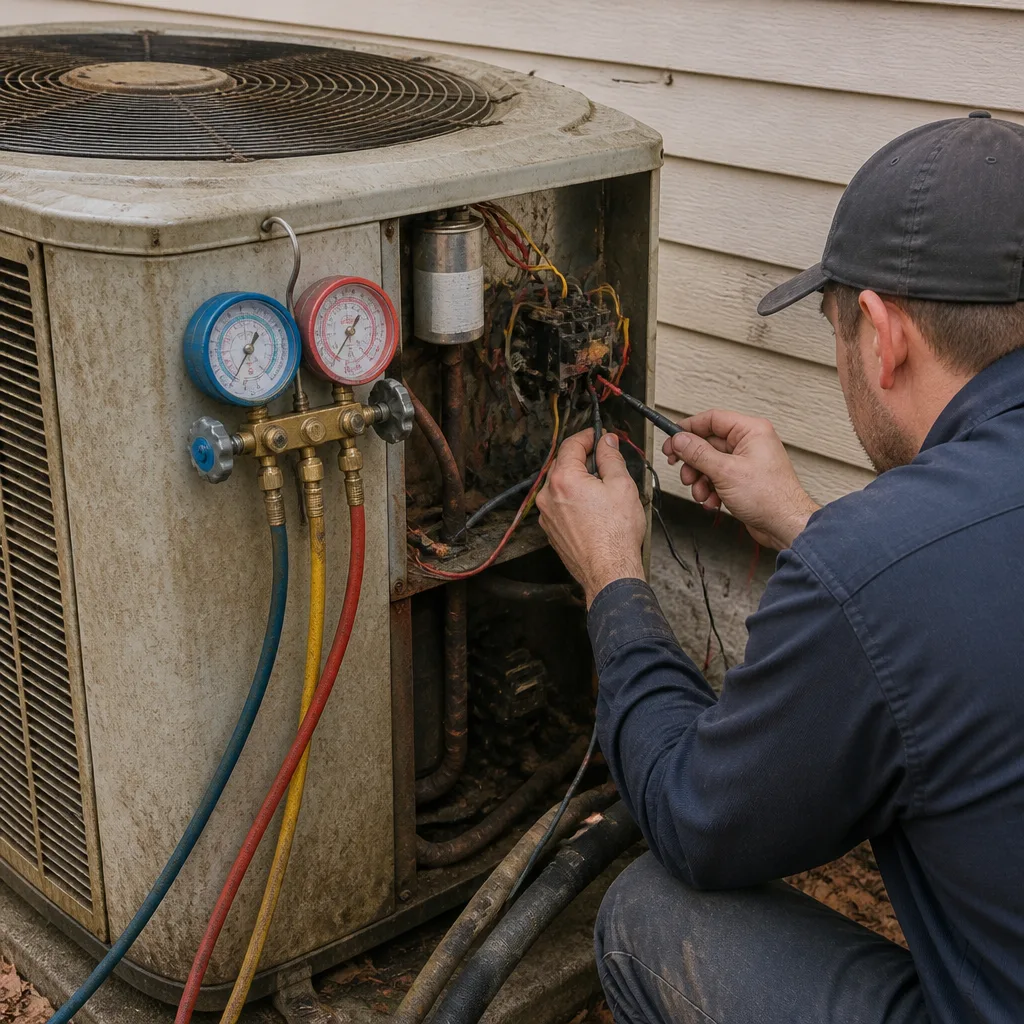 Before
 After
 Before
 After
 Before
 After
When to Call a Professional
Brand comparison is the right conversation before you buy. It’s the wrong conversation in the middle of a failure. If your AC isn’t cooling, your furnace isn’t heating, or your system is short-cycling and not keeping up, that’s a diagnostic and repair call, and the fix comes first. Same for a system that’s more than a decade old and into its second or third significant repair season, which is the point where brand selection returns to the table with the load calculation and the tier decision. We service equipment from Carrier, Trane, Lennox, Goodman, Rheem, York, Daikin, Bryant, and American Standard, so the diagnosis starts from familiarity with your system rather than a callback. For AC repair or furnace repair, our technicians arrive ready to work on your specific brand. Benchmark AC Repair offers free estimates in Plano. Call (833) 488-8546 to book one. We answer 24/7. Fast dispatch from 7am to 7pm, Sunday through Friday.
Frequently Asked Questions
There is no single best brand for Plano, because the “best” brand depends on your home’s load calculation, your cooling priorities, and which brand your most trusted technician services most often. Carrier, Trane, Lennox, Goodman, Rheem, York, Daikin, Bryant, and American Standard all make reliable equipment in the right application. What separates a good outcome from a bad one is the installer’s workmanship, accurate sizing, and whether parts are available nearby when something fails. Call (833) 488-8546 for an exact quote. Estimates are free.
It depends on your cooling load, how long you plan to stay in the home, and what efficiency system you’re replacing. A premium-efficiency unit pays back fastest for a high-load home (two stories, lots of west-facing glass, older windows) with a long ownership horizon and an old system as the starting point. It pays back slowly or not at all for a well-insulated single-story and a short ownership plan. Any contractor recommending premium efficiency should walk through the math with you rather than tell you it always pays back. Call (833) 488-8546 for a free estimate on a system sized for your home.
Yes, but less than the installer quality and sizing, and more than the marketing suggests. Brand determines feature set, average reliability, serviceability, warranty terms, and parts availability. A great installer using a mid-tier brand in the right size will usually produce a better outcome than a mediocre installer using a premium brand. But a brand with thin local parts distribution can add cost and delay over the life of the system, regardless of how good the install is. Call (833) 488-8546 and we’ll walk through which brands we service most often and what parts availability looks like locally.
We’re certified to service nine major residential brands: Carrier, Trane, Lennox, Goodman, Rheem, York, Daikin, Bryant, and American Standard. That brand-agnostic service capability is deliberate. It means we’re not limited to one manufacturer’s equipment when we diagnose a problem or recommend a system, and a homeowner doesn’t have to wonder whether their brand is “covered.” Our technicians have up to 15 years of experience across these systems. Call (833) 488-8546 to book a repair or a free installation estimate on any of these brands.
Most major brands offer a 10-year limited parts warranty on residential equipment, sometimes with a limited lifetime warranty on the compressor or heat exchanger. The terms matter more than the headline: labor is typically not covered, registration at install is often required to activate the full term, and many warranties require installation by a certified dealer. Read the actual warranty document before you sign, and ask for a copy of the registration at install. Call (833) 488-8546 with warranty questions during the estimate.
Same-day repair is often possible when the part is one your technician services frequently and it’s stocked locally, which is exactly why parts availability is a real factor in brand choice. When a part needs to be ordered in, the timeline depends on the distributor. For a system that’s down in the middle of a Plano summer, the priority is accurate diagnosis and a plan for the part. Call (833) 488-8546. We answer 24/7. Fast dispatch from 7am to 7pm, Sunday through Friday.
The Bottom Line
When you’re choosing an HVAC brand for a Plano home, spend most of your decision time on the three things that actually determine the outcome: the installer’s workmanship, an accurate load calculation, and whether your technician can source parts for that brand quickly in this market. Then look at model numbers, not brand names, to compare tiers fairly. Then read the actual warranty document to understand what’s covered and what isn’t. The brand name on the outdoor unit matters, but it’s not the deciding factor. The right fix, the right install, and the right service partner matter more, and those are things you can measure before you sign. If you want a brand-neutral walkthrough of your options, we’d be glad to help. Call (833) 488-8546 for a free estimate. We work on your brand, and we’ll tell you honestly what your system needs.
Written by the team at Benchmark AC Repair.