
Last updated November 14, 2026
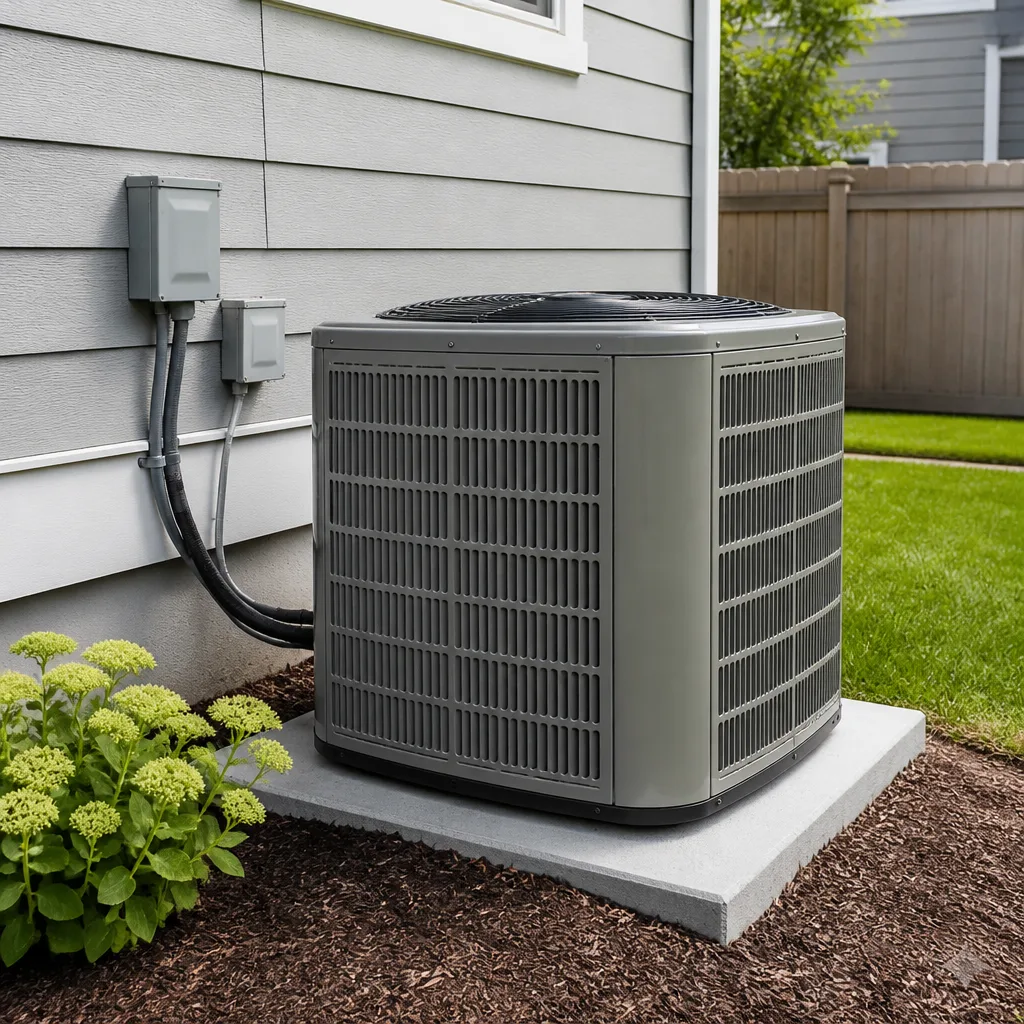 AC repair
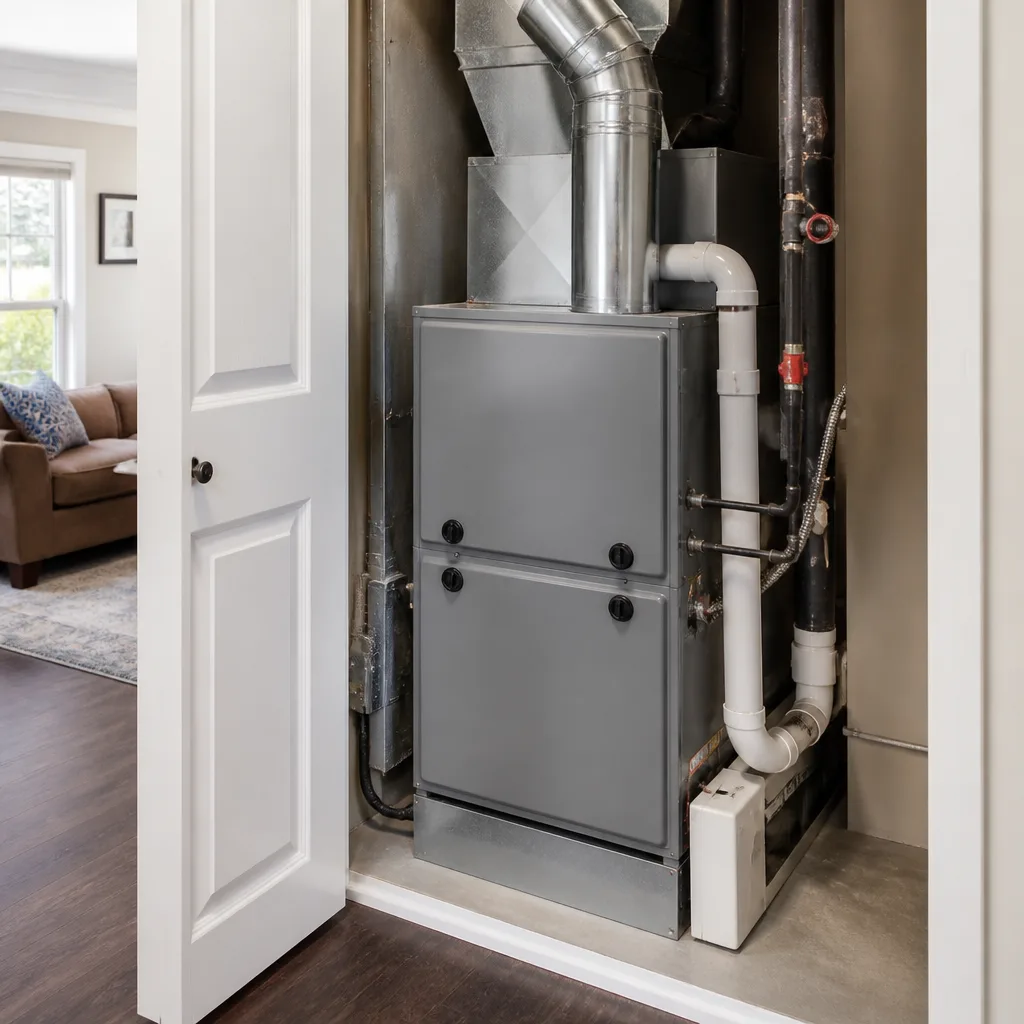 Furnace & heating
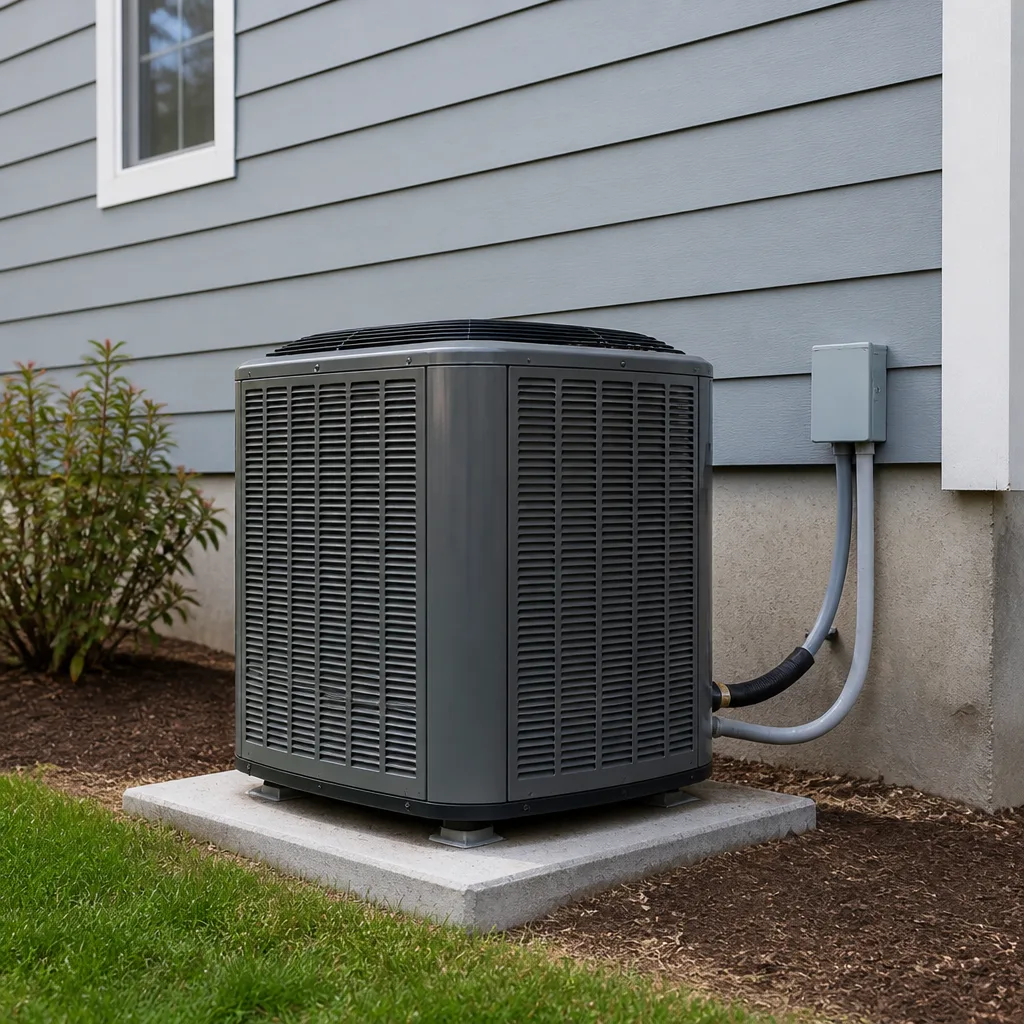 Heat pumps
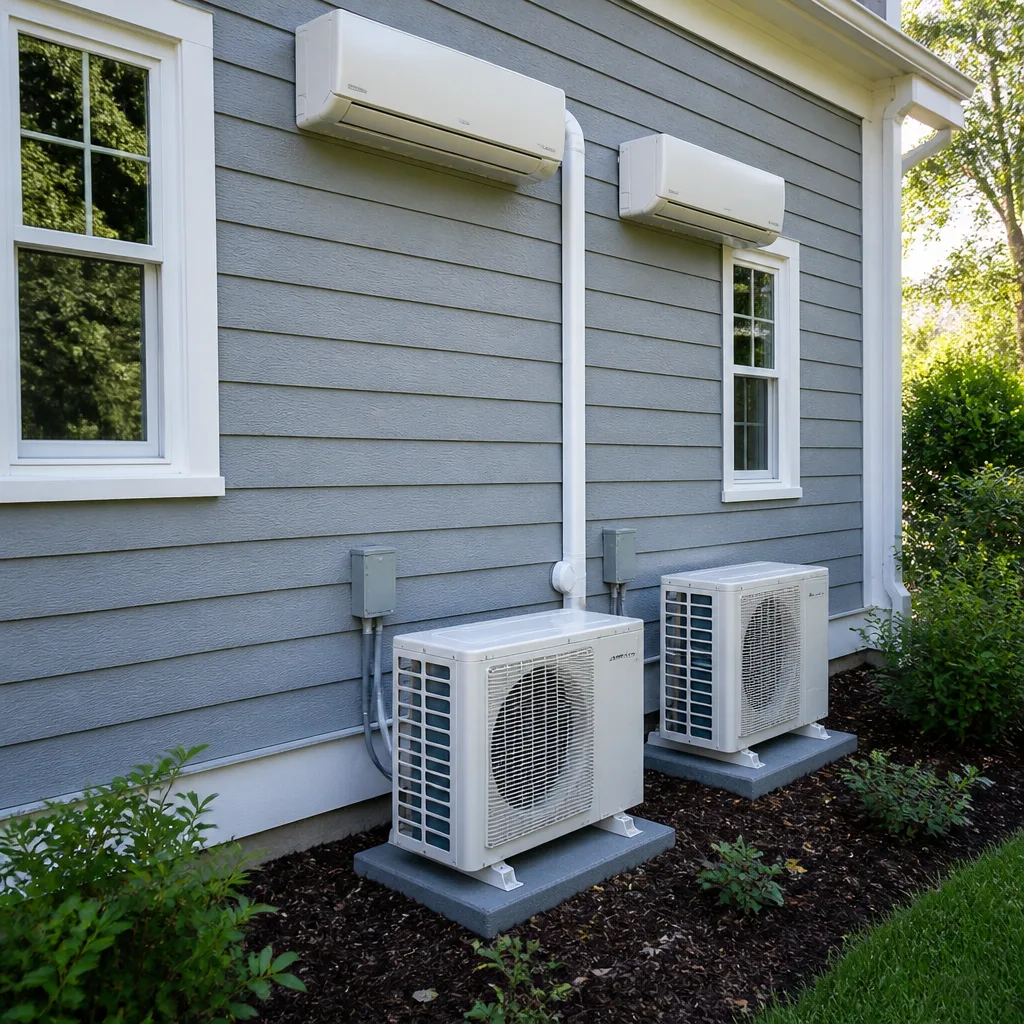 Ductless mini splits
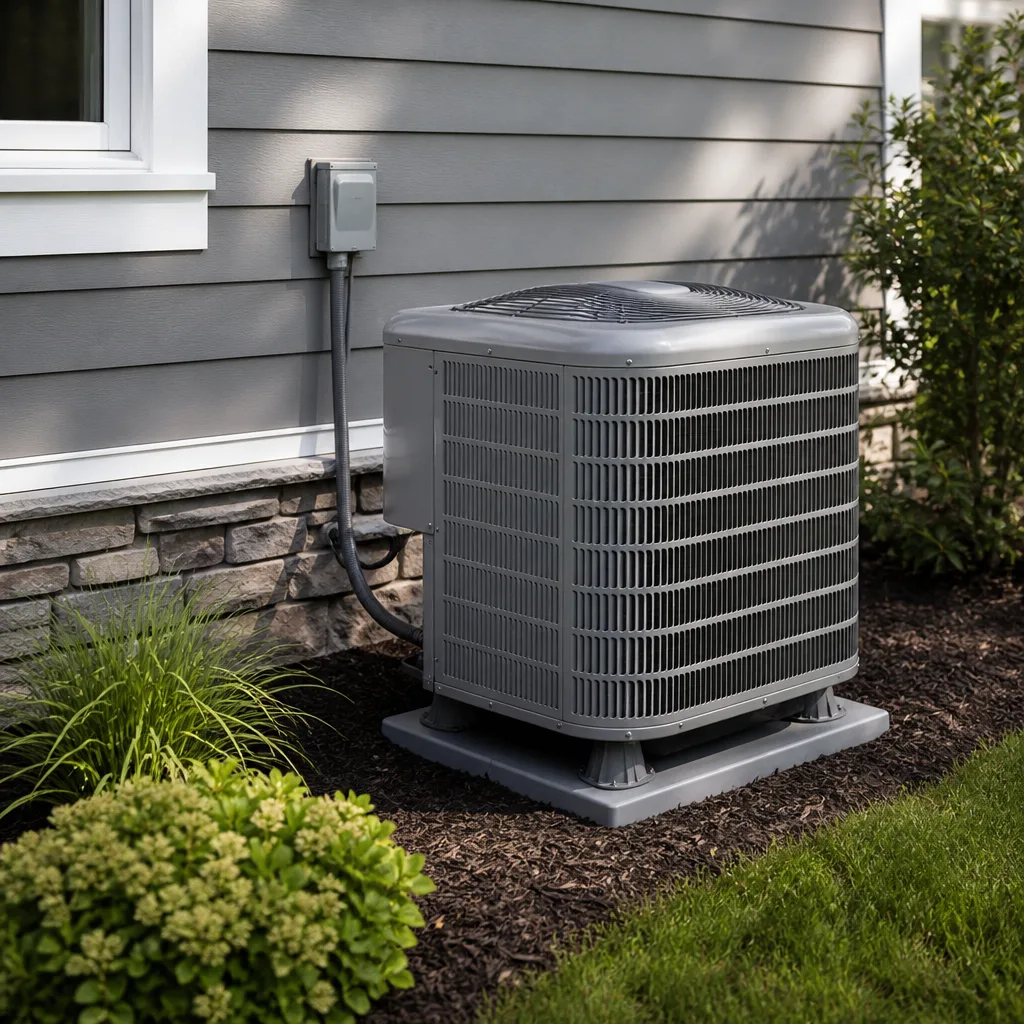 Carrier
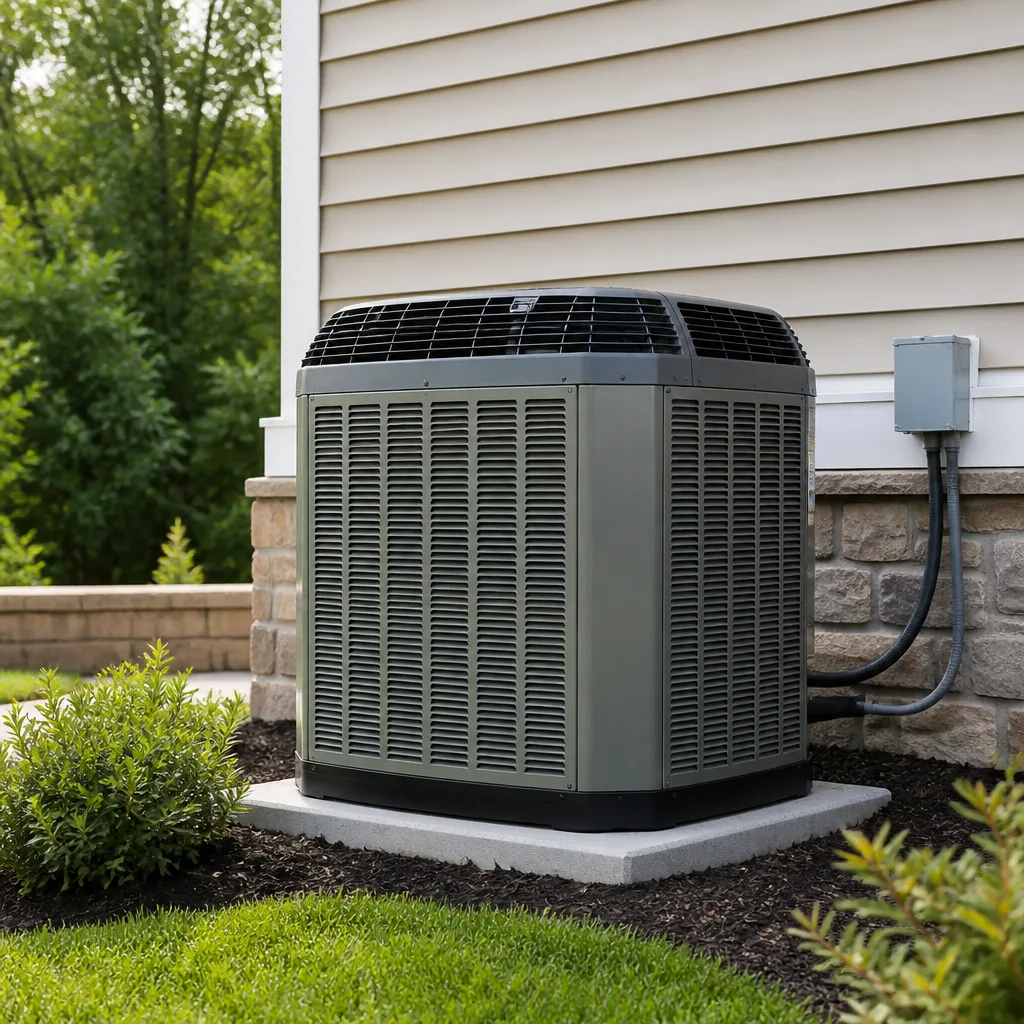 Trane
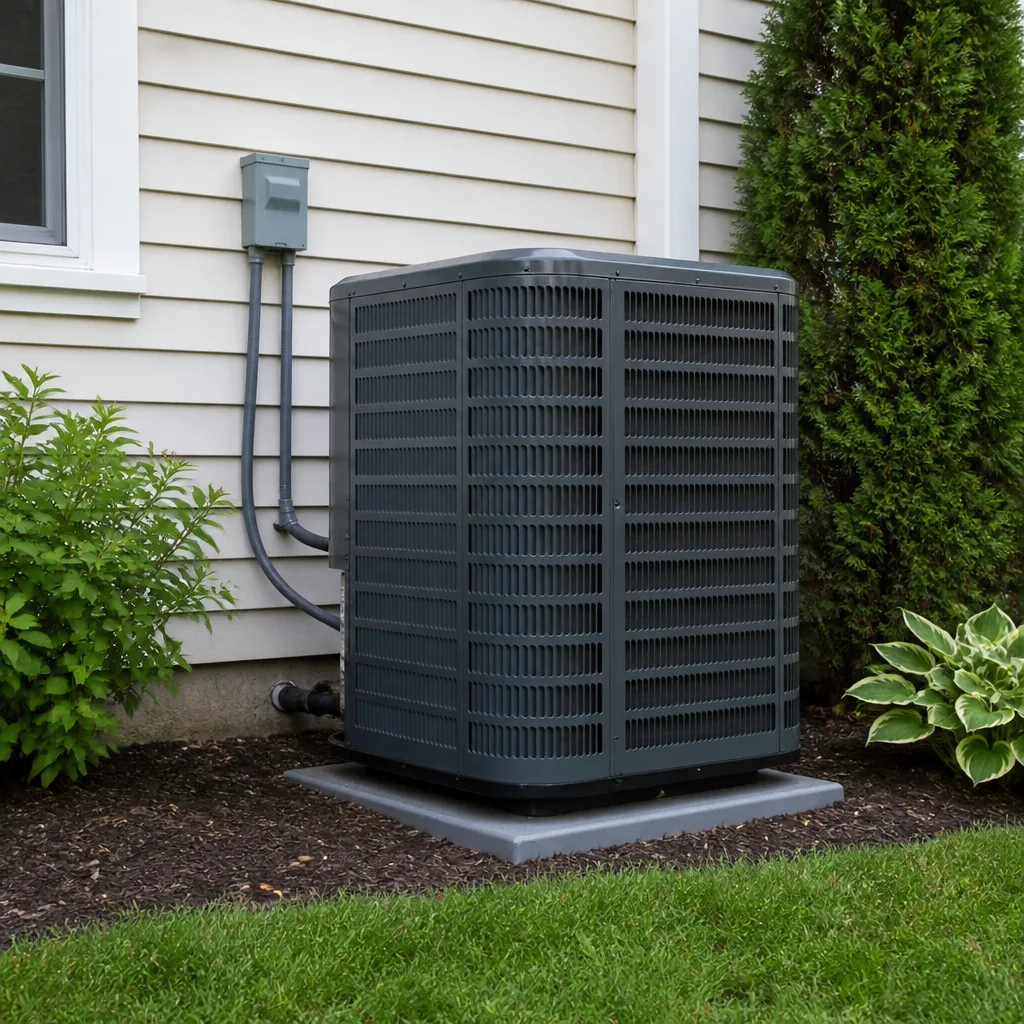 Goodman
Seasonal tune-up and full diagnostic on your Carrier, Trane, or Goodman system - readings shown to you before any repair is proposed
Diagnosis first, numbers second - you approve the repair price before a single part goes in.
Get your free estimateThe Complete AC Repair Guide for Plano Homeowners
Most AC repair guides are written for a climate that doesn’t exist here. They talk about national averages, hypothetical systems, and failure modes imported from colder markets. In Plano, the variables are different. When a system runs through a summer of sustained 95°F-plus days, the parts that fail first, the way they fail, and what a sensible repair actually looks like are all shaped by North Texas conditions. This guide is built around those conditions specifically. You’ll learn the local failure patterns that get misdiagnosed, how to tell a repair that’s worth doing on an older system from one that isn’t, and how to read your repair invoice so you can verify you were billed fairly. If you’re searching for AC repair in Plano because something’s already wrong, the sections below will help you understand what you’re dealing with before anyone touches your equipment.
Quick Answer
AC repair in Plano usually comes down to one of a handful of failure patterns: refrigerant charge loss, a failing capacitor or contactor, a clogged drain line in high-humidity stretches, or a compressor strained by voltage instability in older neighborhoods. The right diagnosis depends on load-testing the system in local conditions, not guessing from a symptom. A repair is worth doing when the system is otherwise sound and the fix addresses a discrete component; replacement math starts to favor itself when a system is over 10 years old and facing a major component failure.
Styles & brands we work with
- AC repair
- Furnace & heating
- Heat pumps
- Ductless mini splits
- Carrier
- Trane
- Goodman
Table of Contents
- The Failure Patterns Plano’s Climate Actually Produces
- Why Clay Soil Causes Refrigerant Problems That Aren’t Refrigerant Leaks
- Repair or Replace: The Math on Systems Over 10 Years Old
- Voltage Fluctuations and Compressor Damage in Older Plano Neighborhoods
- Brand-Agnostic Repair Logic
- What a Legitimate Repair Invoice Should Include
- The Diagnostic Process, Step by Step
- Seasonal Readiness for Plano Summers
The Failure Patterns Plano’s Climate Actually Produces
Plano averages over 70 days above 95°F per year. That threshold matters because it pushes residential AC systems into failure modes that most manufacturer manuals don’t even address. A system designed to cycle on and off through a moderate summer spends far more of its life running continuously here, and continuous runtime accelerates wear on specific components while leaving others relatively untouched.
What we see most often in Plano falls into four categories:
- Capacitor and contactor failure. These are the inexpensive electrical components that start the compressor and fan. Heat is their enemy, and sustained runtime in a hot attic or outdoor cabinet shortens their life. A failed capacitor is one of the most common no-cool calls we diagnose, and it’s usually a straightforward repair.
- Refrigerant charge loss. Systems lose charge slowly over time, and a system that’s 10 percent low on refrigerant can lose a meaningful amount of cooling capacity in peak heat. Finding the leak matters more than topping it off.
- Drain line clogs. Plano’s humid stretches put condensate removal under real load. A clogged drain triggers a float switch and shuts the system down, sometimes on the hottest day of the year. It’s not a refrigerant problem, but it presents like one.
- Compressor strain. The compressor is the most expensive component in the system. It fails from heat, from low refrigerant, and from voltage problems. Sometimes all three compound.
The important thing to understand is that these failure patterns cluster differently than they would in a milder climate. A technician who works primarily in cooler markets may not recognize how quickly a marginal capacitor fails here, or how much a slightly low charge costs you in cooling performance. Local experience shows up in the diagnosis.
Why Clay Soil Causes Refrigerant Problems That Aren’t Refrigerant Leaks
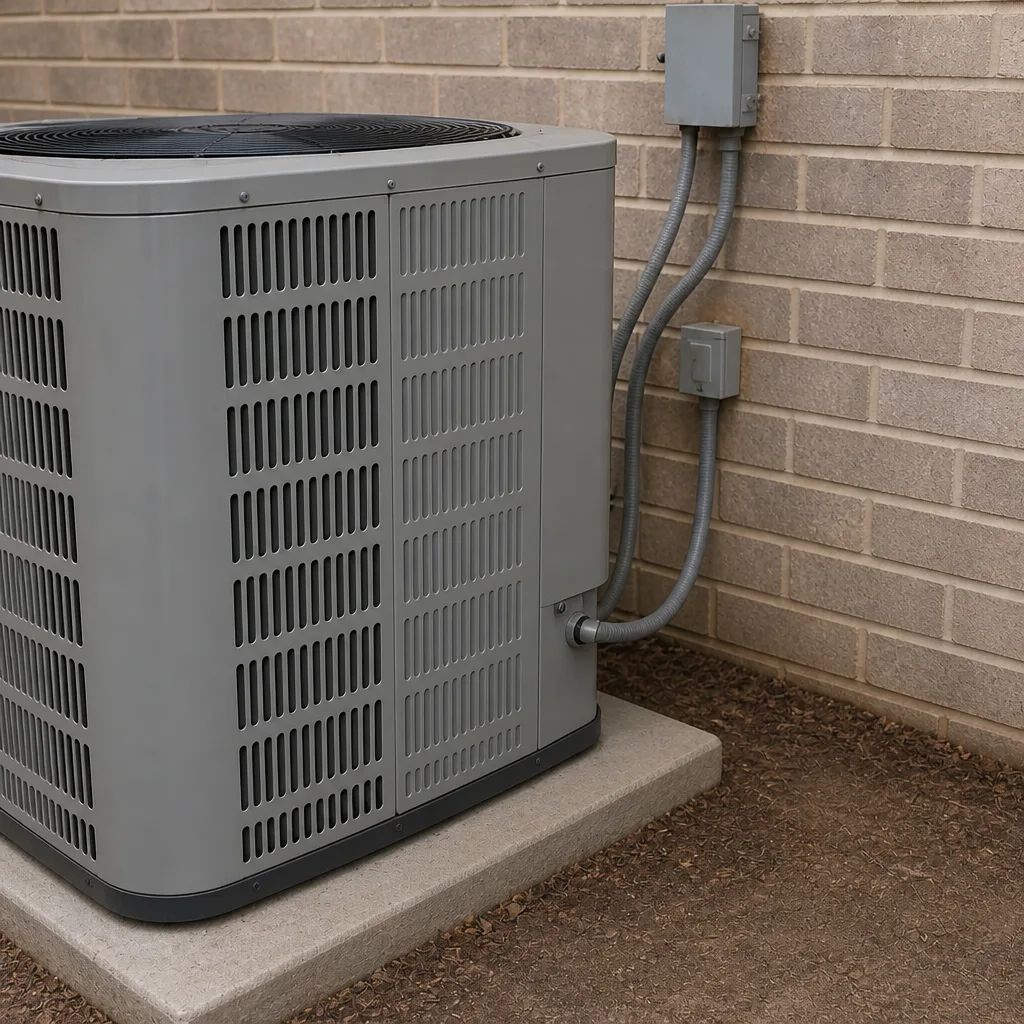
This is the one that trips up homeowners and less experienced technicians alike. Plano sits on expansive clay soil, and that clay moves. It swells when wet, shrinks when dry, and over a few seasons those movements can shift the concrete pad your outdoor condenser sits on. When the pad settles or tilts, the refrigerant lines running from the condenser to the house can flex, and over time that flexing can loosen a connection or stress a line.
Here’s the misdiagnosis: a technician reads low refrigerant, assumes a leak in the coil or the lineset, and starts recommending expensive leak searches or coil replacement. Sometimes that’s correct. But sometimes the actual problem is a line connection disturbed by pad settling, which is a different fix. The distinction matters because it changes both the repair and the cost.
What a careful technician checks before assuming a coil leak:
- Look at the pad itself. Is it level? Has it settled on one side? Is there visible separation where the lineset enters the house?
- Inspect the line connections at the condenser for oil residue, which is a common sign of a slow leak at a joint.
- Pressure-test the system and isolate the indoor coil from the outdoor section to narrow down where the charge is actually going.
- Check the lineset routing for stress points that could indicate movement-related damage.
In our experience in Plano, a meaningful share of “refrigerant leak” diagnoses turn out to have a pad or lineset contribution once you look for it. A technician who skips that step may quote a repair that doesn’t actually address the root cause, and the problem comes back. When you get an estimate that includes a leak repair, it’s fair to ask how the technician confirmed where the leak is. The answer should be specific.
Repair or Replace: The Math on Systems Over 10 Years Old
This is the single most important decision a Plano homeowner makes about their AC, and the answer isn’t the same here as it is in a mild climate. A system that would have a decade of life left in a northern state may be closer to the end of its useful service in North Texas because it runs so much harder through the summer. Ten years in Plano heat is a real milestone, and it’s the point where repair-versus-replace math starts to shift.
The framework that works:
- Repair is usually the right call when the failure is a discrete, accessible component: a capacitor, contactor, blower motor, drain line, or a refrigerant leak that’s confirmed and repairable. These fixes address what’s actually broken and leave the rest of the system intact.
- Repair gets harder to justify when the failing component is the compressor or the indoor coil, and the system is already past 10 years. These are the expensive repairs, and putting a major-component repair into an aging system is a bet that the rest of it holds up. In Plano heat, that bet gets tested.
- Replacement math starts to win when you’re looking at a major repair on a system that’s over 10 years old, especially if you’ve already had a couple of smaller repairs in recent seasons. The cumulative cost of keeping an aging system alive starts to approach what a new system would cost, and the new system delivers better efficiency and a fresh warranty.
One more local factor: efficiency matters more here because the system runs so many hours. A replacement that improves efficiency pays back faster in Plano than it would in a milder market, because you’re saving on a much larger cooling load. When we discuss AC installation with a Plano homeowner, the conversation is about matching the equipment to the actual load and the budget, not about which unit carries the best dealer incentive. That’s the brand-neutral approach, and it’s the one that serves you.
Voltage Fluctuations and Compressor Damage in Older Plano Neighborhoods
Older Plano neighborhoods have older electrical infrastructure, and that shows up in your AC’s compressor. The compressor is an electric motor, and electric motors are sensitive to voltage quality. When voltage sags, the motor draws more current to do the same work, and that extra current generates heat. Over seasons of voltage fluctuation, that heat adds up and shortens compressor life.
Oncor delivers power to Plano, and like any utility it manages a grid that includes older sections of town. Voltage fluctuations happen for a lot of reasons: demand spikes on hot afternoons, aging transformers, loose connections at the meter or panel. You don’t need to become an electrical expert to protect your system, but you do need a technician who checks for it.
What should be checked when compressor health is a concern:
- Voltage at the disconnect. A technician should measure voltage under load, not just at rest. Resting voltage tells you very little.
- Start and run amperage. Comparing actual current draw against the compressor’s rated draw tells you whether it’s working harder than it should.
- Contactor condition. Pitted or burned contacts create resistance and voltage drop. They’re inexpensive to replace and they protect the compressor.
- Electrical connections. Loose lugs at the disconnect or the panel cause voltage drop and heat. A torque check is part of a thorough inspection.
- Start-assist components. Some systems benefit from a hard-start kit that reduces the inrush current on startup, which is gentler on the compressor.
This is one of those checks that separates a real diagnostic from a quick look. If a technician diagnoses a failing compressor and never measured voltage or amperage, the diagnosis is incomplete. Compressor replacement is expensive, and it deserves a thorough investigation before anyone commits to it.
Brand-Agnostic Repair Logic
Here’s something most homeowners don’t realize: the diagnostic process for an AC system is essentially the same regardless of brand. Whether you have a Lennox, a Goodman, or a Rheem, the system works on the same principles of refrigeration, uses the same categories of components, and fails in the same fundamental ways. What changes between brands is the specifics: control board layouts, proprietary parts, error codes, and the quirks that come from how a particular manufacturer built a particular model.
That’s why brand coverage matters, but not in the way single-brand dealers frame it. A dealer who only sells one brand will tell you their brand is the one you need. What you actually need is a technician who knows how to work on your specific equipment, whichever brand that is. We’re equipped to service equipment from Carrier, Trane, Lennox, Goodman, Rheem, York, Daikin, Bryant, and American Standard, which covers the overwhelming majority of what’s installed in Plano homes. When a technician knows your brand before arriving, the diagnostic starts from knowledge instead of from scratch.
The brand-neutral logic extends to repair recommendations. A technician with no inventory bias can tell you honestly whether a repair is worth doing or whether replacement is the smarter move, because there’s no pressure to steer you toward equipment. That’s the Benchmark AC Repair approach: the right fix, not the fastest upsell. And it extends to the full HVAC cycle, because we handle furnace repair as well as AC work. Having one contractor for both heating and cooling means no juggling specialists across seasons and no re-vetting a new company every time something fails. Whatever system you have, we know it, and that applies in January as much as it does in July.
What a Legitimate Repair Invoice Should Include
A repair invoice is your record of what was done, and it should be specific enough that you can verify you were billed accurately. Vague invoices (“AC repair – $X”) make it impossible to check the work, and they’re a red flag. Here’s what a legitimate invoice for AC repair in Plano should show.
- Parts, itemized by name and number. You should see the specific part that was replaced, not a generic “repair kit.” If a capacitor was replaced, the invoice should name the capacitor and its rating. If a contactor was replaced, it should say so.
- Labor, described. Labor should be tied to the work performed. “Diagnostic and replacement of failed run capacitor” is specific. “Service call” is not.
- Refrigerant, by weight. If refrigerant was added, the invoice should state the type (R-410A, for example) and the weight added, in ounces or pounds. Refrigerant is billed by weight, and you should be able to see how much went in. This is a common place for billing errors, and a weight-based line item lets you check it.
- Any diagnostic findings. The invoice should reflect what the technician found, not just what was fixed. This matters for your records and for any future warranty claim.
- Warranty terms on parts and labor. If the part carries a manufacturer warranty, the invoice should note it. Labor warranty terms should be stated too.
A written estimate should precede the work, and the invoice should match it. If the final bill differs from the estimate, ask why before you pay. In our experience, a straightforward explanation is always available when the work was done right. Precision over promises means the paperwork should reflect exactly what happened.
The Diagnostic Process, Step by Step
Understanding how a proper diagnostic works helps you evaluate whether the technician who shows up is doing the job right. Here’s the sequence a thorough technician follows on an AC repair call in Plano.
- Interview and symptom review. What is the system doing? Is it running but not cooling, not running at all, cycling on and off, or making noise? Each symptom points toward a different starting point.
- Visual inspection. The technician looks at the outdoor unit, the indoor air handler, the filter, the drain line, and the pad. This is where obvious problems surface, like a clogged filter or a pad that’s settled.
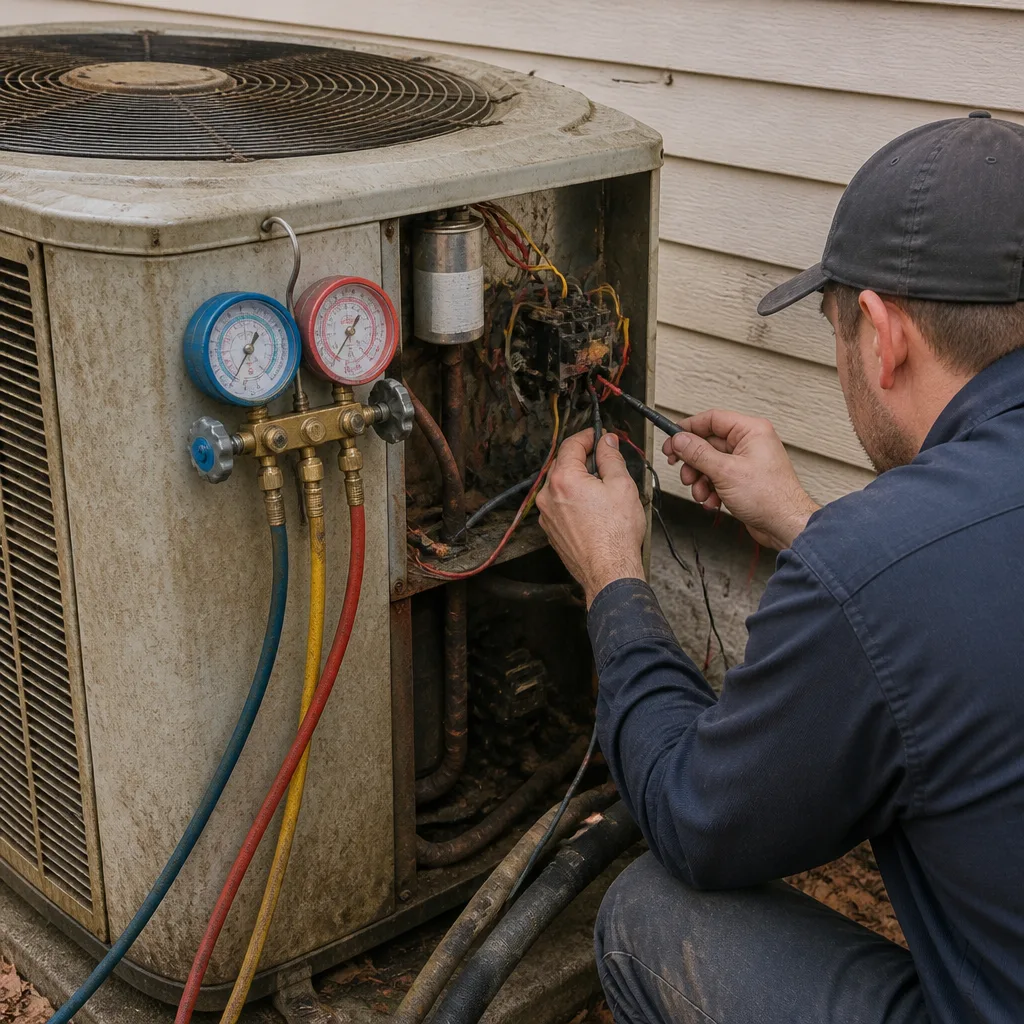
- Electrical checks. Voltage, amperage, and component testing. Capacitors, contactors, and control boards get tested here. This is where many no-cool calls get resolved.
- Refrigerant checks. Superheat and subcooling measurements tell the technician whether the charge is correct and whether there’s a leak indication. This is more accurate than pressure alone.
- Airflow checks. A system can have perfect refrigerant and still not cool if airflow is restricted. Filter condition, blower operation, and duct condition all get evaluated.
- Drain and condensate check. The drain line gets cleared and tested, and the float switch gets checked. This prevents a shutdown later.
- Written findings and estimate. The technician explains what was found and provides a written estimate before any repair work begins.
A proper diagnostic takes time. If a technician arrives, glances at the system, and immediately quotes a major repair without running these checks, that’s a reason to get a second opinion. The diagnostic is where good repair work starts, and it’s worth insisting on a thorough one.
Seasonal Readiness for Plano Summers
The best time to deal with AC problems is before the first 95°F day, not during it. Plano summers are long and hot, and a system that’s marginal in May will fail in July. A few seasonal habits make a real difference.
- Change the filter on schedule. A clogged filter restricts airflow, which stresses the blower and reduces cooling. It’s the cheapest maintenance you can do and the most commonly neglected.
- Clear the area around the outdoor unit. The condenser needs airflow to shed heat. Debris, overgrown plants, and stored items near the unit reduce its efficiency and shorten its life.
- Check the drain line before summer. A pre-season drain clearing prevents the mid-summer shutdown that a clog causes.
- Look at the pad. If it’s visibly tilted or settling, address it early. This is the clay-soil issue in its early stage, and catching it early is cheaper than dealing with the line damage that follows.
- Schedule a tune-up before the rush. A system that gets checked before the season starts is less likely to fail during it, and any small issues get caught while they’re still small.
If your system is older, seasonal readiness matters even more. An aging system in Plano is running near its limit every summer, and small problems compound fast. For a deeper look at repair and replacement decisions, our AC repair page covers the specifics, and our Plano service page has the local details. If you’re ready to talk through your system, call (833) 488-8546. We answer 24/7. Fast dispatch from 7am to 7pm, Sunday through Friday.
Common Mistakes to Avoid
- Assuming low refrigerant means a coil leak. A technician who jumps to a coil replacement without checking the pad and line connections may be quoting the wrong repair. On Plano’s clay soil, settling-related line issues are a real possibility that gets missed.
- Letting a minor electrical failure run. A failing capacitor or contactor is inexpensive to replace, but letting it run can damage the compressor, which is expensive. Small electrical problems have a way of becoming big ones in summer heat.
- Accepting a repair on a 12-year-old system without asking about replacement math. A major-component repair on an aging system deserves a side-by-side comparison, not a quick yes. Ask for both numbers.
- Skipping the drain line check. A clogged drain shuts the system down, and it’s one of the most preventable failures. Have it checked before summer, not after.
- Hiring a single-brand dealer for a different brand. A dealer who sells one brand has an incentive to steer you toward their equipment. Brand-neutral recommendations serve you better.
- Ignoring a vague invoice. If the invoice doesn’t itemize parts, labor, and refrigerant weight, you can’t verify the billing. Ask for the detail before you pay.
- Waiting for a failure instead of scheduling a tune-up. The worst time to find out your system has a problem is the hottest week of the year, when everyone else is calling too.
See the difference
 Before
 After
 Before
 After
 Before
 After
When to Call a Professional
Some AC issues are genuinely dangerous or require tools and knowledge that aren’t worth improvising. Call a professional if you smell burning from the system, if you see scorch marks or melted wiring at the disconnect, if the breaker trips repeatedly, or if you hear the compressor making loud mechanical noise. Refrigerant handling requires training and equipment, and refrigerant is not something to troubleshoot on your own. Electrical panel work and anything involving the compressor’s internal electrical components should be left to a trained technician, because the voltages involved can cause serious injury. Beyond safety, call a professional when the diagnosis isn’t clear. A system that’s running but not cooling, a system that cycles constantly, or a system that’s past 10 years old and facing a major decision all benefit from a proper diagnostic. Benchmark AC Repair offers free estimates in Plano. Call (833) 488-8546. We answer 24/7. Fast dispatch from 7am to 7pm, Sunday through Friday.
Frequently Asked Questions
AC repair in Plano is priced per job on a written estimate, and the final price depends on the specific failure, the parts required, and the labor involved. A minor electrical component replacement and a compressor replacement are very different jobs, so a range that covers everything would be misleading. The written estimate sets the exact price, and the estimate is free. Call (833) 488-8546 for an exact quote.
Same-day service is available for many repairs, and it’s a priority when a system is down in Plano heat. Fast dispatch runs 7am to 7pm, Sunday through Friday. Whether a specific repair can be completed same-day depends on the diagnosis and part availability, and the technician will tell you at the point of the estimate. Call (833) 488-8546 to get on the schedule.
Not necessarily. Low refrigerant means there’s a leak somewhere, but the leak’s location determines the repair. In Plano, the clay soil can cause pad settling that stresses refrigerant line connections, which is a different repair than a coil leak. A proper diagnostic isolates where the charge is going before any repair is quoted. Call (833) 488-8546 if you want the leak located correctly.
It depends on what’s failing. A discrete component repair on a 12-year-old system is often still worth doing, but a major-component repair like a compressor at that age often makes replacement the better math, especially in Plano where the system runs so many hours per year. The right answer comes from a side-by-side comparison, and we’ll give you both numbers. Call (833) 488-8546 for a free estimate.
We’re equipped to service Carrier, Trane, Lennox, Goodman, Rheem, York, Daikin, Bryant, and American Standard equipment, which covers most of what’s installed in Plano homes. The diagnostic process is the same regardless of brand, and knowing your specific system before arriving means the technician starts from knowledge. Call (833) 488-8546 and tell us your brand.
Check three things: the filter (a clogged filter restricts airflow and mimics a bigger problem), the breaker (a tripped breaker is a simple reset), and the outdoor unit (a clear area around it and an obvious pad tilt are worth noting). If those don’t explain the issue, it’s time for a technician. Call (833) 488-8546. We answer 24/7. Fast dispatch from 7am to 7pm, Sunday through Friday.
The Bottom Line
AC repair in Plano is shaped by local conditions: sustained heat that accelerates component wear, clay soil that stresses refrigerant lines, voltage fluctuations in older neighborhoods, and long cooling seasons that make efficiency matter more. The right repair starts with a proper diagnostic, not a guess from a symptom. Repair is usually the right call on a discrete component failure, while a major repair on a system past 10 years old deserves a side-by-side comparison with replacement. A legitimate invoice itemizes parts, labor, and refrigerant weight so you can verify the billing. Our technicians have up to 15 years of experience, and we work on your brand, whatever it is. For a free estimate on AC repair in Plano, call (833) 488-8546. We answer 24/7. Fast dispatch from 7am to 7pm, Sunday through Friday.
Written by the team at Benchmark AC Repair.