
Last updated November 14, 2026
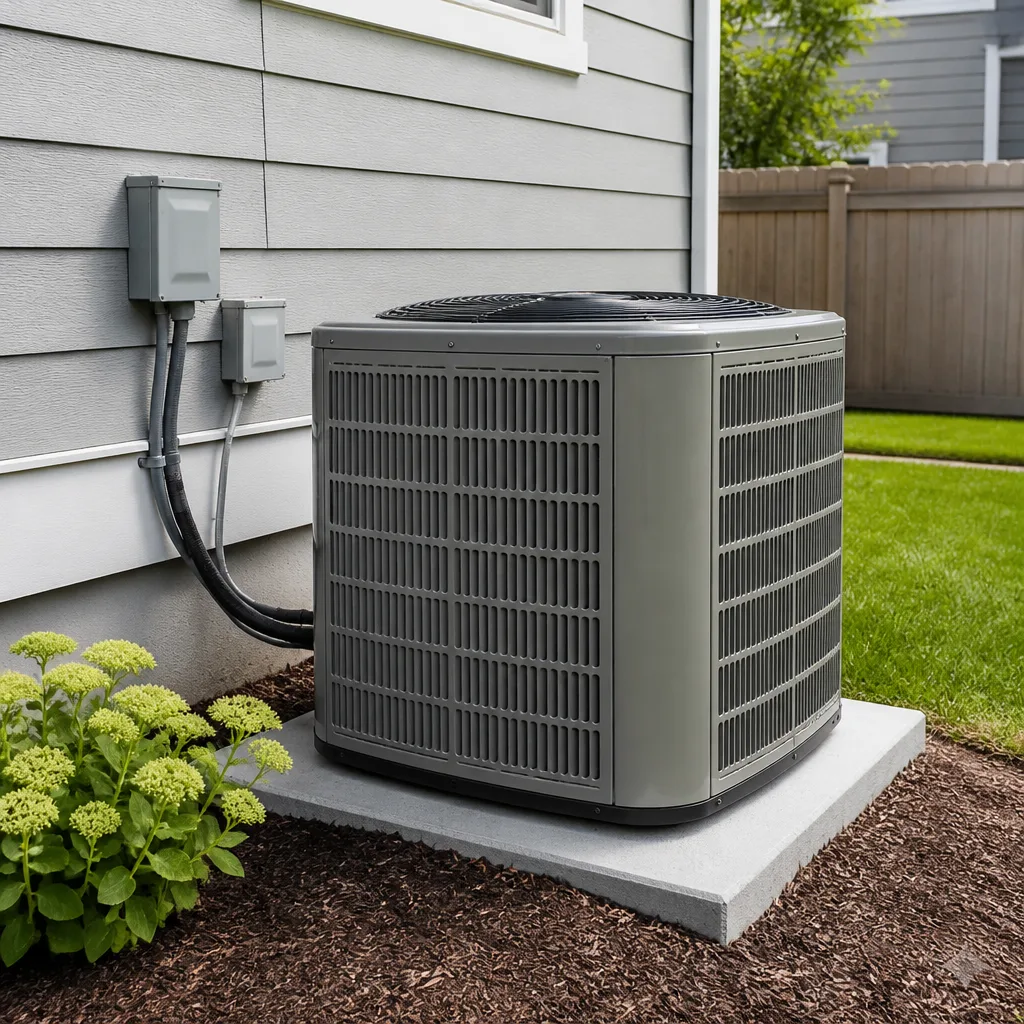 AC repair
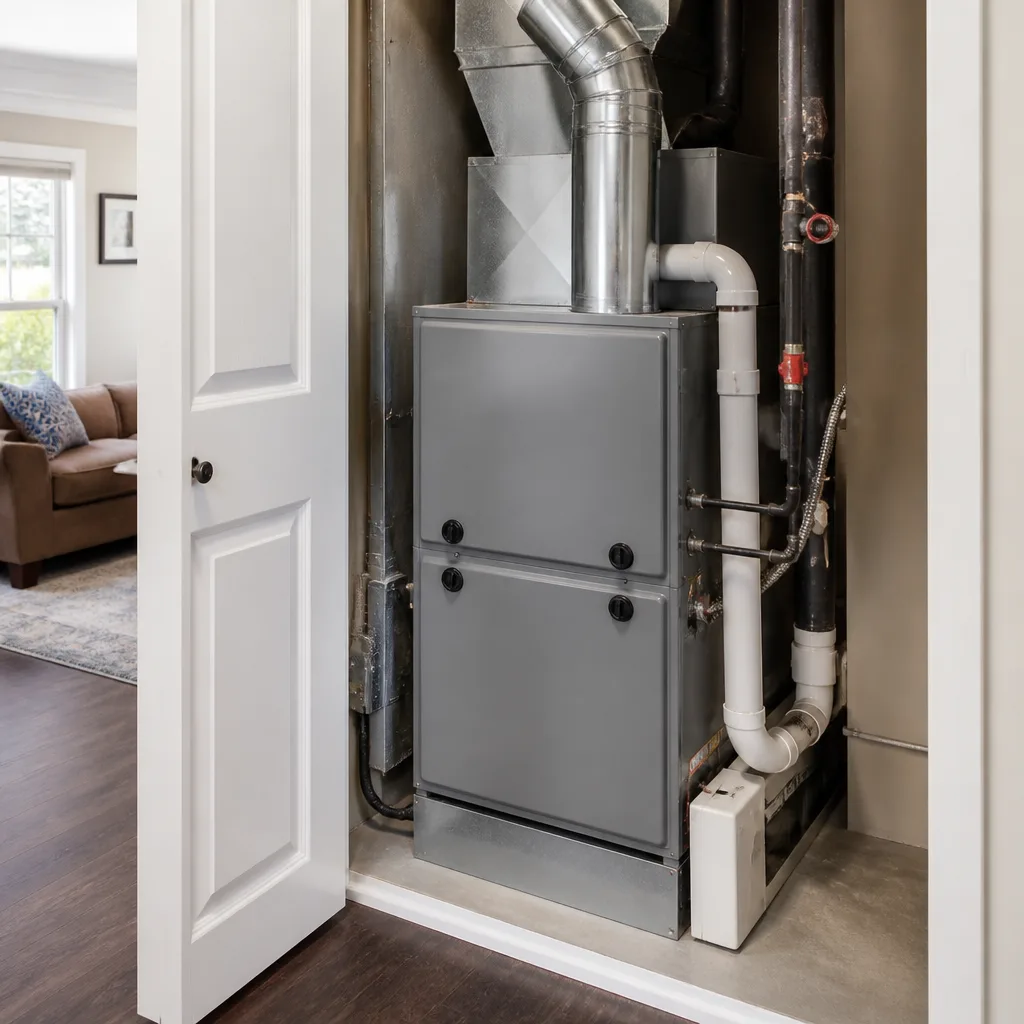 Furnace & heating
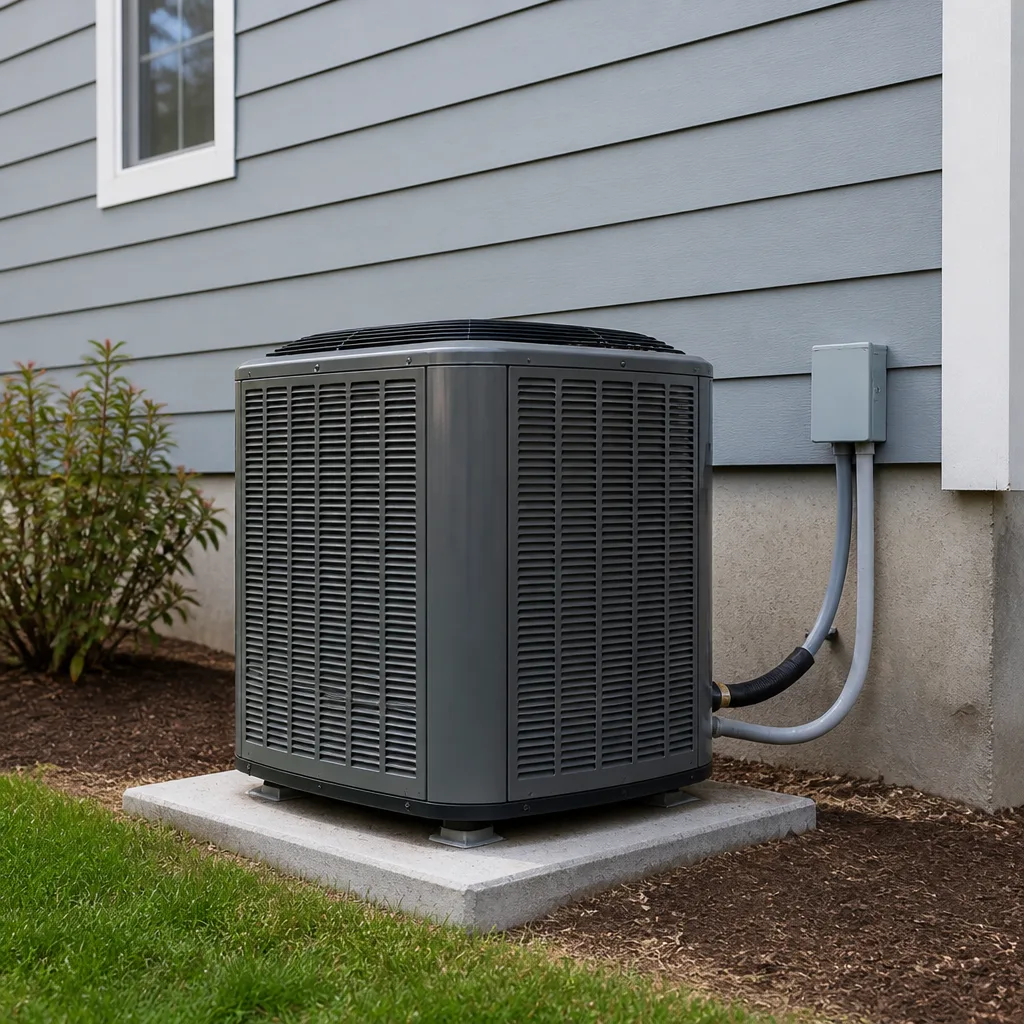 Heat pumps
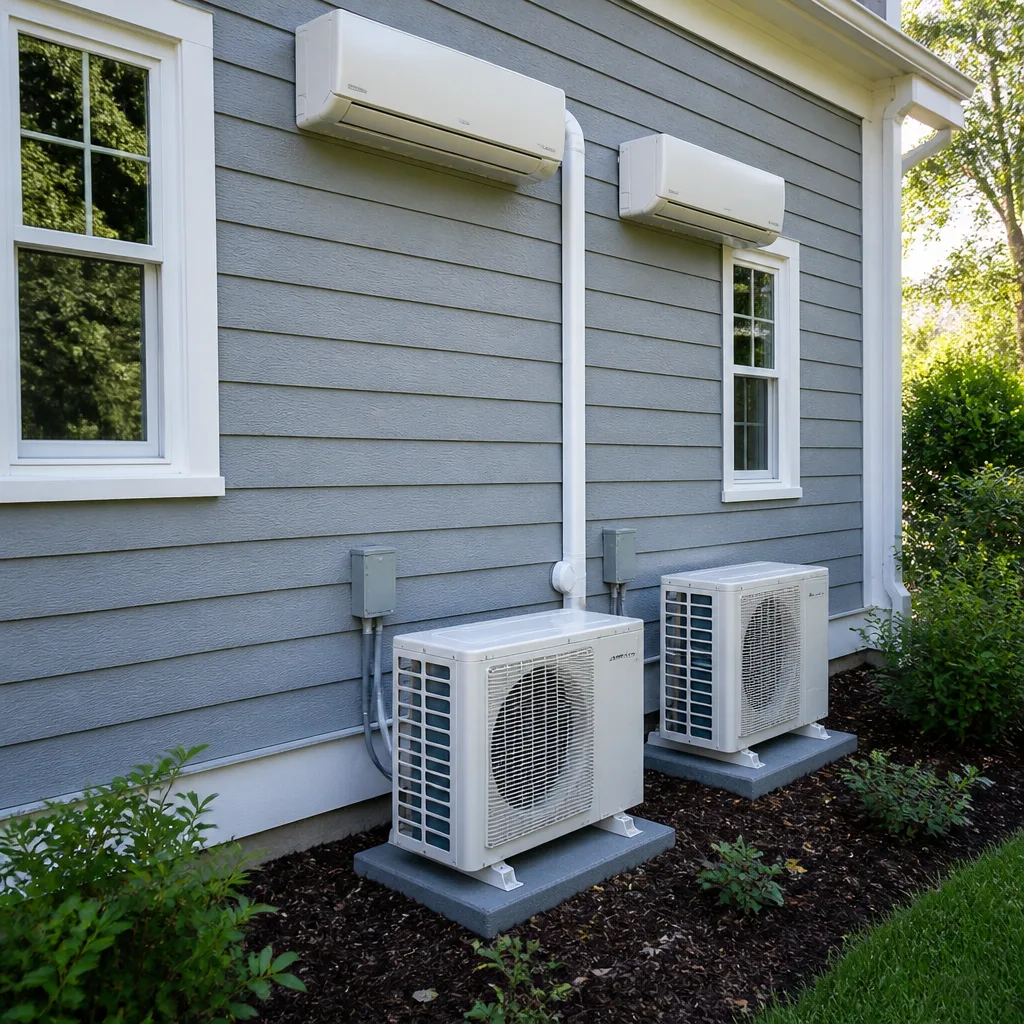 Ductless mini splits
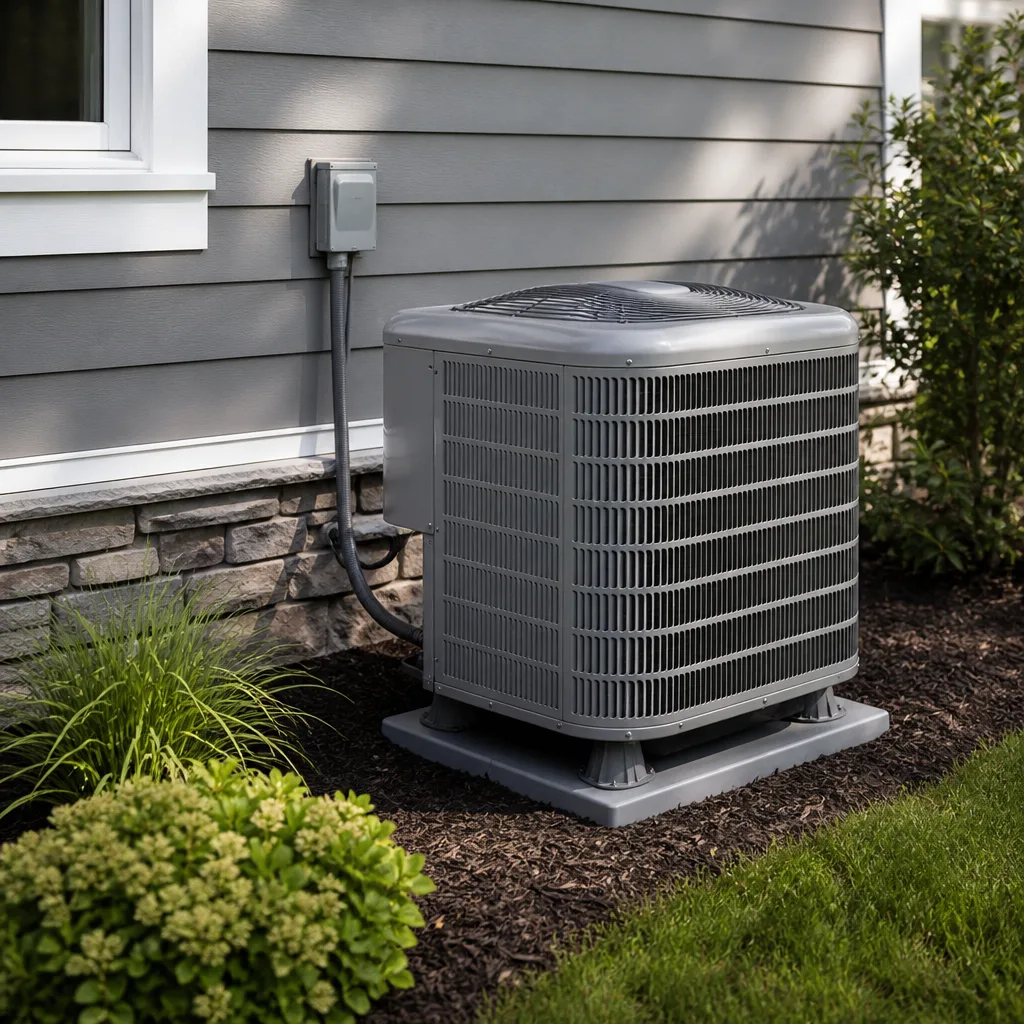 Carrier
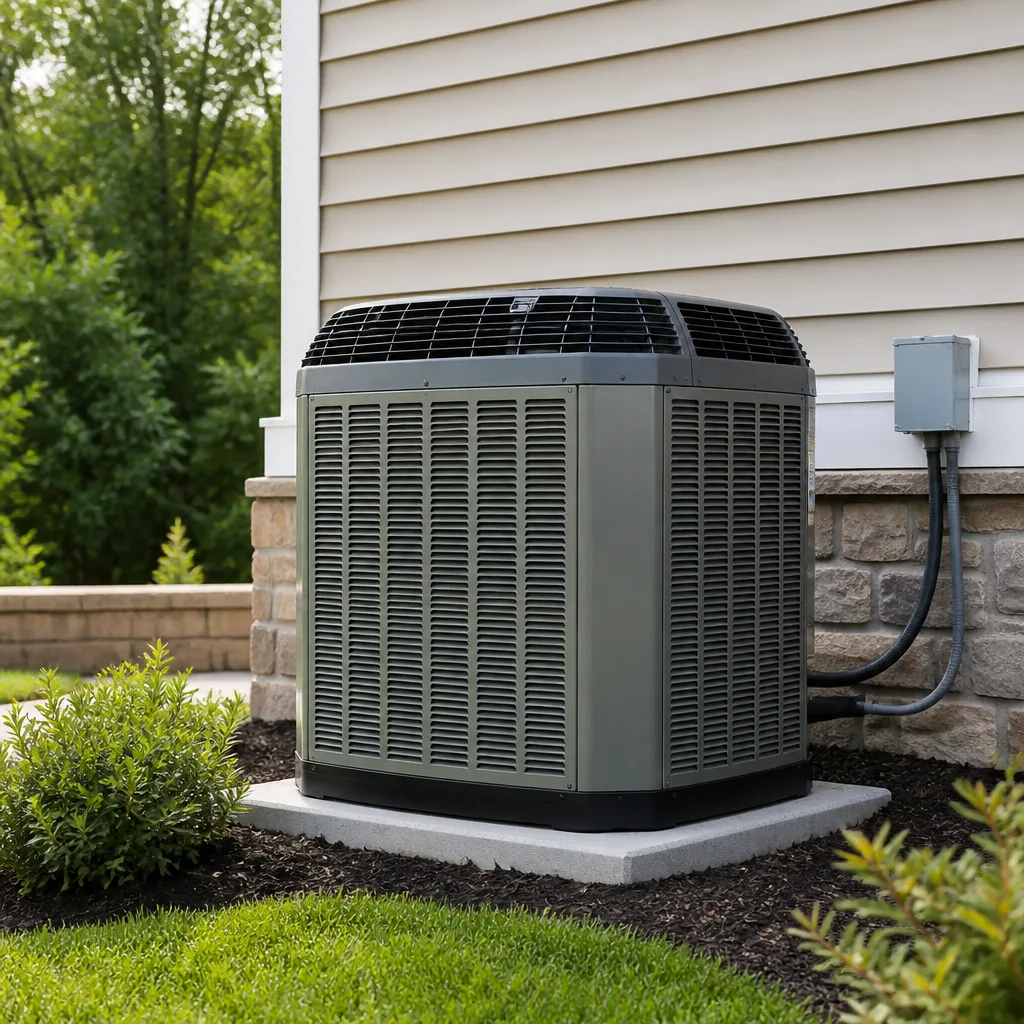 Trane
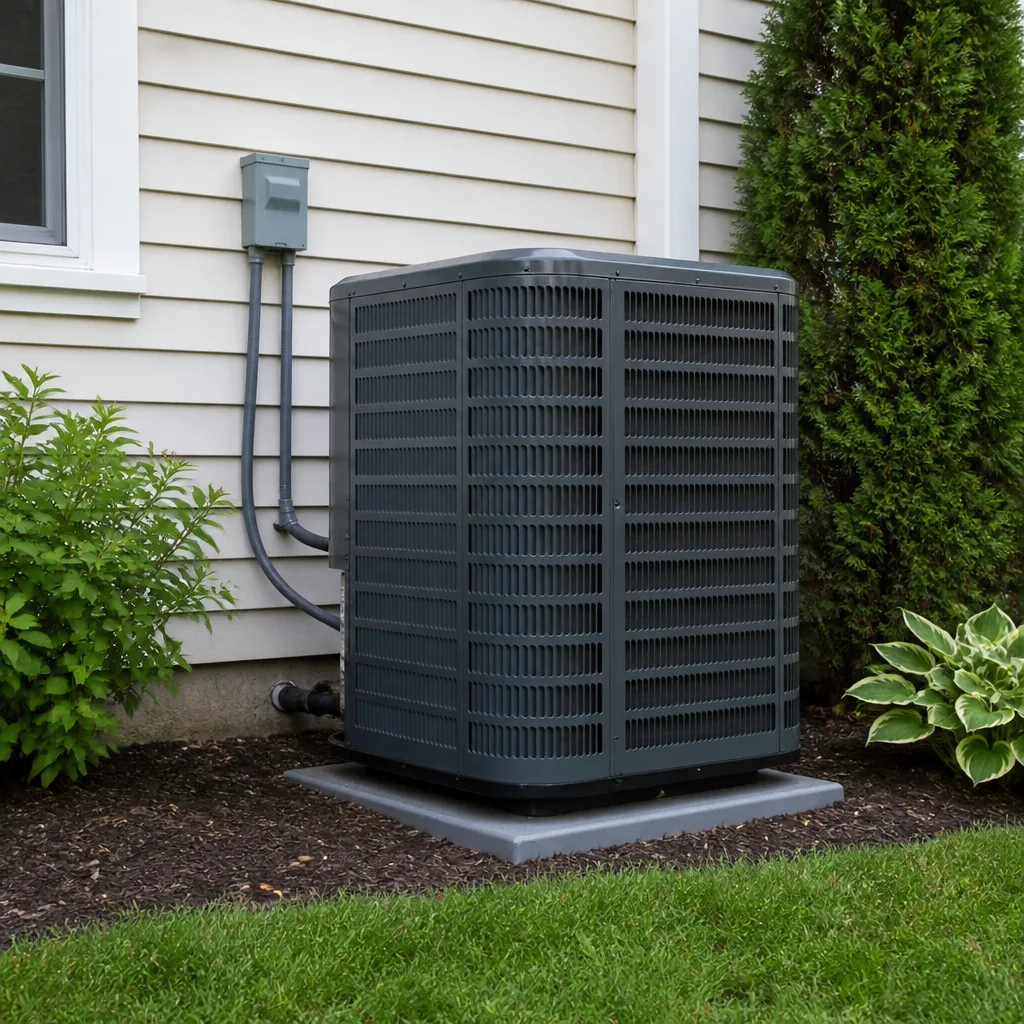 Goodman
Seasonal tune-up and full diagnostic on your Carrier, Trane, or Goodman system - readings shown to you before any repair is proposed
Diagnosis first, numbers second - you approve the repair price before a single part goes in.
Get your free estimateDIY vs Professional HVAC: The Plano Homeowner’s Decision Guide
Replacing refrigerant is federally illegal without an EPA 608 certification. Not a gray area. Not a guideline. A rule with fines attached. Yet YouTube tutorials promising “recharge your AC in ten minutes” keep pulling millions of views. That gap between what homeowners are told they can do and what the law actually permits is where most HVAC confusion starts, and it’s what this guide is built to close. We’ll draw the line precisely: the tasks that are genuinely worth your Sunday afternoon, the ones that quietly void a manufacturer warranty, and the ones that can hurt you. Plano homeowners face a specific mix of heat, humidity, and builder-grade equipment, so the advice here is tuned to that reality, not to a generic national script.
Quick Answer
The clear dividing line is this: anything involving refrigerant, gas, electrical panel work, or the sealed refrigeration circuit requires a licensed professional. Filter changes, thermostat swaps, condensate drain flushing, and outdoor coil cleaning are legal for a homeowner in Texas and genuinely worth doing yourself. Everything between those two poles gets decided by warranty rules, safety, and whether your time is worth more than the billable diagnostic minutes you’d save. If you’re unsure which side of the line a job sits on, Benchmark AC Repair will tell you straight, and the estimate is free.
Styles & brands we work with
- AC repair
- Furnace & heating
- Heat pumps
- Ductless mini splits
- Carrier
- Trane
- Goodman
Table of Contents
- Where the Legal Line Falls for Texas Homeowners
- What You Can Legally Do Yourself in Plano
- How DIY Work Affects Your Manufacturer Warranty
- Thermostat and Smart Home Work: Where DIY Pays Off and Where It Backfires
- How to Prepare for a Professional Visit and Cut Diagnostic Time
- The DIY Skills Worth Learning for Plano’s Climate
- A Realistic Cost Comparison
- Common Mistakes to Avoid
- When to Call a Professional
- Frequently Asked Questions
Where the Legal Line Falls for Texas Homeowners
Texas law regulates HVAC work through the state licensing framework, and the practical effect is that a homeowner may work on their own equipment but may not perform work that requires a license for someone else, and cannot legally touch certain systems at all. The refrigerant circuit is the sharpest example. Handling refrigerant, whether adding it, recovering it, or charging a system, requires EPA Section 608 certification. That requirement is federal and applies regardless of who owns the equipment. A homeowner without certification cannot legally open a refrigerant line, and no reputable supply house will sell them refrigerant in the first place.
The second firm boundary is gas. Any work on a gas furnace’s burner assembly, gas valve, or flue connections is both a licensure matter and a genuine safety matter. Carbon monoxide doesn’t announce itself. We’ve walked into Plano homes where a homeowner had adjusted a gas valve based on a video, and the stakes there are not a repair bill.
The third boundary is the electrical panel and the high-voltage side of the air handler. Changing a thermostat that runs on low-voltage control wire is one thing. Opening a panel to add a circuit for a new condenser is another, and it’s electrical work that belongs to a licensed electrician or a licensed HVAC contractor.
Everything else is fair game. Coil cleaning, filter swaps, drain flushing, and clearance checks don’t touch refrigerant, gas, or panel wiring, so they’re legal, and they’re where your effort actually pays off.
The short version
- Requires a license and certification: refrigerant handling, gas valve and burner work, flue work, panel-level electrical, compressor or sealed-system repairs.
- Legal for homeowners: filter changes, low-voltage thermostat swaps, condensate drain flushing, outdoor coil rinsing, vegetation clearance around the condenser.
- Gray zone that usually isn’t worth it: blower motor swaps, capacitor replacements, and control board diagnosis, which are legal but easy to get wrong on a modern variable-speed system.
What You Can Legally Do Yourself in Plano
Here is the list we hand to homeowners who ask what’s actually worth their time. These tasks are legal in Texas, safe for a reasonably handy person, and directly reduce the frequency of emergency calls. They also keep your system running closer to its rated efficiency, which matters when a Plano summer pushes the outdoor unit hard for months.
- Change the air filter. The single highest-value task on this list. A clogged filter chokes airflow, ices the coil, and shortens compressor life. In Plano’s dusty spring season, monthly changes during heavy use are reasonable, and a quality pleated filter is a few dollars.
- Replace a low-voltage thermostat. A standard thermostat running on the low-voltage control wire is a safe swap if you kill power at the air handler first and label the wires before you pull them. This is where most homeowner mistakes happen, so read the next section carefully.
- Flush the condensate drain. A wet-vac on the drain line and a monthly cup of vinegar down the access port keeps algae from clogging it. In a humid Plano summer, that drain runs constantly and is the number-one cause of water damage around an air handler.
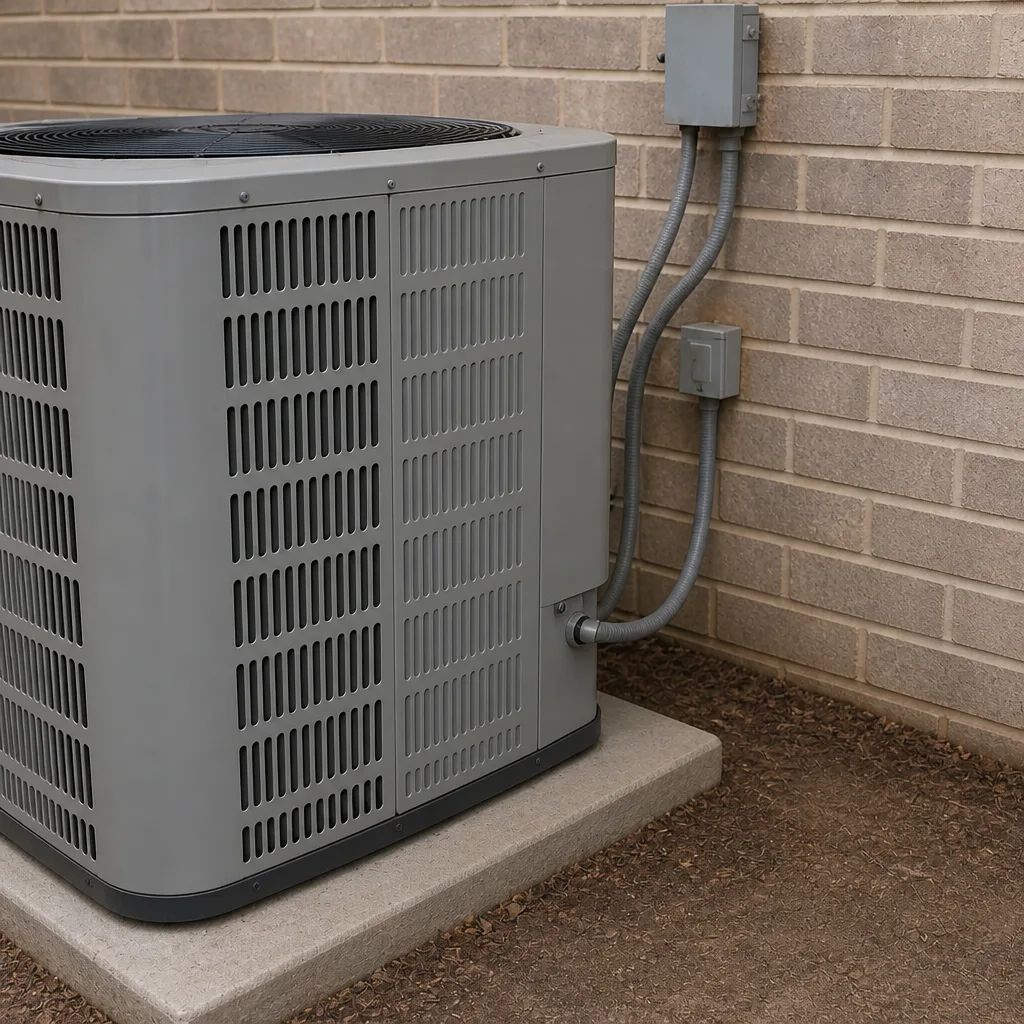
- Clean the outdoor coil. Gentle rinsing from the inside out with a garden hose, after killing power to the unit, removes the cottonwood fluff and grass clippings that cake the fins. Never use a pressure washer on coil fins.
- Clear clearance around the condenser. Two feet of clear space on all sides, and trim back the shrubs. A starved condenser in a Plano backyard works harder than it needs to and pulls more current.
Each of these takes under thirty minutes and none of them touch the parts that require certification. If you’re already scheduling a visit for something more involved, the AC repair page covers what a technician actually checks on a full diagnostic.
How DIY Work Affects Your Manufacturer Warranty
Here’s the part most homeowners discover too late. A manufacturer warranty, whether the equipment carries a Lennox, Goodman, Rheem, or York badge, has two components: the parts warranty and, on some equipment, a labor allowance. The parts warranty generally survives homeowner maintenance, but it can be denied if the manufacturer determines that non-certified work caused the failure. That’s the distinction that matters, and it’s the one that’s hardest to argue after the fact.
In practice, what voids coverage is not that you changed your own filter. It’s that a technician opens the unit, finds a compressor failure, and traces it to a miswired thermostat, an overcharged system, or a botched capacitor swap. At that point, the failure is attributable to unqualified work, and the manufacturer is within its rights to decline the claim. On a full system replacement, that can be the difference between a covered compressor and a several-thousand-dollar out-of-pocket repair.
The documentation side is just as important. A professional service record shows what work was done, by whom, and when. That record is what a warranty claim rests on. If a claim is ever contested, the paper trail is your protection, and a DIY repair leaves no such trail. This is one reason brand-neutral service matters: a technician who knows your specific equipment, whether that’s a Goodman or a Rheem, can document the work in the terms the manufacturer expects.
Where the warranty risk is highest
- Compressor failures: the most expensive component, and the one most often scrutinized for cause.
- Refrigerant charge issues: an overcharge or undercharge from a DIY top-off can be flagged instantly, and refrigerant handling is already illegal without certification.
- Electrical component swaps: a wrong-spec capacitor or contactor is a common cause of denied claims.
- Control board failures: often traced to thermostat wiring errors, which is the next section.
For a full picture of how a proper installation protects warranty coverage, the AC installation page walks through the equipment selection and documentation side.
Thermostat and Smart Home Work: Where DIY Pays Off and Where It Backfires
A basic thermostat swap is one of the few electrical tasks a homeowner can safely do, and it saves real money compared to a service call. The catch is that modern systems have made this less forgiving than it used to be. Older single-stage equipment runs on a handful of wires that map cleanly to a standard thermostat. A newer variable-speed or communicating system often uses a proprietary control protocol, and a generic smart thermostat either won’t talk to it or will run it at reduced capability.
The failure mode that costs real money is miswiring. Cross a wire, or fail to kill power at the air handler before you disconnect the old thermostat, and a short can take out the control board. A control board replacement is a job that costs more than the professional thermostat installation would have. We’ve seen this on systems across Plano, and the diagnosis usually takes longer than the original install would have, because the failure shows up as a system that just won’t start.
So the calculation is straightforward. If your system is a standard single-stage unit and you’re comfortable labeling wires and killing power at the source, a smart thermostat is a reasonable DIY project with a genuine payoff in scheduling and setback control. If your system is newer, variable-speed, or uses a proprietary communicating thermostat, the safe call is professional installation, because the risk of a control board failure outweighs the savings.
How to tell which camp you’re in
- Turn off power at the air handler and the outdoor unit before touching anything.
- Pull the old thermostat faceplate and photograph the wire terminals before disconnecting.
- Count the wires. Four or five wires running to a single-stage system is a green light.
- If you see a communicating or proprietary connector instead of individual terminals, stop and call a technician.
- If the thermostat was installed by the builder with a branded communicating system, assume it needs professional attention.
How to Prepare for a Professional Visit and Cut Diagnostic Time
Diagnostic time is billable, and the faster a technician can get to the actual problem, the lower your bill. Homeowners who prepare well routinely shave time off a visit without spending a dollar. The principle is simple: remove the obstacles between the technician and the equipment, and answer the obvious questions before they’re asked.
- Clear access to the indoor air handler and outdoor condenser. Move the boxes, the holiday decorations, the bicycles. A technician who has to relocate stored items is not diagnosing.
- Write down the symptoms and when they started. “Upstairs gets warm after 2pm” is worth more than “it doesn’t cool.” Specifics shorten the diagnostic window.
- Note the thermostat model and the equipment age if you know it. The model plate on the outdoor unit is all a technician needs, but having it ready saves a step.
- Check and replace the filter before the visit. A clogged filter is the most common cause of “it’s not cooling,” and confirming the filter is clean rules out the cheapest explanation first.
- Confirm power at the breaker and at the service switch. A tripped breaker or a switched-off service disconnect happens more often than homeowners expect.
- Keep pets secured and clear the path to the unit. This is small, but it keeps the visit focused.
If your system is older and you’re weighing a repair against replacement, the Plano page covers the local service context in more depth.
The DIY Skills Worth Learning for Plano’s Climate
Plano sits in a stretch of North Texas where the cooling season runs long and the humidity is persistent. That combination puts specific wear on specific parts of an HVAC system, and the homeowner who understands that pattern can prevent most emergency calls with a little preventive work. Three tasks matter more here than they would in a drier or cooler climate.
Condensate maintenance. In a humid summer, the air handler produces a steady stream of condensate, and that stream feeds algae growth in the drain line and the drain pan. A monthly flush, plus a visual check that the pan is draining freely, prevents the most common water-damage call in the area. If you see standing water in the pan or a slow drain, that’s the moment to flush, not later.
Filter sizing and replacement cadence. A filter that’s undersized for the return opening lets debris bypass it and coat the evaporator coil. A filter that’s oversized and too restrictive chokes airflow and can ice the coil. Using the correct size and the right MERV rating for your system, and changing it on a Plano-appropriate schedule during the heavy cooling months, is the cheapest preventive maintenance there is.
Outdoor unit clearance. The condenser needs airflow, and in a Plano yard, that means keeping decorative shrubs, ivy, and stored items clear of the panels. Two feet of space on all sides is a reasonable target. A condenser that can’t breathe runs hotter, pulls more current, and fails sooner.
None of these require tools beyond a hose, a cup, and a filter. Together they cut down the calls that would otherwise land in the middle of a heat wave. The brand-agnostic side matters here too: our technicians have up to 15 years of experience with the major systems installed in Plano homes, from Lennox to Goodman, so a quick call to confirm a specific question is never wasted.
A Realistic Cost Comparison
The honest cost comparison isn’t DIY versus professional in the abstract. It’s the cost of the task done correctly, versus the cost of the task done incorrectly plus the cost of the professional needed to fix it. Most DIY HVAC tasks, done right, save money. The expensive outcomes come from attempting the wrong task.
- Filter change: a few dollars in parts, twenty minutes. Clear DIY win with no downside.
- Condensate flush: vinegar and a wet-vac. Prevents the most common water-damage call in the region.
- Outdoor coil rinse: a garden hose. Worthwhile, and safe if the power is off.
- Basic thermostat swap: DIY pays off on a standard single-stage system.
- Smart thermostat on a communicating system: DIY risk exceeds the installation cost, because a miswire can take out a control board.
- Capacitor or contactor swap: legal but easy to get wrong on spec, and a warranty risk on failure.
- Refrigerant, gas, and electrical panel work: not a DIY option at any price, because the legal and safety cost is not worth the savings.
We give a free estimate on any job, so you can compare the professional number against the real risk of doing it yourself. The written estimate is what sets the final price, and there’s no obligation.
Common Mistakes to Avoid
- Skipping the power disconnect. Turning off the thermostat is not the same as killing power at the air handler and the outdoor unit. A live circuit during a filter or coil task is how homeowners get a shock, and a live circuit during a thermostat swap is how control boards fail.
- Using a high-MERV filter to “get cleaner air.” A filter that’s too restrictive for the blower starves the coil of airflow and can ice it. Match the MERV rating to your system, not to the boldest claim on the box.
- Topping off refrigerant yourself. Beyond the fact that handling refrigerant without EPA 608 certification is illegal, a system that’s low is leaking, and a top-off masks the leak until the compressor fails. Charge is a symptom, not a fix.
- Pressure-washing the outdoor coil. It bends the fins flat and reduces heat transfer permanently. A garden hose, gently, from the inside out is the correct tool.
- Ignoring a drain line that’s been slow for weeks. In Plano’s humid summers, a slow drain is a warning, and the failure mode is water in the ceiling below the air handler.
- Assuming a builder-grade thermostat is user-swappable. Many newer Plano homes came with communicating systems, and a generic smart thermostat either won’t work or will run the equipment below its capability.
- Filing a warranty claim on a system with undocumented DIY repairs. The documentation trail is what the manufacturer relies on, and the absence of one can turn a covered failure into an out-of-pocket one.
When to Call a Professional
Call a technician the moment the job touches refrigerant, gas, the electrical panel, or a component you can’t identify with confidence. Those are not judgment calls; they’re licensure and safety matters, and the possible savings never justify the risk. Call immediately if you smell gas, hear the outdoor unit short-cycling, see ice on the indoor coil, or notice the system isn’t keeping up during a Plano heat wave. Those symptoms point to a sealed-system or compressor issue that only a certified technician can legally fix, and the sooner it’s diagnosed, the lower the total cost. We work on your brand, whether it’s Rheem, York, Lennox, or any of the other major makes installed across northern Texas, and we’ll tell you plainly when a repair is the right call and when a replacement makes more financial sense. Benchmark AC Repair offers free estimates in Plano. Call (833) 488-8546. We answer 24/7. Fast dispatch from 7am to 7pm, Sunday through Friday.
See the difference
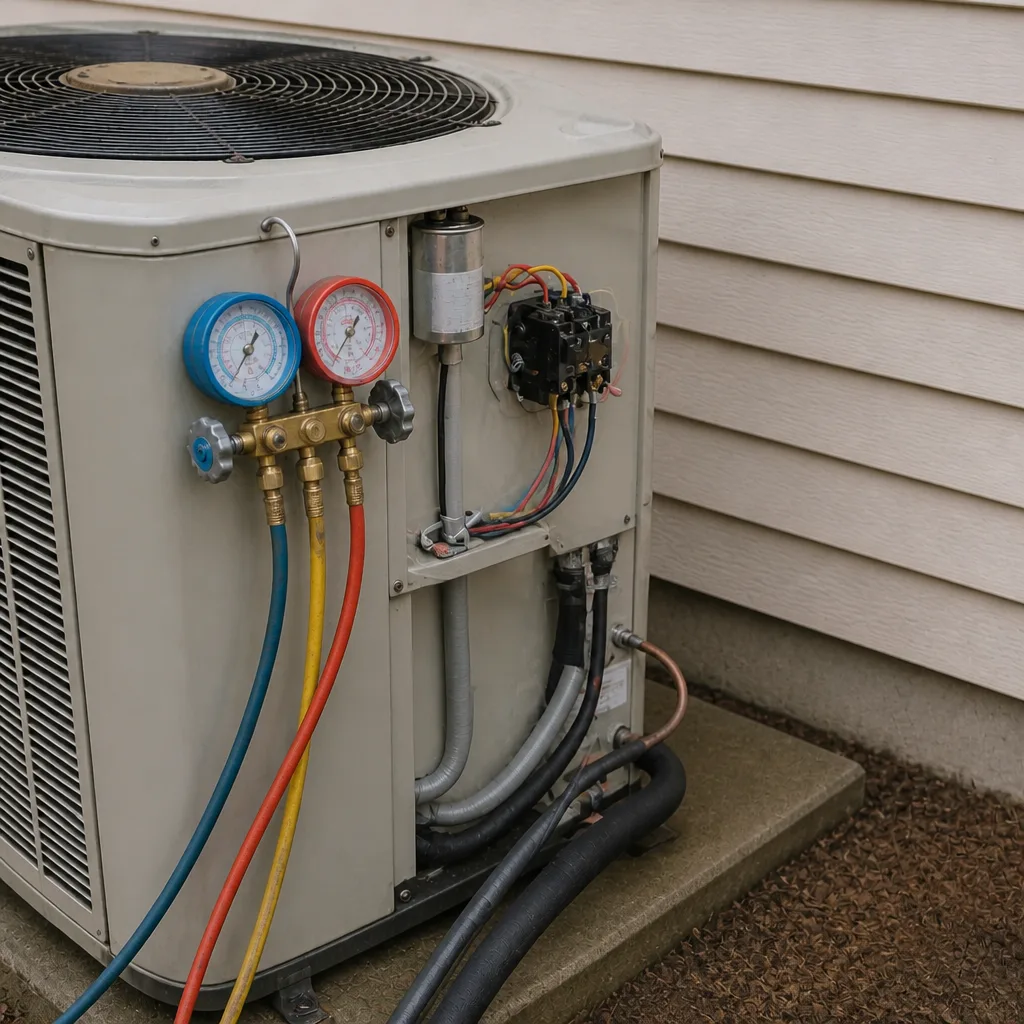
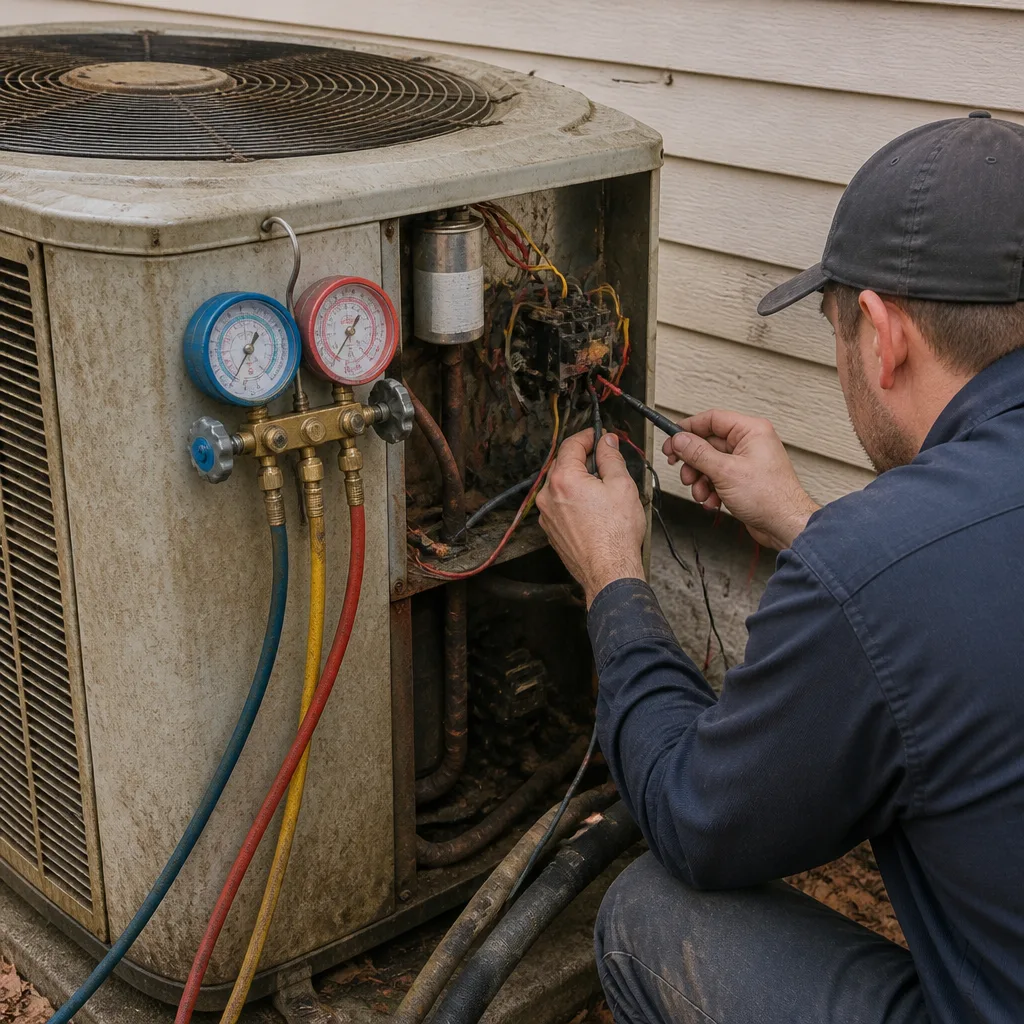 Before
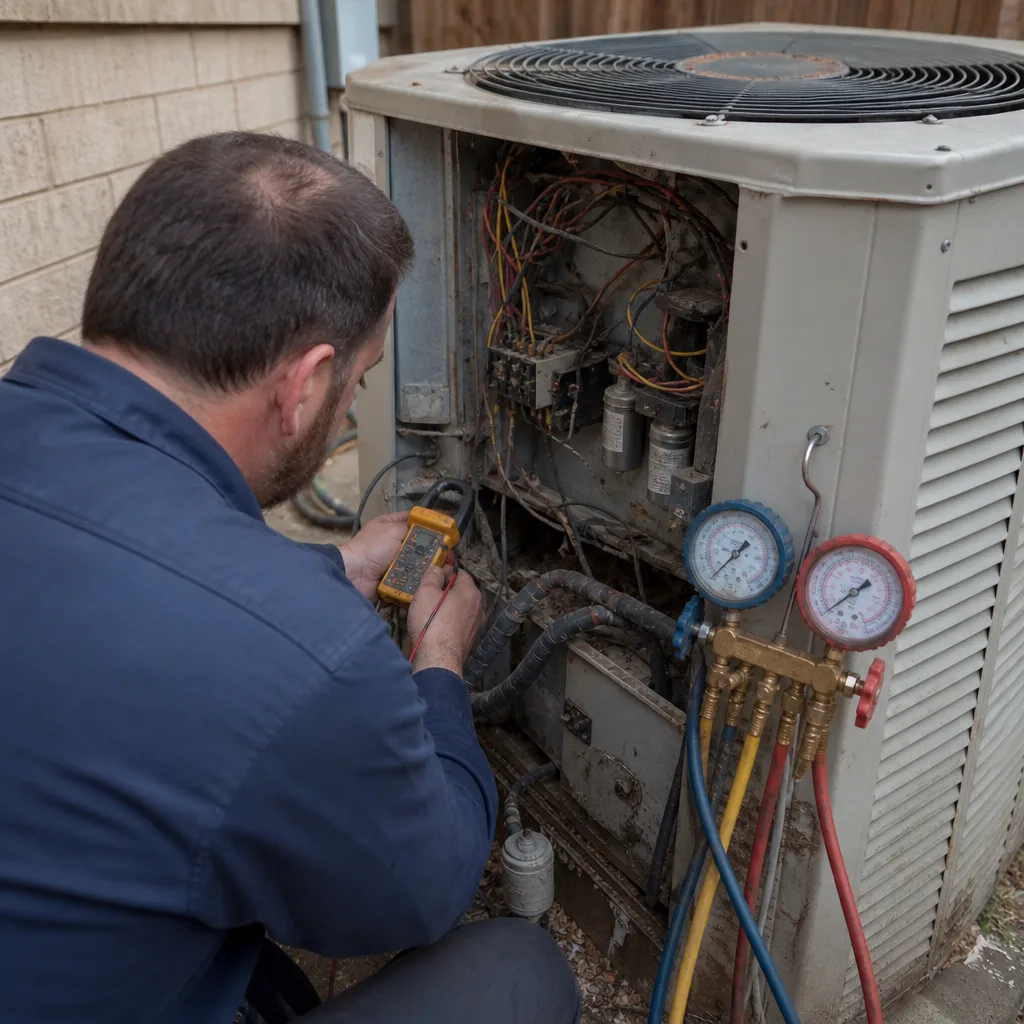
 After
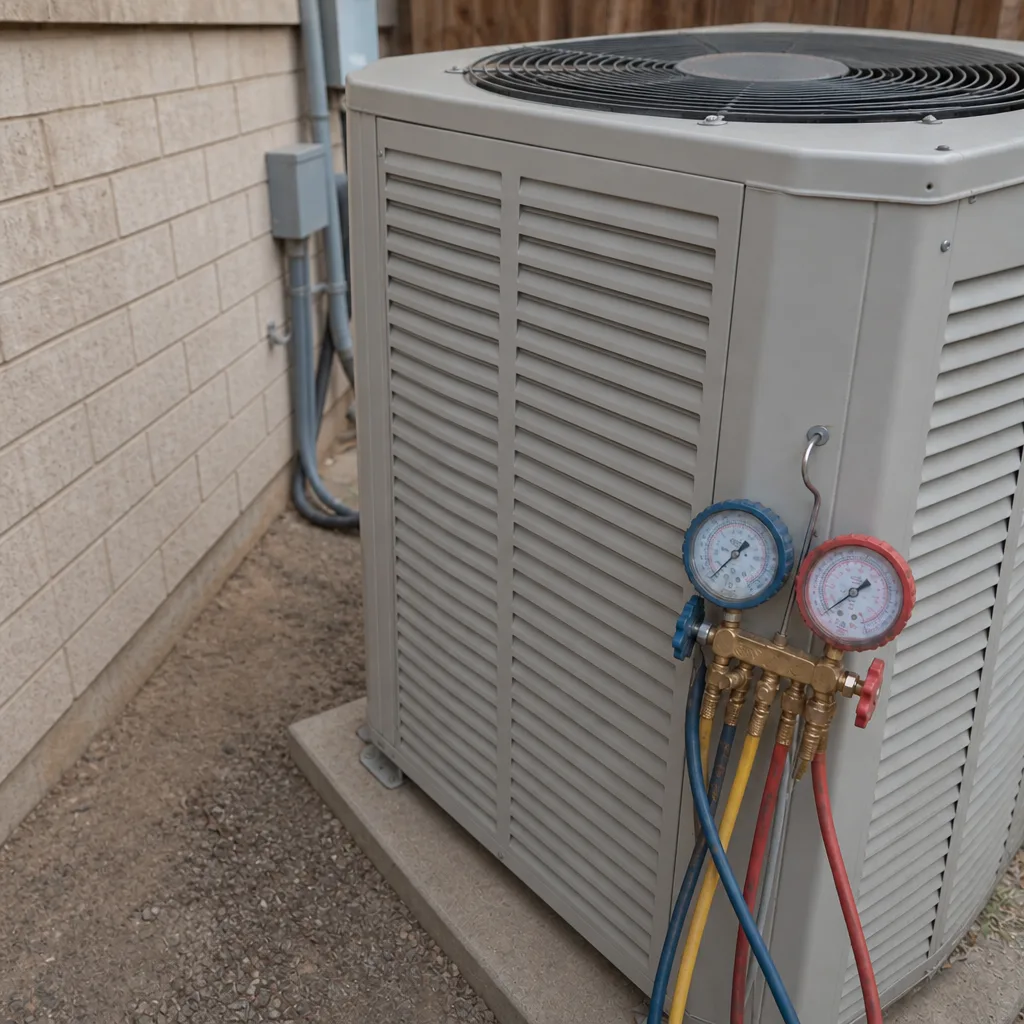
 Before
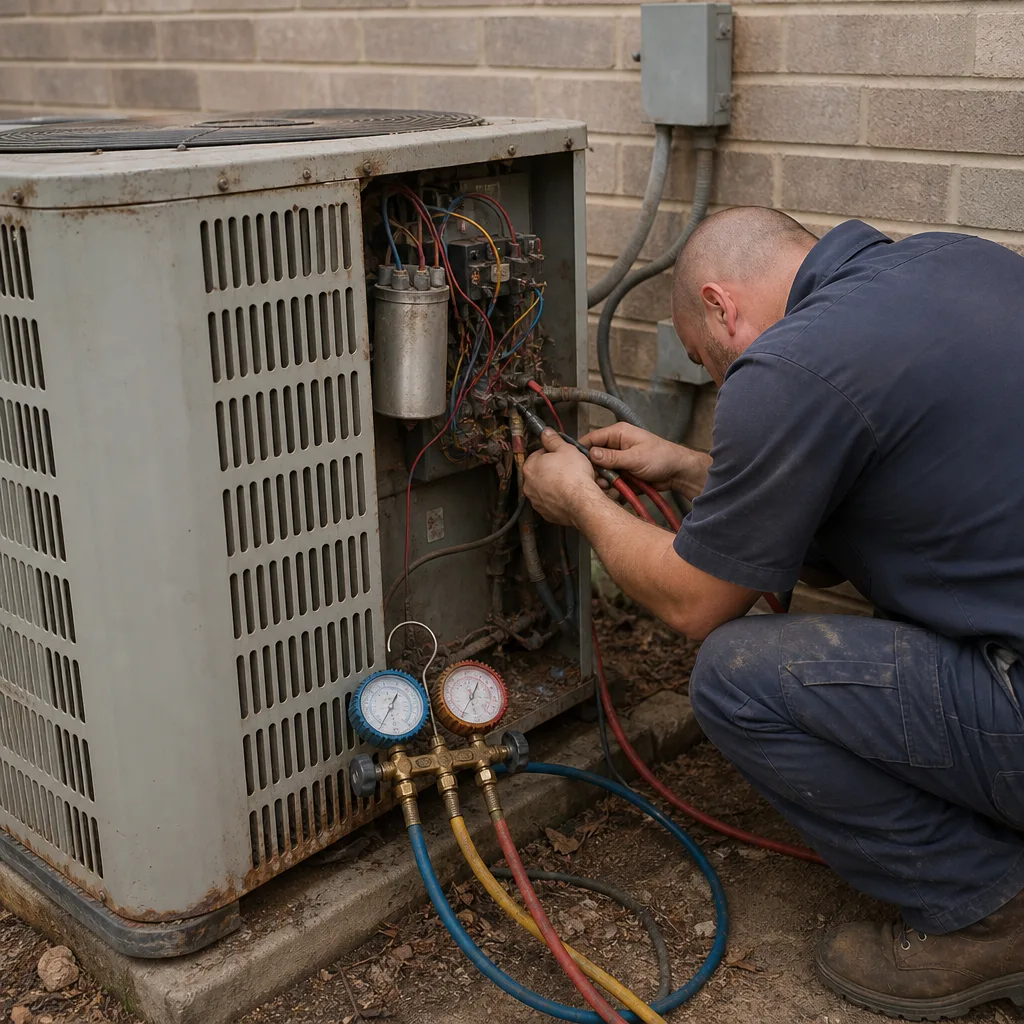
 After
 Before
 After
Frequently Asked Questions
No. Handling refrigerant requires EPA Section 608 certification, which is a federal requirement, and Texas licensing rules reinforce it. A homeowner cannot legally add, recover, or charge refrigerant, and supply houses won’t sell it to an uncertified buyer. If your system is low, call (833) 488-8546 for a diagnosis; estimates are free.
No, a routine filter change is expected homeowner maintenance and does not void a parts warranty. What can jeopardize a warranty is non-certified work that causes a failure, such as a miswired thermostat or a wrong-spec electrical part. Keep the documentation for any professional service and you’re on solid ground. Call (833) 488-8546 if you’re unsure whether a specific task is covered.
Filter changes, condensate drain flushing, outdoor coil rinsing, clearance checks, and low-voltage thermostat swaps on standard single-stage systems are all legal for a homeowner in Plano. Anything involving refrigerant, gas, the electrical panel, or a communicating control system should go to a licensed technician. Call (833) 488-8546 for a free estimate on the professional side.
On a standard single-stage system with four or five low-voltage wires, yes, provided you kill power at the air handler first and photograph the wiring before you disconnect. On a variable-speed or communicating system, the risk of a control board failure outweighs the savings, and professional installation is the safer call. Call (833) 488-8546 if you’re not sure which system you have.
Clear access to the indoor and outdoor units, write down specific symptoms and timing, confirm the breaker and service switch are on, and replace the filter before the visit. Each of those removes diagnostic time from the visit, and diagnostic time is what you pay for. Call (833) 488-8546 to schedule; estimates are free.
It depends on the age of the equipment, the cost of the repair relative to a replacement, and whether the failure is in the sealed system. A refrigerant leak or compressor failure on older equipment usually tips the decision toward replacement, while a failed capacitor or blower motor is almost always worth repairing. Call (833) 488-8546 for a free, brand-neutral estimate, and we’ll give you the honest comparison.
The Bottom Line
The DIY versus professional question has a clear answer once you stop treating it as a single decision. Filter changes, drain flushes, coil rinses, clearance checks, and basic thermostat swaps are legal in Texas, genuinely worth learning, and they prevent most emergency calls in Plano’s long, humid cooling season. Refrigerant handling, gas work, electrical panel work, and communicating thermostat installations are the hard line, and they belong to a certified technician both for legal reasons and for safety. The space between those poles is decided by warranty documentation and control-board risk, and the honest move is to have a professional assess it rather than gamble on the part you can’t verify. Whatever system you have, we know it, and we’ll tell you the truth about which side of the line your job is on.
Call (833) 488-8546 for a free estimate. We answer 24/7. Fast dispatch from 7am to 7pm, Sunday through Friday.
Written by the team at Benchmark AC Repair.