
Last updated November 14, 2026
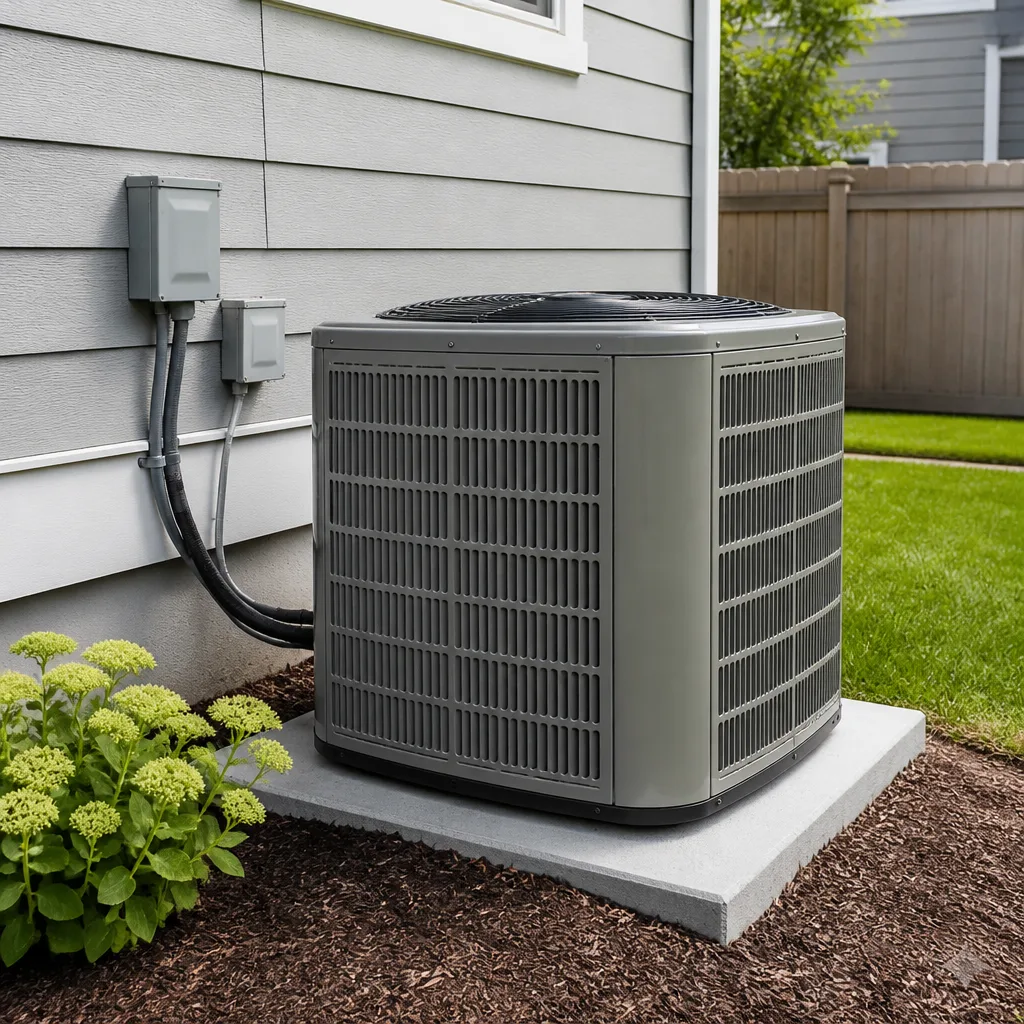 AC repair
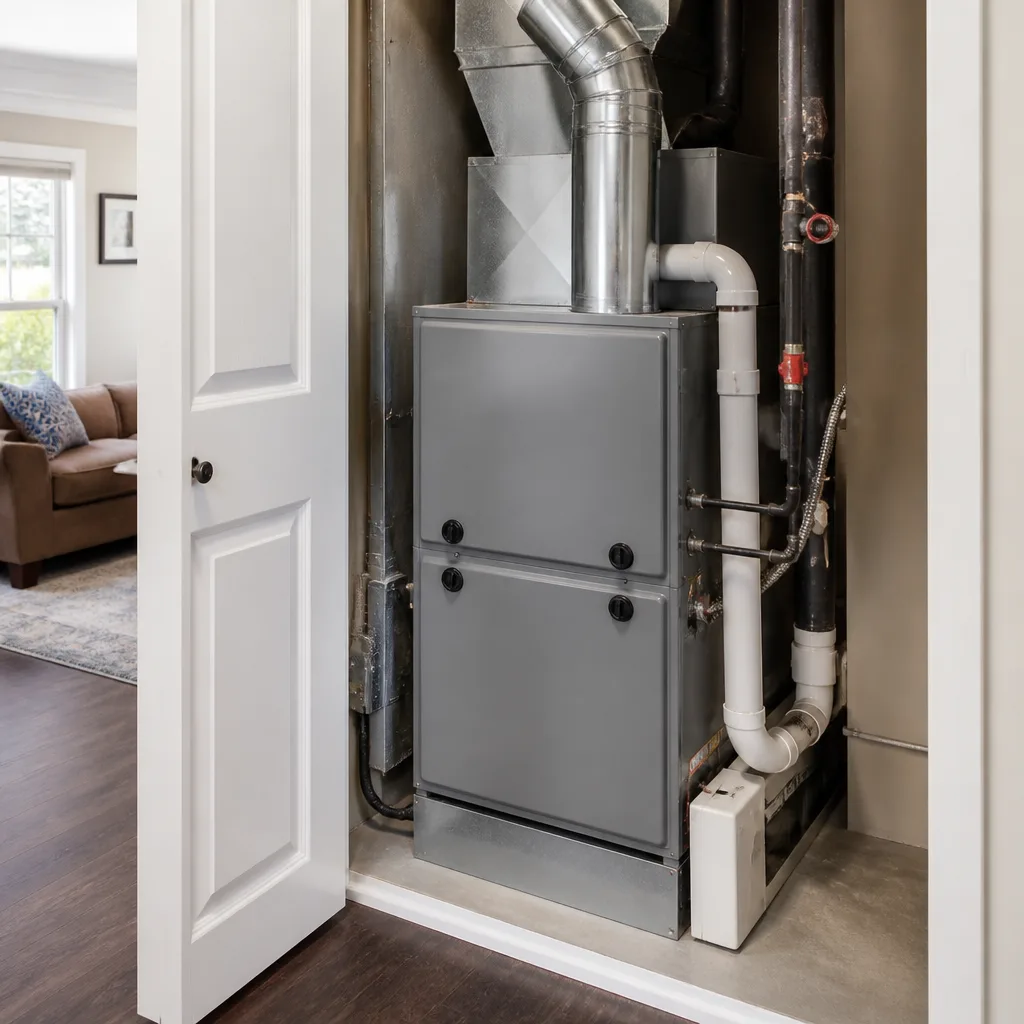 Furnace & heating
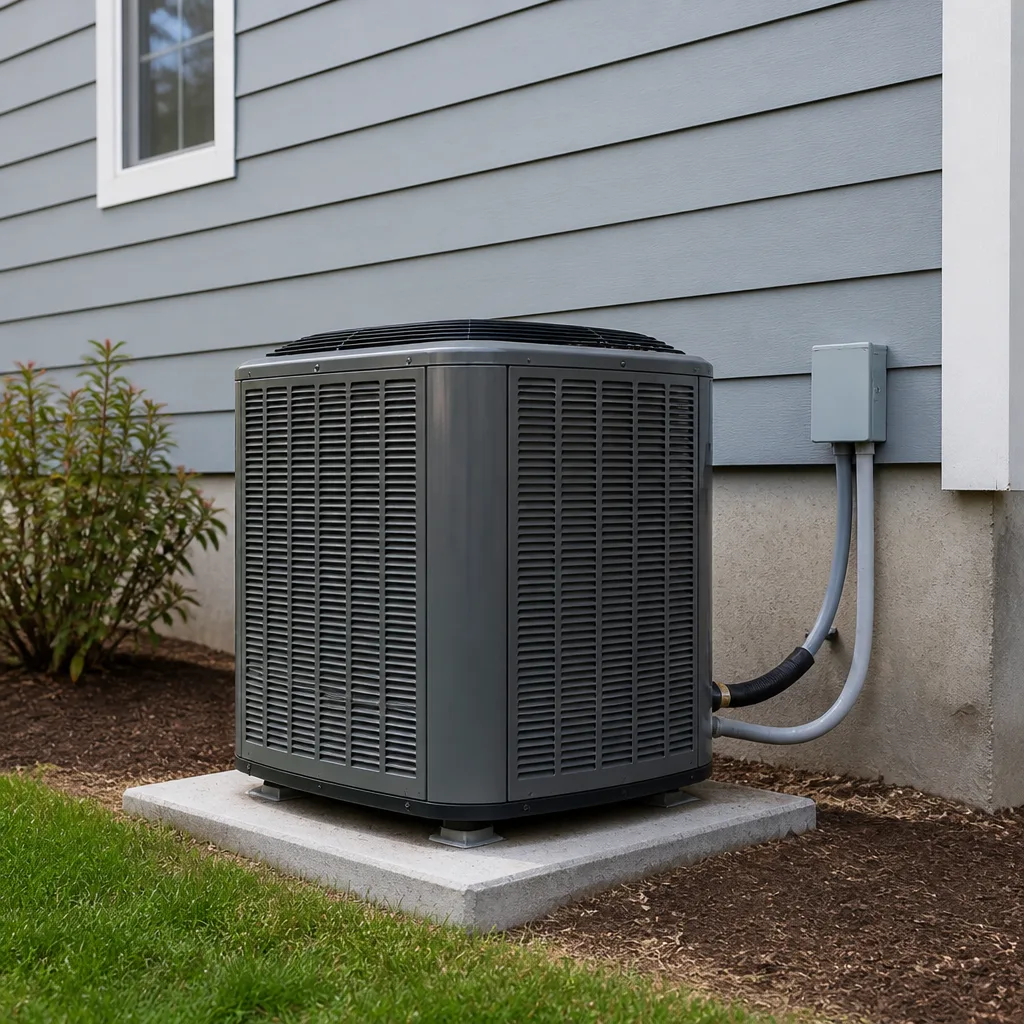 Heat pumps
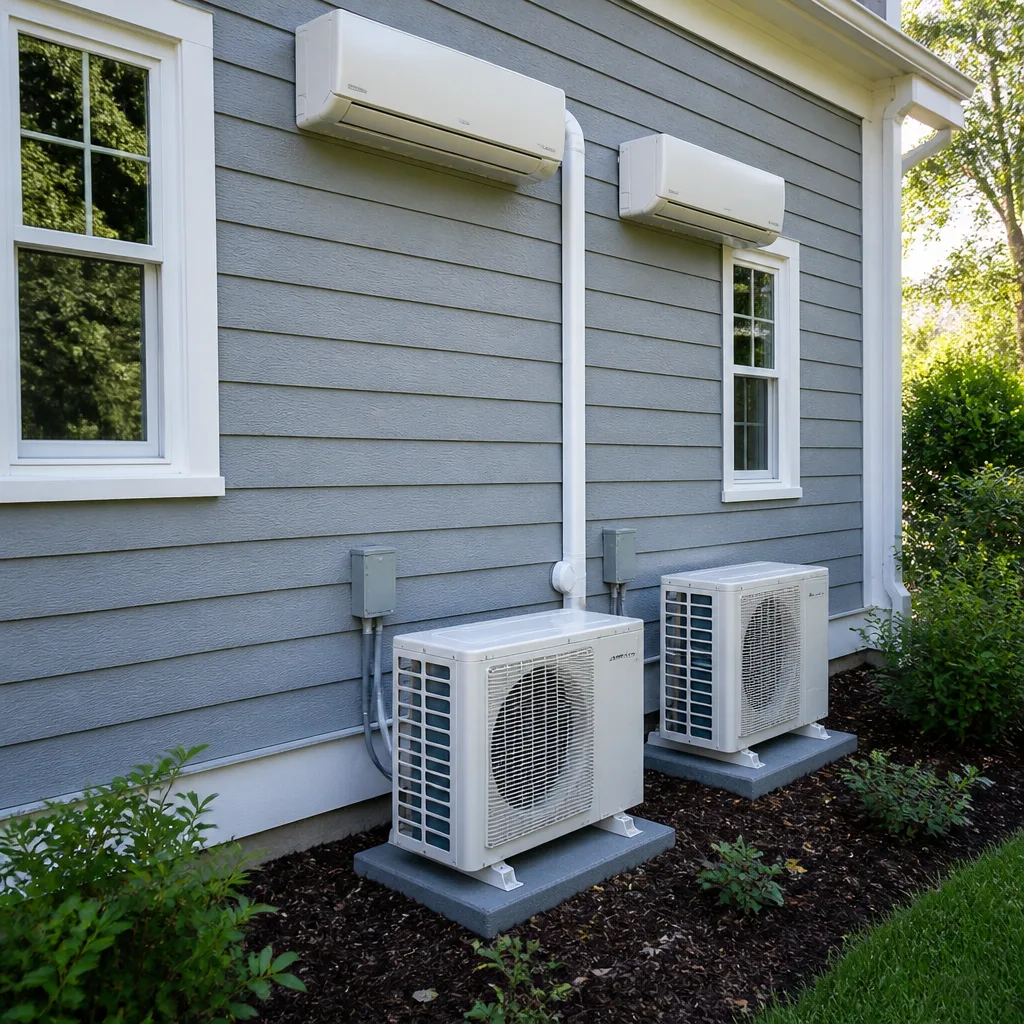 Ductless mini splits
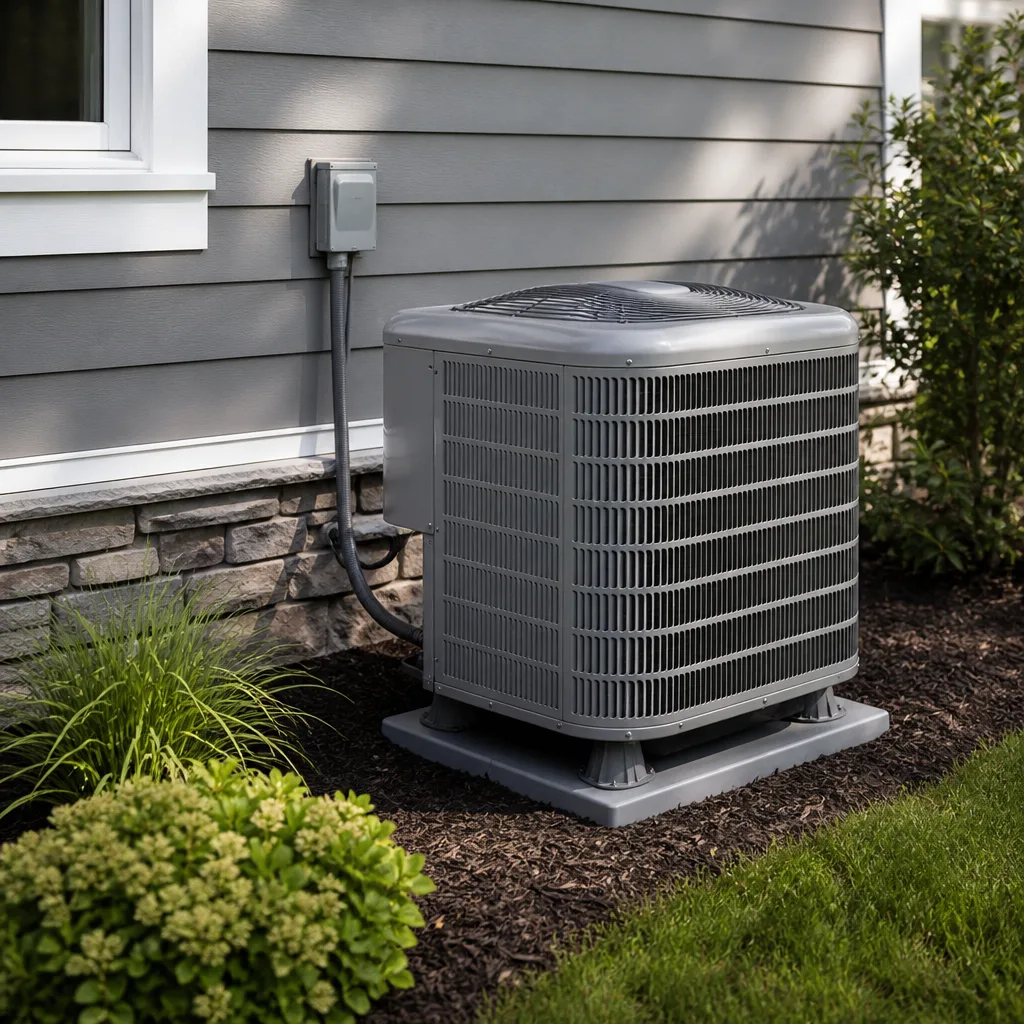 Carrier
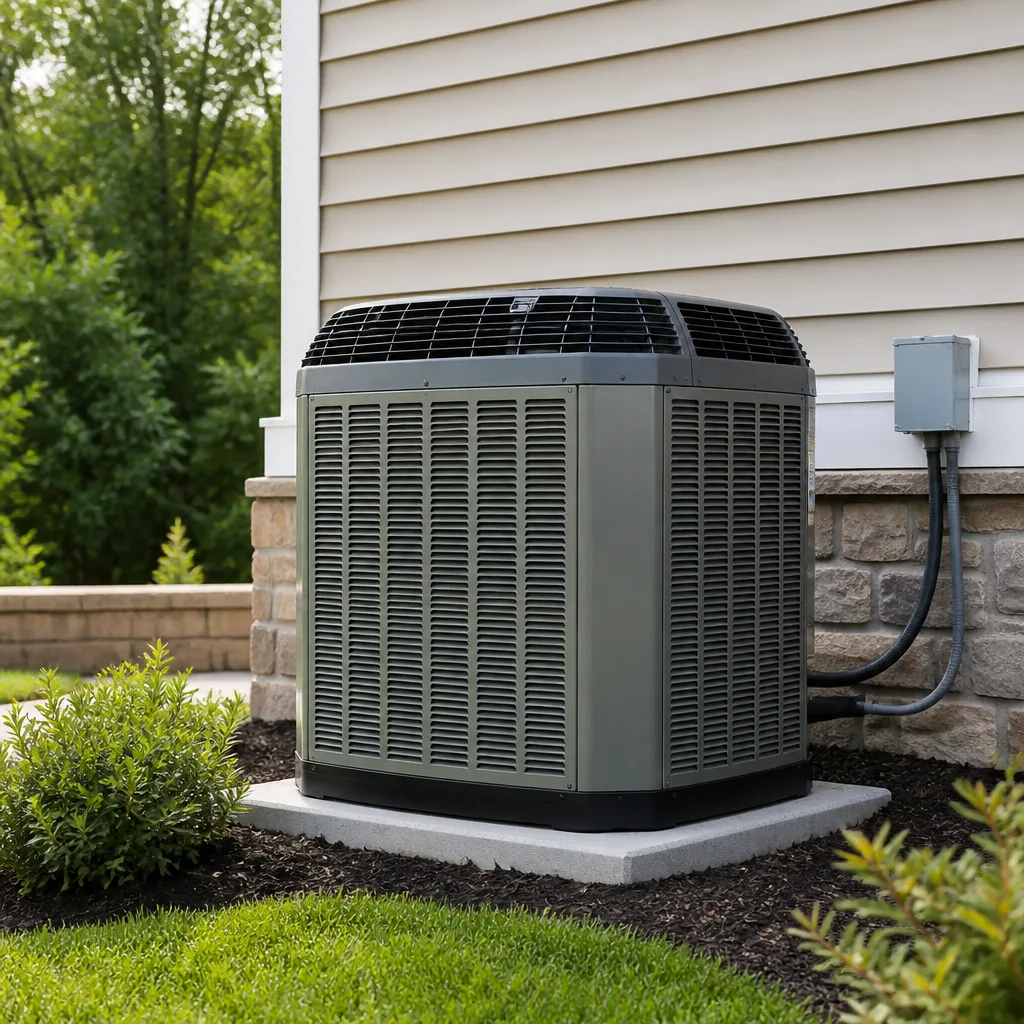 Trane
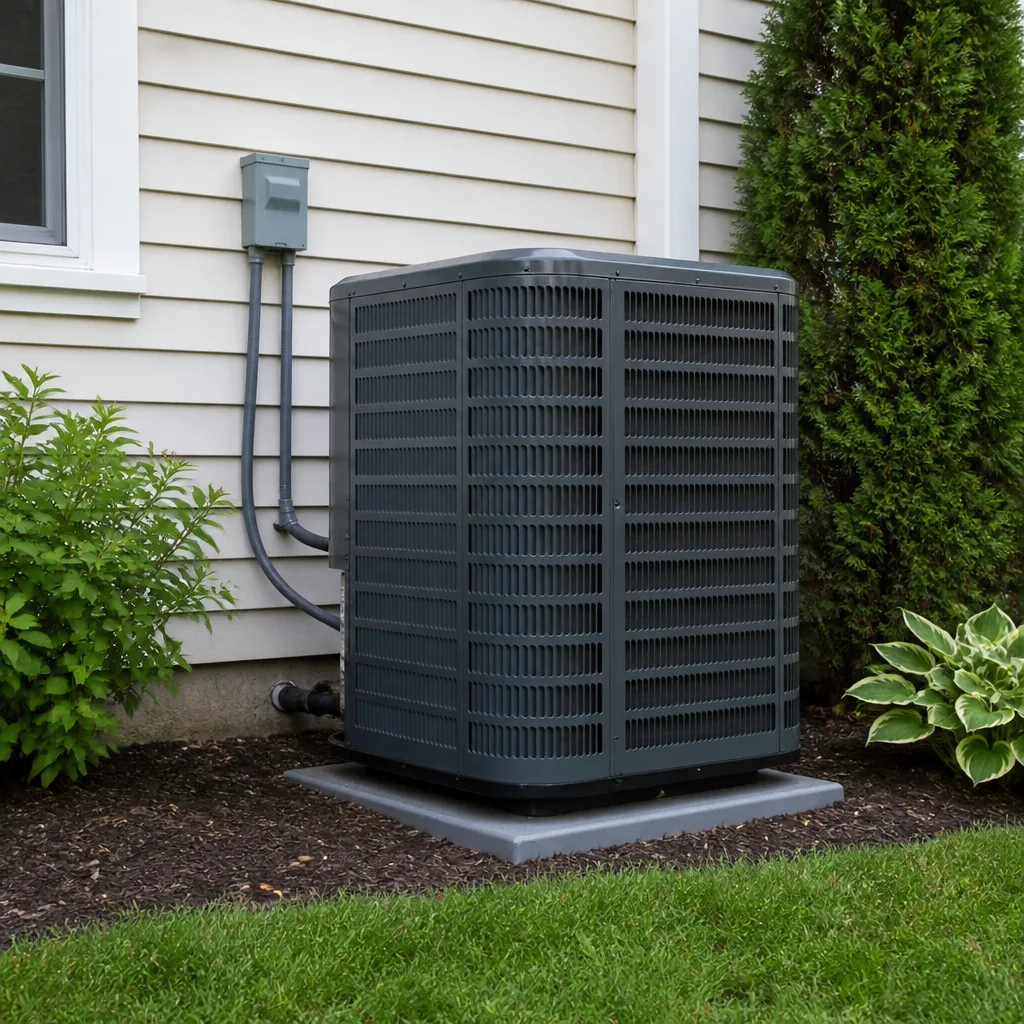 Goodman
Seasonal tune-up and full diagnostic on your Carrier, Trane, or Goodman system - readings shown to you before any repair is proposed
Diagnosis first, numbers second - you approve the repair price before a single part goes in.
Get your free estimateHVAC Cost Breakdown: The Plano Homeowner’s Reference for 2026
Two homes on the same Plano street, both around 2,400 square feet, can receive AC replacement quotes that differ by several thousand dollars. Both quotes can be legitimate. The gap usually has nothing to do with the equipment name on the box and everything to do with what sits between the box and your living room: attic layout, ductwork condition, electrical capacity, and how hard your particular install is to reach. This guide breaks a Plano HVAC quote into its parts so you can judge a proposal on what it actually includes rather than how it compares to a number you saw online.
Quick Answer
A full AC and furnace replacement in Plano typically runs from roughly $8,000 to $18,000 depending on system size, efficiency tier, and how much ductwork or electrical work the job requires. Repairs are a different scale entirely, usually a few hundred dollars for common failures and more when major components like a compressor or blower motor are involved. The written estimate, not a range on a website, sets your final price.
Styles & brands we work with
- AC repair
- Furnace & heating
- Heat pumps
- Ductless mini splits
- Carrier
- Trane
- Goodman
Table of Contents
- What actually drives HVAC cost in Plano
- Line items in an installation quote
- How Plano attic configuration changes labor cost
- SEER2 and the 2023 minimum efficiency change in Texas
- Distributor-tier vs. contractor-tier equipment
- Financing and utility rebates in 2026
- How to read a Plano HVAC quote
What Actually Drives HVAC Cost in Plano?
Cost in Plano is driven less by brand and more by the physical work of swapping a system inside your house. Equipment is the most visible line on a quote, but it’s often not the largest variable. Two contractors can install the same model and land on prices that differ by thousands because of what each one plans to do about ducts, wiring, and access.
Here’s what moves the number most:
- System size and load. A larger tonnage system costs more in equipment and labor. The correct size comes from a load calculation, not a rule of thumb.
- Efficiency tier. Higher SEER2 equipment costs more up front and can qualify for more utility incentives.
- Ductwork condition. Leaky, undersized, or collapsed ducts are common in older Plano homes and can be the single biggest add-on.
- Electrical capacity. A panel that can’t carry the new equipment’s circuit means added electrical work.
- Access. A closet unit on the ground floor costs less to replace than an attic system you reach through a small hatch.
- Location of components. Plenty of Plano homes have the air handler in the attic and the condenser on a tight side yard, which changes how a crew plans the day.
The takeaway: read the quote for what’s included, not just the total. A low number that omits duct sealing or a permit is not actually lower.
What Goes Into an Installation Quote?
A transparent installation quote breaks the job into line items. When you see them separated, you can tell which items are fixed by the trade and which are negotiable in scope.
- Equipment. The condenser, air handler or furnace, coil, and thermostat. This is a range depending on tier and efficiency.
- Labor. Removal of old equipment, setting new units, brazing lines, charging the system, and startup. Labor varies with access and complexity.
- Refrigerant. The charge for the new system, plus any line set changes if the existing lines aren’t compatible.
- Permits. Most Plano-area jurisdictions require a permit for a system replacement. Ask your city’s building department what applies to your address.
- Electrical modifications. New disconnects, breaker changes, or panel work when capacity is short.
- Ductwork repairs. Sealing, resizing, or partial replacement where the existing ducts can’t handle the new system.
- Disposal. Hauling off the old equipment and refrigerant recovery.
- Thermostat and controls. A standard programmable or a smart thermostat, and whether wiring already supports it.
Equipment, labor, and refrigerant are essentially fixed costs on a well-scoped quote. Ductwork, electrical, and thermostat tier are where scope legitimately changes from home to home. A quote that’s far below others is often missing one of the scope items, not offering you a deal.
How Does Attic Configuration Change Labor Cost in Plano?
Plano’s housing stock leans heavily toward single-family homes built across several decades, and many of them place the air handler and much of the ductwork in the attic. In summer, that attic is one of the hottest spaces in the house. Radiant barrier, insulation depth, and access difficulty all change how long the job takes, which changes your labor cost even when the equipment price is identical.
What we watch for on a Plano install:
- Radiant barrier presence. Attics with a proper radiant barrier run cooler, which makes the crew’s work safer and faster.
- Insulation depth. Deeper insulation is better for your energy bill but can bury duct runs, making them harder to inspect and repair.
- Access hatch size. A narrow scuttle means equipment and materials come in and out in smaller pieces.
- Duct length and routing. Long, tangled runs with sharp turns cost more to seal and repair than short, direct ones.
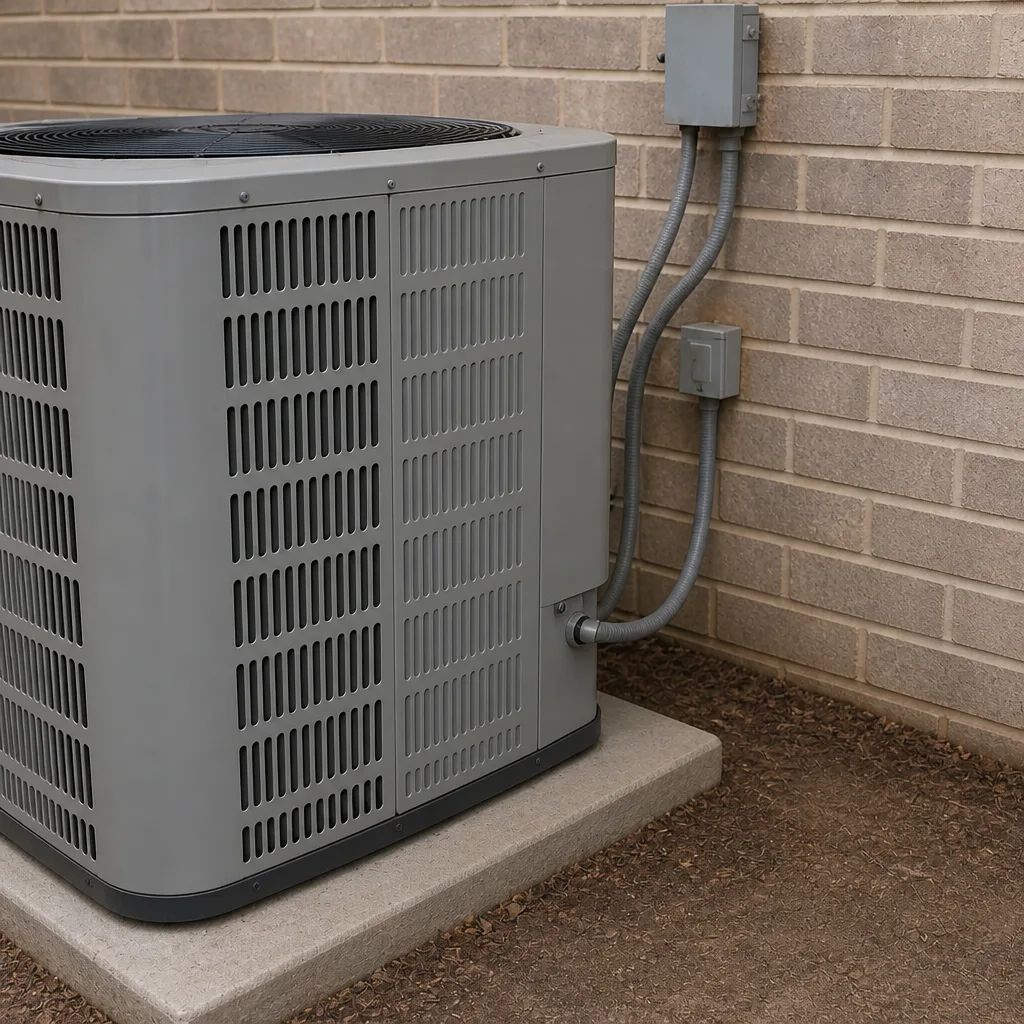
- Platform condition. A unit on a properly sized, stable platform needs less prep work than one balanced on a marginal surface.
None of this shows up as a line called “attic.” It shows up inside labor and ductwork. If a quote doesn’t account for your attic’s condition, the contractor either hasn’t looked or hasn’t priced the work. Whichever it is, you want to know before signing.
Why Did the Minimum Efficiency Floor Change in Texas, and What Does It Mean for 2026?
In 2023 the national minimum efficiency standard moved to SEER2, and Texas sits in the region with the strictest minimum. In practical terms, the least efficient equipment a contractor can legally install here is now better than the least efficient equipment allowed before 2023. That raised the floor on equipment cost for everyone replacing a system in Plano, regardless of brand or contractor.
What that means for 2026 replacement decisions:
- You can’t buy a bottom-tier system anymore. The old budget model is gone, so every replacement now starts from a higher equipment baseline.
- The step from minimum to mid-tier is smaller than it used to be. Because the floor moved up, the marginal cost of going one tier higher is often narrower than you’d expect.
- Higher-efficiency units can qualify for more utility incentives. The paperwork matters. More on that below.
- Old systems hold value differently. If your current system predates 2023 and still runs, the efficiency gap to a new unit is real but not urgent. If it fails, you’re buying into the new floor.
In short, SEER2 raised the baseline. A quote you see in 2026 isn’t overpriced because it’s higher than a memory from 2019. It’s a different minimum standard. The question to ask is where on the tier ladder the proposal sits, and why.
Are All Systems With the Same Brand Name the Same Equipment?
No. The same brand name can appear on two very different pieces of equipment, and the price gap reflects it. Manufacturers build equipment at different tiers, and a distributor will sell some models to contractors at a different price point than others. The brand on the box tells you the manufacturer. The model number tells you which tier you’re actually buying.
How we think about tiers when recommending a system in Plano:
- Build quality and component tolerances differ between the entry models and the upper tiers, even within one brand.
- Upper tiers often mean quieter operation, better compressor controls, and longer expected service life, not just a higher efficiency number.
- The tier matters more than the badge for long-term reliability. A top-tier Rheem and a top-tier York will both serve you well; an entry-tier of either is a different animal.
- Brand fit varies by house. Duct size, static pressure, and available closet or attic space can eliminate one brand and favor another for reasons that have nothing to do with brand reputation.
This is why we stay brand-neutral when recommending a replacement. We work on equipment from Carrier, Trane, Lennox, Goodman, Rheem, York, Daikin, Bryant, and American Standard, so there’s no reason to steer you toward one manufacturer. The right system for your Plano home is the one that fits the ducts, the space, the load, and your budget, not the one that’s easiest for a contractor to sell.
What Financing and Utility Rebates Can Plano Homeowners Actually Use?
Two things typically help Plano homeowners offset a replacement: manufacturer or third-party financing, and utility efficiency rebates. Both exist in 2026, but the specific dollar amounts change, so treat any figure you read online as a starting point and confirm current terms with the lender, the utility, and your contractor before you sign.
The realistic path:
- Get the rebate paperwork before the install. Many utility programs, including Oncor’s efficiency offerings, require pre-approval or specific documentation. If you install first, you can miss the window.
- Match the equipment tier to the rebate tier. Rebates are usually tied to efficiency levels. Buy a system just below the threshold and you get nothing back.
- Don’t stack two rebates on the same component. Some programs exclude each other. Ask the utility which combinations are allowed before finalizing.
- Use financing for cash flow, not for a bigger system. Financing spreads the cost; it doesn’t lower it. Choose the system on fit, then choose the payment method.
- Keep every document. Invoices, model numbers, install dates, and inspection records are what the utility asks for.
If a rebate sounds too good to be true, or if a contractor promises a specific rebate dollar amount before confirming it with the utility, slow down. Rebate rules are set by the utility and can change.
How Do You Read a Plano HVAC Quote Like a Technician Would?
Strip the marketing language and check six things. If a quote covers all six clearly, it’s doing its job.
- Model numbers, not brand names alone. The exact model of condenser, air handler or furnace, coil, and thermostat.
- System size and how it was determined. Ask whether a load calculation was done. A rule-of-thumb tonnage without a load calc is a red flag.
- Scope of ductwork. Is duct repair, sealing, or replacement included, or excluded with a note to inspect after opening the system?
- Electrical scope. Any panel or disconnect work identified, or stated as not needed.
- Permit responsibility. Named as the contractor’s job, or quietly on you.
- Startup and verification. Whether the system is commissioned and what you receive in writing at the end.
A quote worth comparing has all six. A quote that lists a brand, a price, and a handshake doesn’t let you compare at all. When you compare, compare scope against scope, not total against total.
Common Mistakes to Avoid
- Comparing the bottom line only. A low total often means missing duct or electrical scope. Compare what’s included, not just the number.
- Skipping the load calculation. An oversized system short-cycles in a Plano summer, which wears components faster and controls humidity poorly. Size comes from a calculation, not square footage alone.
- Buying on brand alone. Any of the major brands can serve you well at the right tier. The tier and the fit matter more than the badge.
- Skipping the permit. An unpermitted replacement can complicate future sales inspections and won’t be on record with your city’s building department.
- Missing the rebate window. Many utility rebates require pre-approval or specific documentation. Installing first and asking later can void the incentive.
- Assuming all ductwork is fine. We see plenty of Plano attics where the ducts are the real problem. Replacing equipment without addressing ducts can leave you with a new system that underperforms.
- Ignoring the furnace because it’s summer. The heating side fails in winter, and replacing both systems at the same time usually costs less than two separate projects.
See the difference
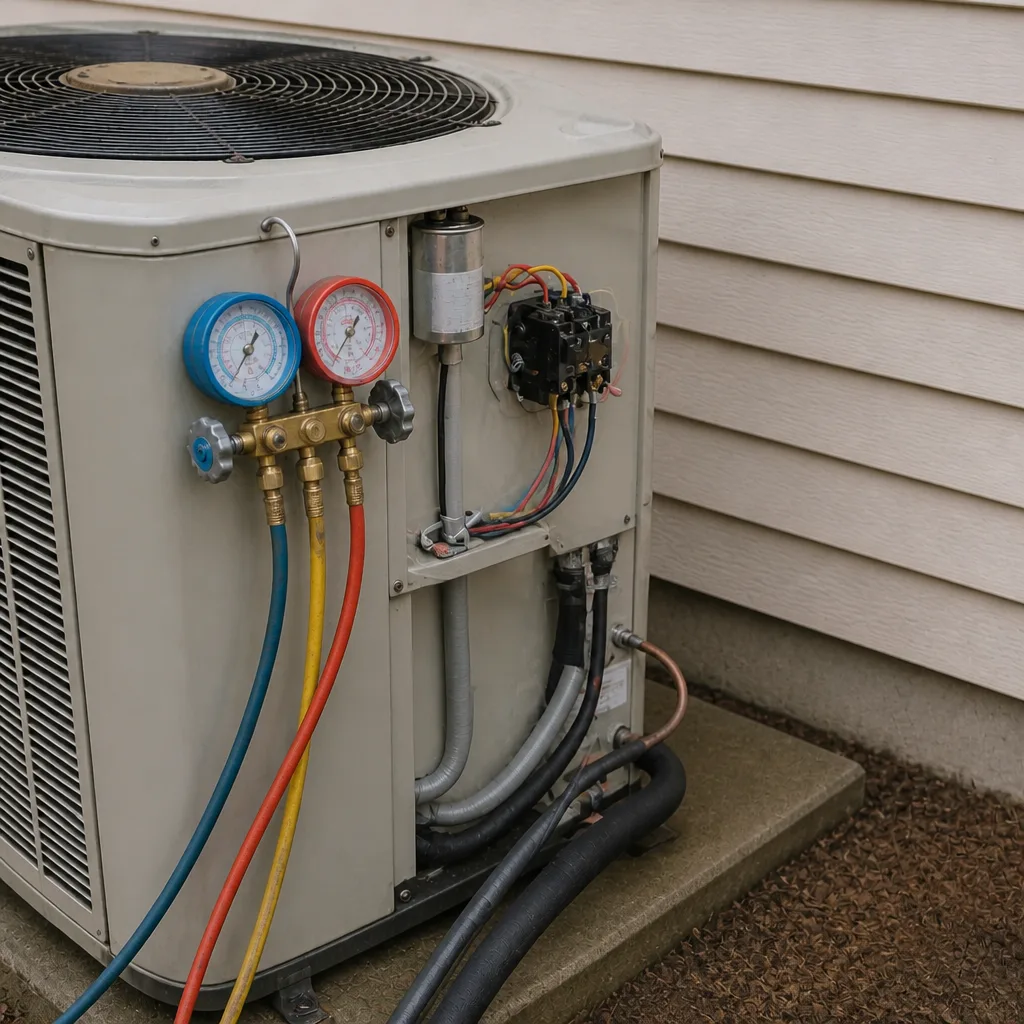
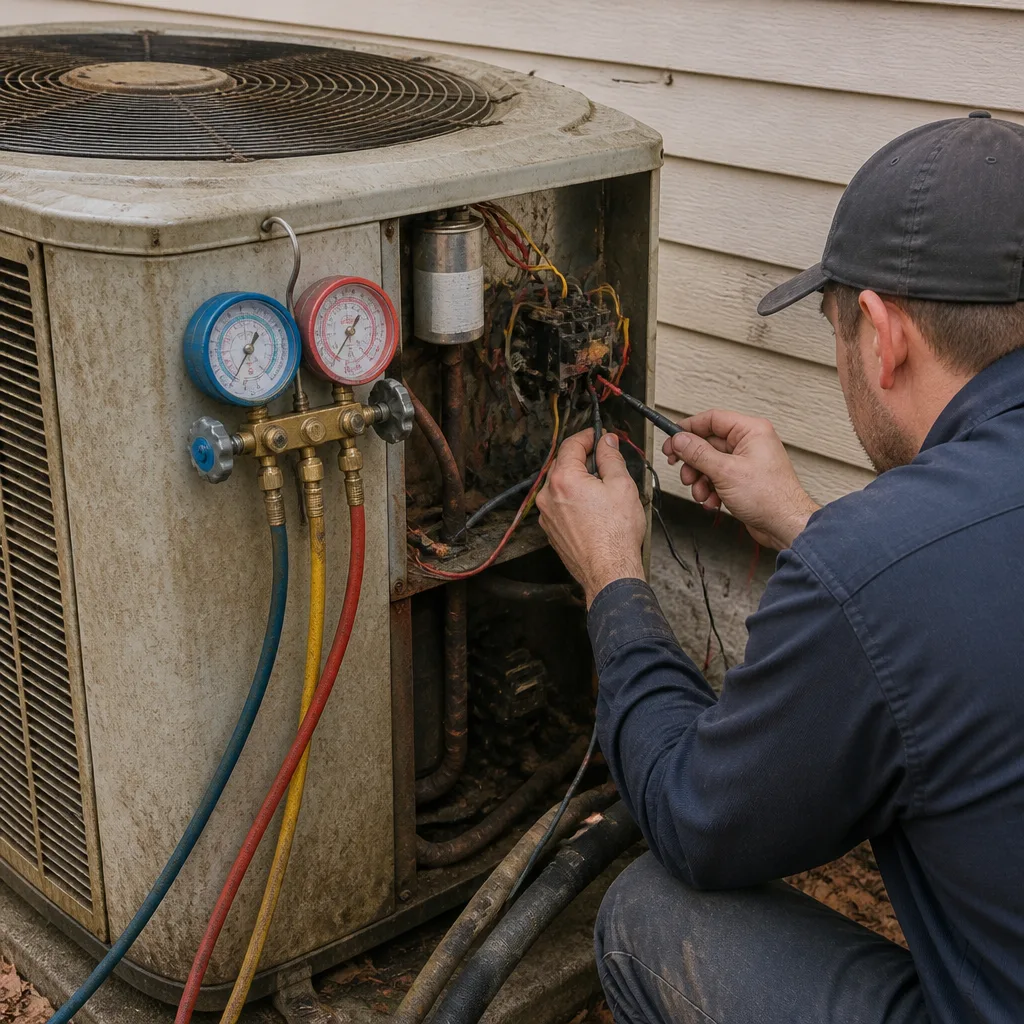 Before
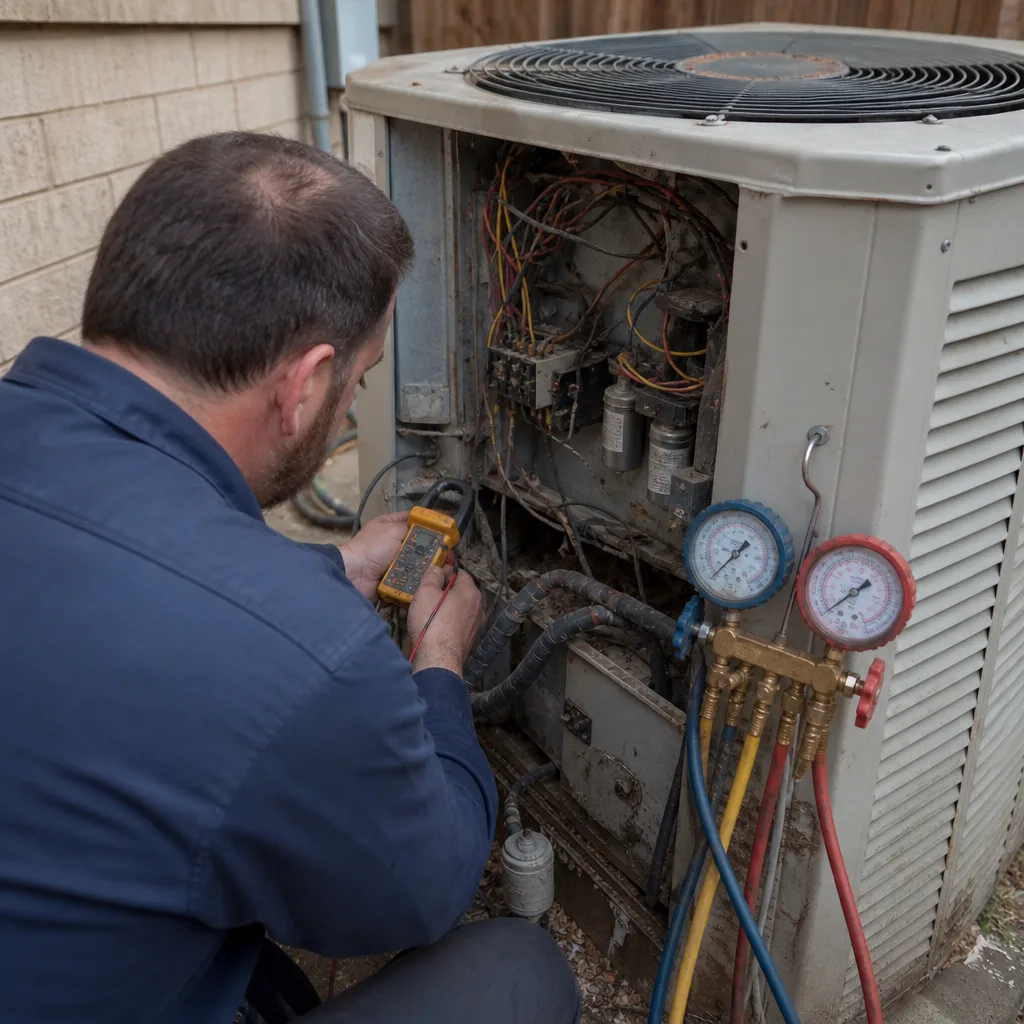
 After
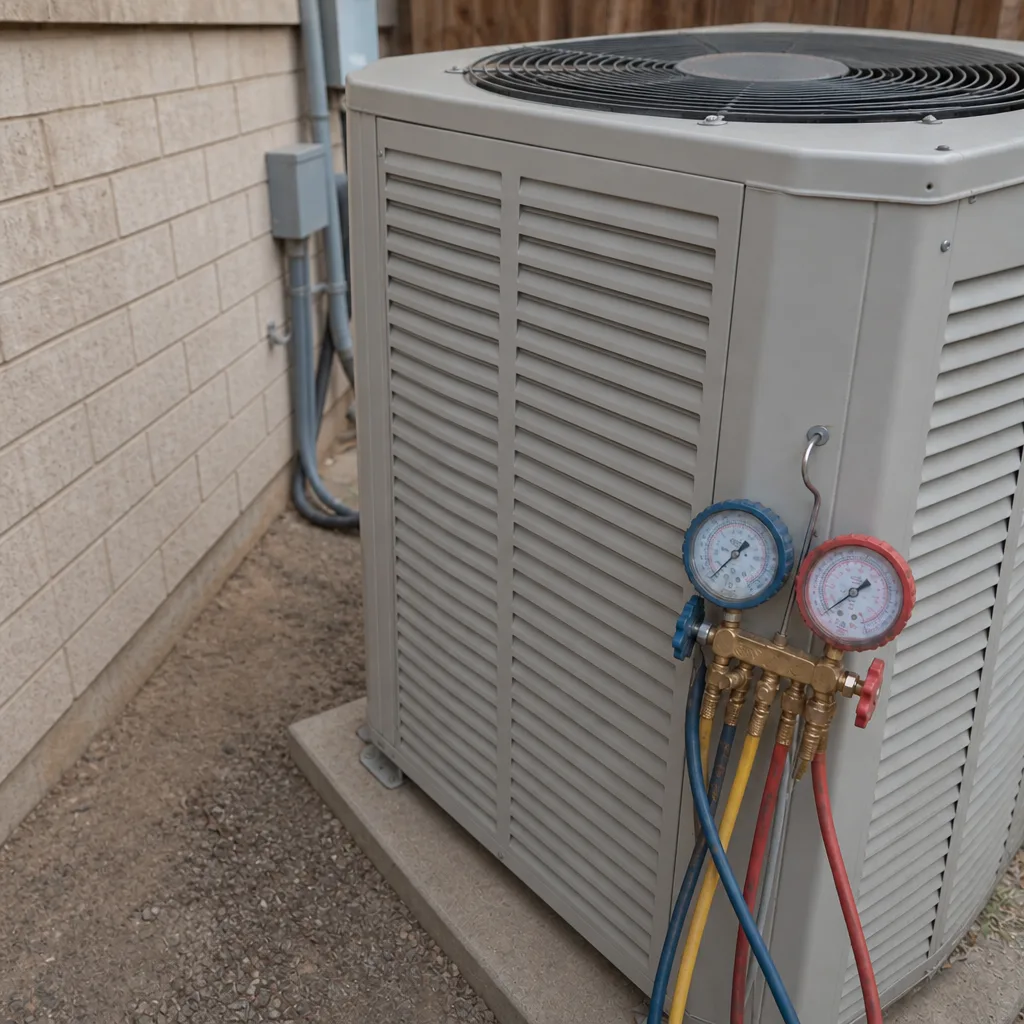
 Before
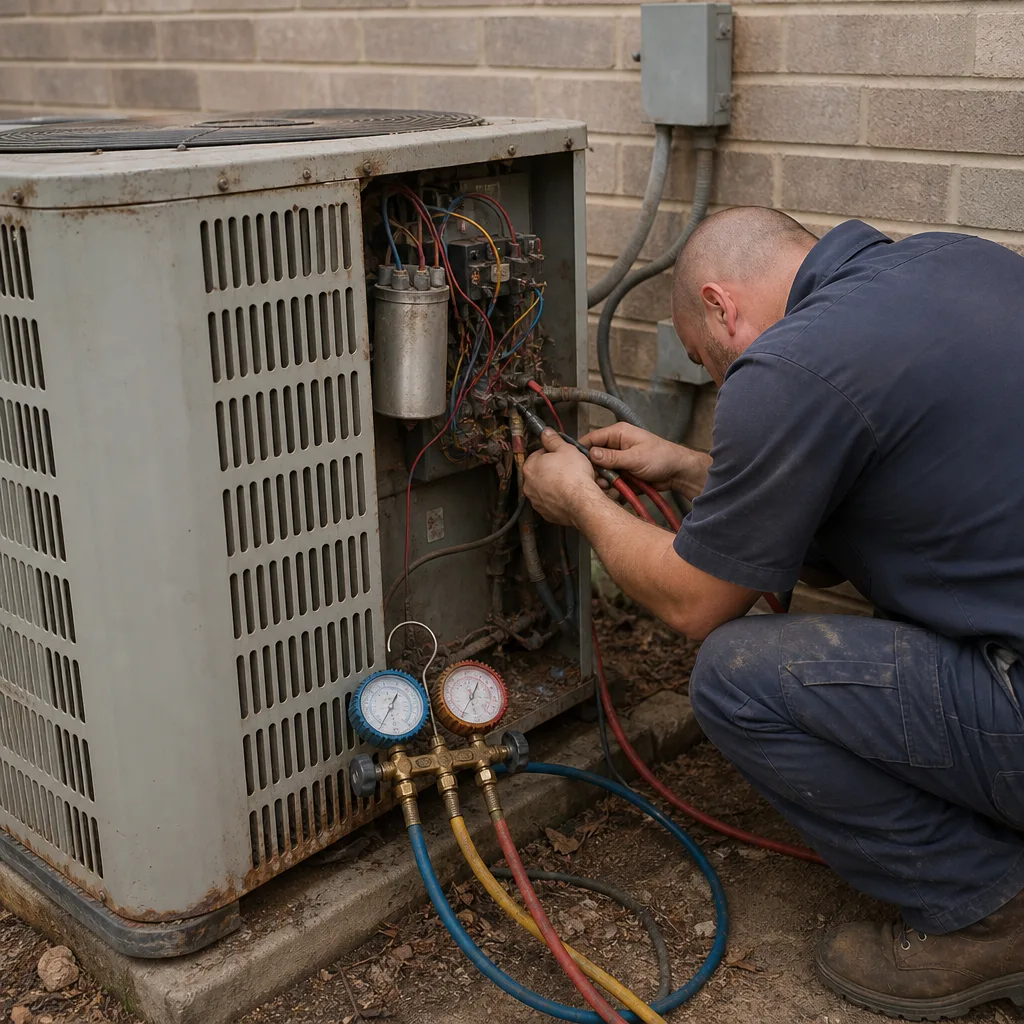
 After
 Before
 After
When to Call a Professional
Call when your system stops cooling or heating, when a breaker trips repeatedly, when you smell burning or gas, or when the unit runs continuously without reaching setpoint. Call before summer peaks if your system is above the age you expected and you’re weighing replacement. Call when you receive a quote and want a second read on the scope. Refrigerant handling and electrical work on HVAC equipment are not jobs to take on yourself; the equipment handles both, and both can hurt you if done wrong. We work on your brand, whether it’s a Daikin or a Bryant or something else entirely, and our technicians have up to 15 years of experience. Benchmark AC Repair offers free estimates in Plano. Call (833) 488-8546. We answer 24/7. Fast dispatch from 7am to 7pm, Sunday through Friday.
Frequently Asked Questions
A typical AC and furnace replacement in Plano lands roughly between $8,000 and $18,000, depending on size, efficiency tier, and how much duct or electrical work your home needs. The lower end usually means a straightforward swap with existing ducts in good shape; the upper end usually means new ductwork, panel changes, or a difficult attic. Call (833) 488-8546 for a free estimate; the written quote sets the final price.
The difference usually comes down to scope, not equipment. One quote may include duct sealing, a permit, and electrical work while the other leaves them out, and labor prices vary with attic access. Compare the line items rather than the totals. If a quote is dramatically lower, ask what it excludes.
Repair usually makes sense when the system is younger and the failure is a single component; replace when the system is at the end of its expected life and the repair cost approaches a meaningful share of a new install. In Plano’s summers, a system that can’t keep up even after a repair is often telling you it’s finished. Call (833) 488-8546 and we’ll give you an honest read on the equipment.
Rebates exist through utility efficiency programs, and eligibility depends on the efficiency tier of the equipment you install and when the paperwork is filed. Some require pre-approval. Confirm current terms with the utility before you sign anything. Call us and we can help you line up the requirements before installation.
We’re equipped to work on equipment from Carrier, Trane, Lennox, Goodman, Rheem, York, Daikin, Bryant, and American Standard, and to recommend any of them based on what fits your home. We don’t push one brand because there’s no reason to; the right system depends on your ducts, load, and budget. Call (833) 488-8546 to talk options.
A straightforward residential replacement is typically a one-day job for a crew, with some larger installs running into a second day when ductwork or electrical scope is bigger than expected. Installing is not a same-day walk-in job, so plan to schedule. Your written estimate will include a set install date.
We work on your brand whether or not you bought it from us. That includes repair as well as AC installation, so you’re not hunting for a specialist just because your furnace says Rheem or your condenser says Bryant. Our technicians have up to 15 years of experience across these systems.
The Bottom Line
HVAC pricing in Plano is a scope question, not a brand question. Wildly different quotes on similar homes are usually explained by attic access, duct condition, electrical capacity, and whether the contractor actually loaded the numbers or just guessed at tonnage. SEER2 raised the equipment floor in 2023, so 2026 replacement pricing reflects a stricter minimum than a quote from years past. Buyers who can read a line-item quote, check model numbers, plan rebates before installation, and confirm what’s included will land on the right system at a fair price. That’s what a real Benchmark AC Repair standard looks like: precision over promises, whatever system you have.
Your Next Step
When a quote is on the table, call (833) 488-8546 for a free estimate. We answer 24/7. Fast dispatch from 7am to 7pm, Sunday through Friday. If you’re comparing installers in Plano or setting up a AC repair call, we’ll walk you through what’s included, what isn’t, and what the written estimate actually covers.
Written by the team at Benchmark AC Repair.